

The Rise of Coworking Spaces in the Atlanta Tech Corridor
The Atlanta Tech Corridor has emerged as one of the most vibrant and innovative areas for startups and established businesses alike. With its unique blend of modern private offices, collaborative workspaces, and supportive ecosystems, this region is redefining how we think about work. In this article, we will explore the rise of coworking spaces in the Atlanta Tech Corridor, examining their impact on the local business landscape, the benefits they offer to professionals, and how they have become a catalyst for innovation and collaboration.
The Evolution of Coworking Spaces
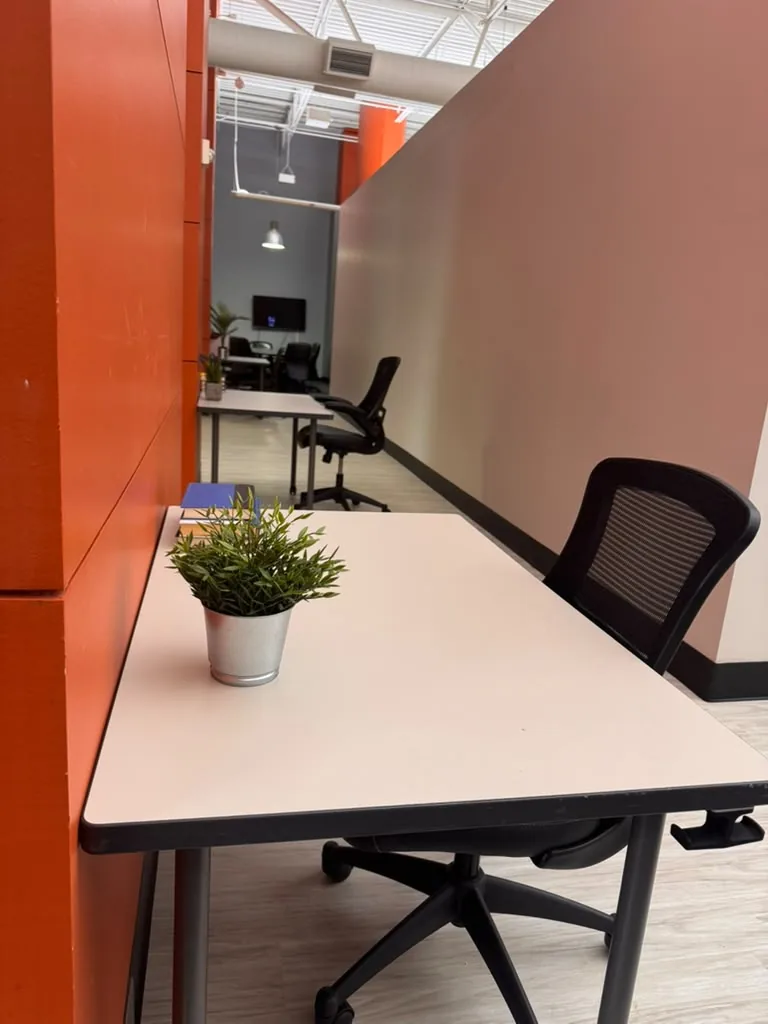
Coworking spaces have transformed the traditional office environment. Initially, these shared spaces catered to freelancers and remote workers seeking a productive atmosphere. However, over the years, they have evolved to accommodate businesses of all sizes, from startups to established enterprises. The rise of technology and the gig economy has played a significant role in this shift.
What is a Coworking Space?
A coworking space is a shared office environment where individuals from various companies and industries work together. Unlike traditional offices, coworking spaces typically offer flexible membership plans, allowing users to pay for only the space and amenities they need. This flexibility is particularly appealing to startups and small businesses that may not have the resources to maintain a dedicated office.
The Atlanta Tech Corridor: A Hub for Innovation
The Atlanta Tech Corridor encompasses a range of neighborhoods, including Midtown, Downtown, and Buckhead. Known for its thriving tech scene, the corridor is home to numerous startups, tech giants, and creative agencies. The growth of coworking spaces in this area has been a natural response to the increasing demand for flexible work environments.
Key Factors Driving the Growth of Coworking Spaces
Several factors contribute to the rise of coworking spaces in the Atlanta Tech Corridor:
- The Gig Economy: As more professionals embrace freelance work and entrepreneurship, the need for adaptable workspaces has surged.
- Networking Opportunities: Coworking spaces foster collaboration and networking, allowing professionals to connect and share ideas.
- Cost-Effectiveness: Renting a traditional office can be prohibitively expensive for emerging businesses. Coworking spaces provide a more affordable alternative.
- Modern Amenities: Most coworking spaces are equipped with advanced technology and facilities that enhance productivity.
- Community Support: Many coworking spaces offer events and workshops that promote skill development and business growth.
The Benefits of Coworking Spaces
Coworking spaces offer a wide range of benefits for individuals and businesses. Here are some of the most notable advantages:
1. Flexibility
One of the primary advantages of coworking spaces is flexibility. Members can choose from various plans, whether they need a dedicated desk, a private office, or just occasional access to a hot desk. This adaptability allows businesses to scale up or down based on their needs.
2. Networking and Collaboration
Coworking spaces are designed to encourage interaction among members. This collaborative environment often leads to partnerships, mentorships, and new business opportunities. Networking events and social gatherings hosted by these spaces further facilitate connections.
3. Access to Resources
Many coworking spaces provide access to resources that might be out of reach for individual startups. From professional podcast and video production studios to enterprise-grade technology infrastructure, members can leverage these resources to enhance their business.
4. Enhanced Productivity
Working in a coworking space can boost productivity. The professional atmosphere, combined with the presence of like-minded individuals, creates a motivating environment that encourages focus and creativity.
5. Cost Savings
For startups and small businesses, coworking spaces offer significant cost savings. By sharing resources and splitting overhead costs, companies can allocate their budgets more effectively, investing in growth rather than fixed expenses.
Success Stories from the Atlanta Tech Corridor
The Atlanta Tech Corridor boasts numerous success stories of businesses that have thrived in coworking spaces. From tech startups to creative agencies, these companies have leveraged the collaborative environment to achieve remarkable growth.
Case Study: A Local Startup’s Journey
Consider the example of a tech startup that began in a coworking space in Midtown Atlanta. With access to mentorship programs and networking events, the founders were able to connect with investors and other entrepreneurs. Within two years, they secured funding and expanded their team, all while maintaining a presence in the coworking space that supported their growth.
The Future of Coworking Spaces in Atlanta
The future of coworking spaces in the Atlanta Tech Corridor looks bright. As the demand for flexible work environments continues to grow, more companies are likely to embrace this model. Additionally, the rise of remote work and the gig economy will further fuel this trend.
Innovations on the Horizon
We can expect to see innovations in coworking spaces, including enhanced technology integration, better amenities, and even more specialized environments catering to specific industries. These advancements will continue to attract a diverse range of professionals and businesses.
Conclusion
The rise of coworking spaces in the Atlanta Tech Corridor has transformed the local business landscape. By providing flexible, collaborative, and resource-rich environments, these spaces have become essential for startups and professionals seeking to thrive in a competitive market. As the demand for such workspaces continues to grow, the Atlanta Tech Corridor will remain at the forefront of innovation and entrepreneurship.
FAQs
1. What types of businesses benefit from coworking spaces?
Coworking spaces are beneficial for freelancers, startups, small businesses, and even remote teams from larger corporations seeking flexible work environments.
2. How do coworking spaces differ from traditional offices?
Coworking spaces offer flexible membership plans, shared resources, and a collaborative environment, while traditional offices typically involve long-term leases and dedicated spaces.
3. Are coworking spaces suitable for networking?
Yes, coworking spaces provide excellent networking opportunities through events, workshops, and the presence of diverse professionals.
4. How can I find a coworking space in Atlanta?
You can search online for coworking spaces in Atlanta, read reviews, and visit potential locations to find the best fit for your needs.
5. What amenities are typically offered in coworking spaces?
Common amenities include high-speed internet, meeting rooms, event spaces, kitchen facilities, and access to professional production studios.
6. Can I scale my business while using a coworking space?
Yes, coworking spaces offer flexible plans that allow businesses to scale as needed without the burden of a long-term lease.
7. What is the cost of renting a coworking space?
Costs vary depending on the location, amenities, and membership plan. Generally, coworking spaces offer competitive pricing compared to traditional office rentals.
8. Are coworking spaces safe for remote work?
Yes, coworking spaces implement safety measures and provide a professional environment that is conducive to remote work.
9. Can I host events at a coworking space?
Many coworking spaces offer event hosting capabilities, providing the perfect venue for workshops, networking events, and meetups.
10. How can coworking spaces support content creation?
Many coworking spaces provide access to professional podcast and video production studios, enabling members to create high-quality content.
