
How Startups Use Coworking Spaces to Scale Faster
In the fast-paced world of entrepreneurship, startups are constantly seeking innovative ways to grow and scale their businesses. One of the most effective strategies that have emerged in recent years is the use of coworking spaces. These collaborative environments not only provide essential resources but also foster a sense of community and support that can significantly accelerate a startup’s growth. In this article, we will explore how startups leverage coworking spaces to scale faster, examining the various advantages these environments offer and how they contribute to a startup’s success.
The Rise of Coworking Spaces
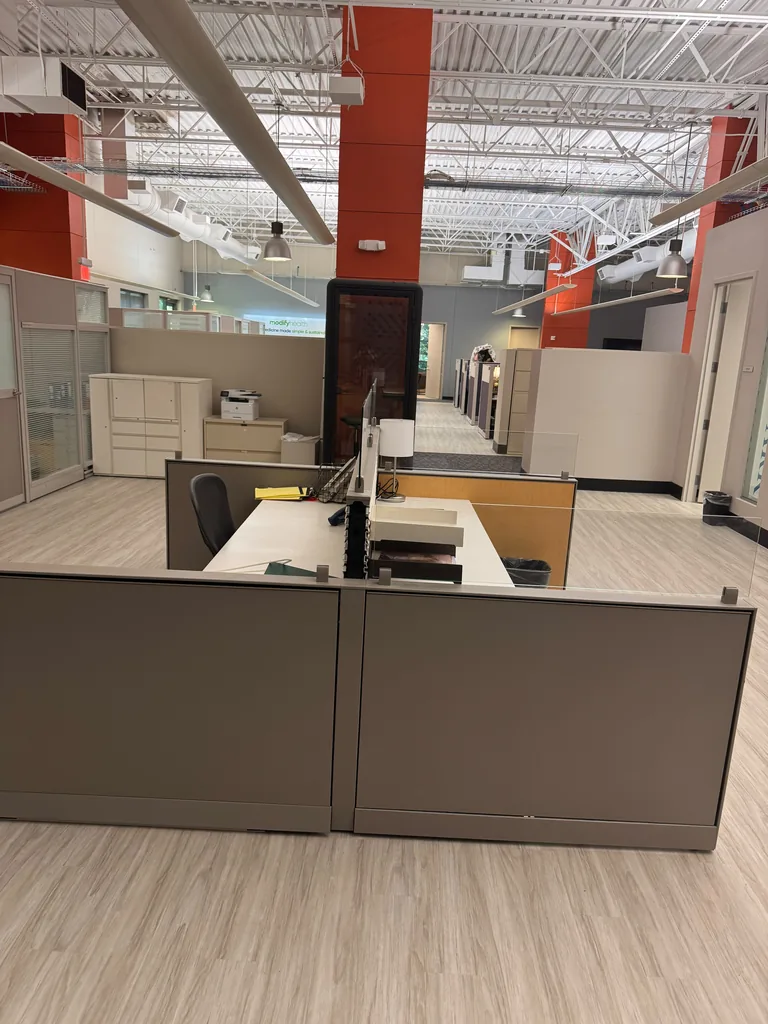
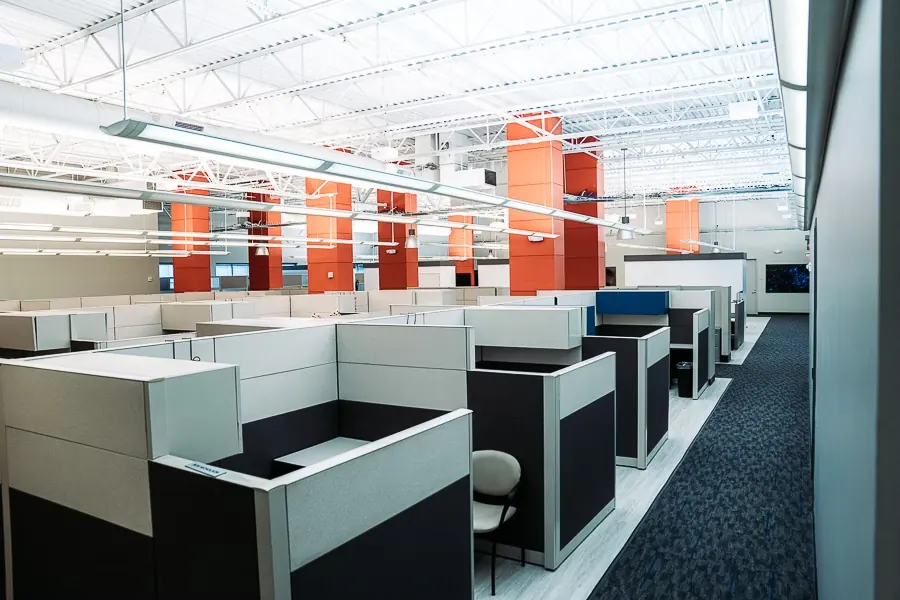
Coworking spaces have transformed the traditional office landscape, offering flexible workspace solutions that cater to a diverse range of professionals, from freelancers to established companies. The concept gained traction in the early 2000s, but it surged in popularity with the rise of the gig economy and the increasing number of startups. Today, coworking spaces are found in cities around the world, providing vibrant environments that foster collaboration and creativity.
Benefits of Coworking Spaces for Startups
1. Cost-Effectiveness
One of the primary reasons startups opt for coworking spaces is cost savings. Traditional office leases often require significant upfront investments, including deposits and long-term commitments. In contrast, coworking spaces typically offer flexible membership plans that allow startups to pay only for the space and resources they need. This financial flexibility enables startups to allocate their budgets more effectively, focusing on growth activities rather than overhead costs.
2. Access to Modern Amenities
Coworking spaces are equipped with modern amenities that are crucial for startups. High-speed internet, meeting rooms, printing services, and kitchen facilities are often included in the membership fee. Additionally, many coworking spaces provide enterprise-grade technology infrastructure, which allows startups to operate efficiently without the burden of maintaining their own IT systems.
3. Networking Opportunities
One of the most valuable aspects of coworking spaces is the networking opportunities they provide. Startups are surrounded by like-minded entrepreneurs, potential collaborators, and industry experts. This environment encourages knowledge sharing and collaboration, leading to partnerships that can propel startups forward. Regular networking events and workshops hosted by coworking spaces further enhance these opportunities, allowing startups to connect with investors and mentors.
4. Community Support
The sense of community within coworking spaces is a significant advantage for startups. The collaborative atmosphere fosters camaraderie and support among members, which can be especially beneficial for entrepreneurs facing the challenges of building a business. Many coworking spaces offer programs and events focused on personal and professional development, providing startups with the resources they need to thrive.
5. Flexibility and Scalability
Startups often face fluctuating demands as they grow. Coworking spaces offer the flexibility to scale up or down based on the startup’s needs. Whether a startup needs to expand its team, host an event, or downsize, coworking spaces can accommodate these changes without the constraints of a traditional lease. This adaptability is crucial for startups navigating the uncertainties of the market.
How Startups Use Coworking Spaces to Scale
1. Building a Professional Presence
When startups first launch, establishing a professional image can be challenging, especially for remote teams. Coworking spaces provide a credible address and a professional environment that enhances a startup’s reputation. Meeting clients and partners in a well-equipped coworking space can make a positive impression and instill confidence in the startup’s capabilities.
2. Facilitating Collaboration
Collaboration is at the heart of innovation. Coworking spaces encourage teamwork by providing shared areas and resources where startups can brainstorm ideas and work on projects together. By collaborating with other entrepreneurs, startups can tap into diverse skill sets and perspectives, leading to more creative solutions and faster problem-solving.
3. Hosting Events and Workshops
Coworking spaces often host events, workshops, and seminars that are beneficial for startups. These gatherings provide opportunities for startups to showcase their products, gain exposure, and receive feedback from potential customers and industry experts. Furthermore, participating in these events allows startups to build their networks and connect with potential investors.
4. Access to Talent
Finding the right talent is crucial for a startup’s success. Coworking spaces attract a diverse group of professionals, including freelancers and remote workers, who may be open to collaboration or employment opportunities. Startups can easily connect with skilled individuals who can contribute to their projects, helping them to build a strong team without the constraints of traditional hiring processes.
5. Innovation and Creativity
The dynamic environment of coworking spaces fosters creativity and innovation. Startups benefit from being surrounded by other entrepreneurs who are passionate about their work. This atmosphere can inspire new ideas and approaches, helping startups to stay ahead of the competition. Many coworking spaces also incorporate design elements that enhance creativity, such as open layouts, artistic decor, and comfortable communal areas.
Choosing the Right Coworking Space
While the benefits of coworking spaces are clear, choosing the right one is essential for a startup’s success. Startups should consider several factors when selecting a coworking space:
1. Location
The location of the coworking space can significantly impact a startup’s accessibility and visibility. A central location with good transport links can attract clients and talent, making it easier for startups to establish their presence.
2. Community and Culture
Each coworking space has its unique community and culture. Startups should choose a space that aligns with their values and goals. A supportive and collaborative culture can enhance the overall experience and contribute to the startup’s growth.
3. Amenities and Resources
Startups should evaluate the amenities and resources offered by a coworking space. Access to meeting rooms, event spaces, and technology infrastructure can greatly affect a startup’s operations. It’s essential to ensure that the coworking space provides the necessary tools for success.
4. Membership Flexibility
As startups grow, their workspace needs may change. A coworking space that offers flexible membership plans can accommodate these changes, allowing startups to scale their operations without the hassle of a long-term commitment.
Conclusion
Coworking spaces have emerged as a vital tool for startups looking to scale faster in today’s competitive landscape. By providing cost-effective solutions, modern amenities, networking opportunities, and a supportive community, coworking spaces empower startups to focus on growth and innovation. As the startup ecosystem continues to evolve, the role of coworking spaces will undoubtedly remain significant, offering entrepreneurs the resources and environment they need to succeed.
Frequently Asked Questions (FAQ)
1. What is a coworking space?
A coworking space is a shared workspace where individuals or teams from different companies can work independently or collaboratively in a flexible and professional environment.
2. How do coworking spaces help startups save money?
Coworking spaces offer flexible membership plans that eliminate the need for long-term office leases and associated costs, allowing startups to focus their budgets on growth activities.
3. Can startups host events in coworking spaces?
Yes, many coworking spaces offer event spaces and regularly host workshops and networking events that startups can participate in or host.
4. What amenities do coworking spaces typically provide?
Coworking spaces usually provide high-speed internet, meeting rooms, printing services, kitchen facilities, and access to enterprise-grade technology infrastructure.
5. Are coworking spaces suitable for all types of businesses?
While coworking spaces are particularly popular among startups and freelancers, they can accommodate a wide range of businesses, including remote teams and small enterprises.
6. How can startups benefit from networking in coworking spaces?
Networking in coworking spaces allows startups to connect with potential collaborators, mentors, and investors, leading to valuable partnerships and growth opportunities.
7. What should startups consider when choosing a coworking space?
Startups should consider factors such as location, community culture, amenities, and flexibility of membership plans when choosing a coworking space.
8. Can coworking spaces help startups find talent?
Yes, coworking spaces attract a diverse group of professionals, making it easier for startups to connect with skilled individuals for collaboration or employment.