Startup Office Space vs Traditional Office Leasing: Which is Right for Your Business?
In today’s dynamic business environment, entrepreneurs and startups face crucial decisions regarding their workspace. Choosing between startup office space and traditional office leasing can significantly impact your business’s growth, culture, and operational efficiency. This article explores the key differences, benefits, and considerations of both options, helping you make an informed decision that aligns with your company’s goals.
Understanding Startup Office Space
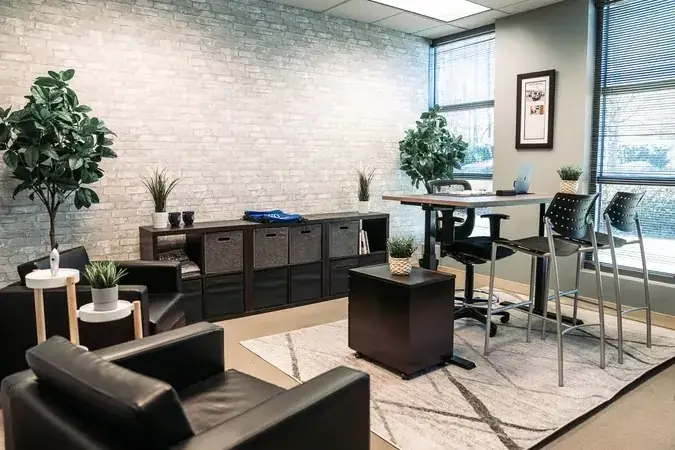
Startup office spaces, often referred to as coworking spaces or flexible workspaces, cater specifically to the needs of emerging businesses. These environments are designed to foster collaboration, creativity, and innovation, making them ideal for startups looking to establish themselves in a competitive market.
Key Features of Startup Office Space
- Flexible Membership Plans: Startup office spaces typically offer flexible membership options, allowing businesses to choose from hot desks, dedicated desks, or private offices based on their specific needs. This flexibility is especially beneficial for startups with fluctuating team sizes.
- Community and Networking: One of the standout features of startup office spaces is the vibrant community they cultivate. Entrepreneurs can benefit from networking events, workshops, and collaborative opportunities with like-minded individuals.
- Modern Amenities: Most startup office spaces come equipped with enterprise-grade technology infrastructure, including high-speed internet, meeting rooms, and professional-grade podcast and video production studios.
- Cost-Effectiveness: For startups, managing costs is crucial. Startup office spaces often provide an economical solution, eliminating the need for long-term lease commitments and reducing overhead expenses.
The Case for Traditional Office Leasing
On the other hand, traditional office leasing refers to securing a dedicated office space under a long-term contract. This option is often favored by established businesses looking for stability and control over their work environment.
Key Features of Traditional Office Leasing
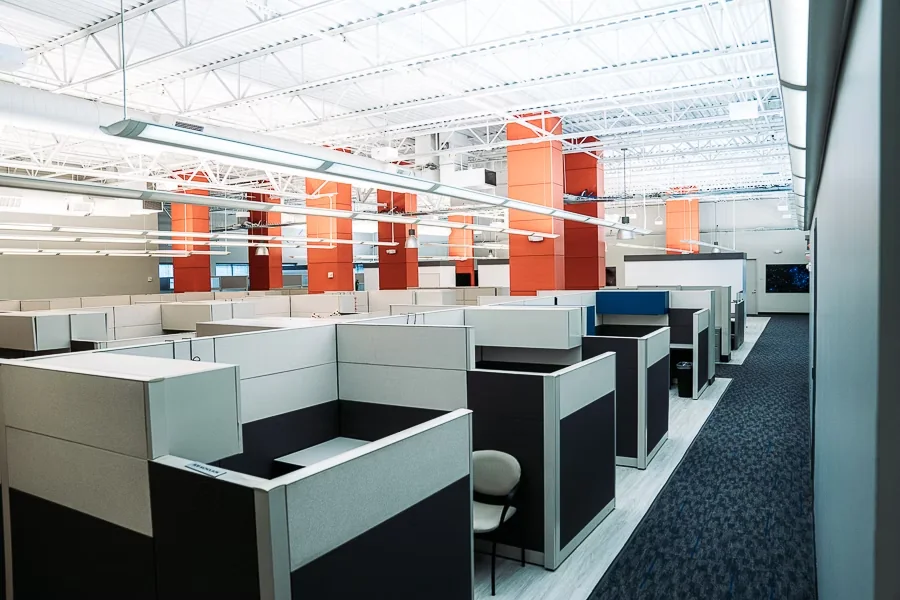
- Dedicated Space: Traditional office leasing provides a dedicated workspace that can be customized to reflect the company’s brand and culture. This control over the environment can lead to increased employee satisfaction and productivity.
- Long-Term Stability: Securing a long-term lease provides businesses with stability and predictability in terms of costs, allowing for better budget planning.
- Privacy and Security: Traditional office spaces offer a higher level of privacy and security, which can be crucial for businesses dealing with sensitive information.
- Established Reputation: Having a physical office in a prime location can enhance a company’s reputation and credibility, especially in industries where face-to-face interactions are critical.
Comparing Startup Office Space and Traditional Office Leasing
When choosing between startup office space and traditional office leasing, consider the following factors:
1. Cost
Startup office spaces typically have lower upfront costs, with no long-term commitments. In contrast, traditional office leasing requires significant upfront investment and longer lease terms, which may not be feasible for startups with limited budgets.
2. Flexibility
Flexibility is a major advantage of startup office spaces. Startups can scale up or down as needed without facing penalties for breaking a lease. Traditional leases, on the other hand, can lock businesses into long-term commitments, making it challenging to adapt to changing circumstances.
3. Community and Collaboration
Startup office spaces foster a collaborative environment, encouraging networking and sharing of ideas. This community aspect can be invaluable for startups looking to build connections, gain insights, and find potential partners. Traditional offices may lack this collaborative energy, focusing instead on individual company cultures.
4. Amenities and Services
Startup office spaces often come equipped with modern amenities, such as high-speed internet, meeting rooms, and production facilities, which can be costly for traditional offices to implement. Startups can leverage these resources without the burden of additional expenses.
5. Company Culture
The choice between startup office space and traditional leasing can significantly influence company culture. Startup spaces promote a dynamic, open atmosphere, while traditional offices may lean towards a more formal structure. Understanding your desired company culture is essential when making a decision.
When to Choose Startup Office Space
If your business is in its infancy, seeking flexibility, and aiming to scale quickly, a startup office space might be the right choice. Additionally, if you value networking opportunities and a collaborative environment, this option can provide substantial benefits.
When to Opt for Traditional Office Leasing
Conversely, if your business is established, requires a dedicated space, and values long-term stability, traditional office leasing may be the better route. This option is also advisable if your operations involve sensitive information that requires enhanced privacy and security.
Conclusion
Ultimately, the choice between startup office space and traditional office leasing depends on your business needs, growth trajectory, and company culture. By weighing the pros and cons of each option, you can make an informed decision that supports your startup’s journey. At World Park, we provide modern private offices and coworking environments tailored for startups, along with professional podcast and video production studios. Reach out to us at +1 770-369-9321 to learn more about our flexible membership and workspace plans.
FAQs
1. What is a startup office space?
A startup office space, often known as a coworking space, is a flexible workspace designed to accommodate the needs of startups and entrepreneurs.
2. What are the benefits of coworking spaces?
Benefits include flexibility, cost-effectiveness, community networking, and access to modern amenities.
3. How long are traditional office leases?
Traditional office leases typically range from one to five years, sometimes longer, depending on the agreement.
4. Can startups benefit from traditional office leasing?
Yes, if they require stability, privacy, and a dedicated space for their operations.
5. Are startup office spaces more expensive than traditional offices?
Generally, startup office spaces are more cost-effective due to their flexible plans and lack of long-term commitments.
6. How do I choose between the two options?
Consider factors such as budget, company culture, growth plans, and the level of privacy required.
7. Do startup office spaces offer meeting rooms?
Yes, most startup office spaces provide access to meeting rooms and other essential amenities.
8. What type of businesses can benefit from startup office spaces?
Startups, freelancers, and small businesses seeking flexible work environments can all benefit.
9. How can I find a suitable startup office space?
Research coworking spaces in your area, visit potential locations, and evaluate their amenities and community offerings.
10. What should I look for in a traditional office lease?
Consider factors such as location, lease terms, customization options, and overall costs before signing a lease.