
The Rise of Startup Campuses in the US: A New Era of Innovation and Collaboration
In recent years, the landscape of entrepreneurship in the United States has undergone a significant transformation. The traditional office setting is being replaced by dynamic, collaborative environments known as startup campuses. These innovative spaces are designed to foster creativity, collaboration, and growth among startups and entrepreneurs. In this article, we will explore the rise of startup campuses in the US, their benefits, and the impact they have on the entrepreneurial ecosystem.
What is a Startup Campus?
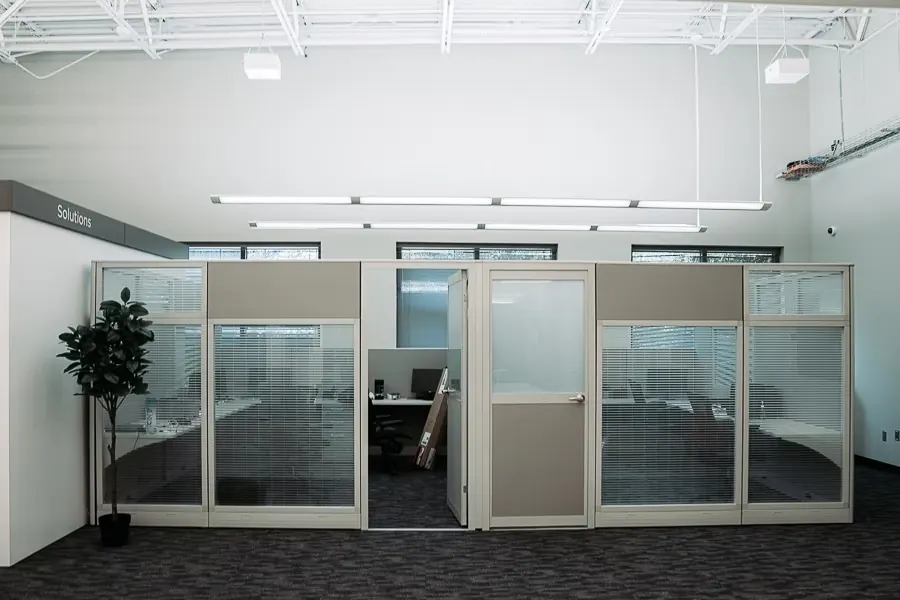
A startup campus is a dedicated space or community that provides resources, infrastructure, and support for startups and entrepreneurs. These campuses typically offer modern private offices, coworking areas, meeting rooms, and access to essential amenities such as high-speed internet and enterprise-grade technology infrastructure. In addition, startup campuses often host networking events, workshops, and mentorship programs to support the growth of new businesses.
The Evolution of Workspaces
The traditional office model has been challenged by advancements in technology, changes in work culture, and the increasing demand for flexibility. As remote work becomes more prevalent, entrepreneurs are seeking environments that encourage collaboration and creativity. Startup campuses have emerged as a solution, offering a mix of private office space and coworking areas that cater to the needs of modern businesses.
The Benefits of Startup Campuses
Startup campuses provide numerous advantages for entrepreneurs and startups. Here are some key benefits:
1. Networking Opportunities
One of the most significant advantages of startup campuses is the opportunity to connect with other entrepreneurs, investors, and industry professionals. These spaces foster a collaborative environment where individuals can share ideas, resources, and experiences. Networking events, workshops, and meetups are commonly organized within startup campuses, providing further opportunities to build valuable connections.
2. Access to Resources
Startup campuses often provide access to essential resources that are crucial for business growth. This includes high-speed internet, office equipment, meeting rooms, and even professional podcast and video production studios. Such amenities allow startups to focus on their core business activities without the burden of managing a physical office.
3. Flexible Membership Plans
Many startup campuses offer flexible membership options that cater to different business needs. Entrepreneurs can choose from hot desks, dedicated desks, or private office spaces based on their requirements. This flexibility allows startups to scale their operations as needed without the long-term commitments associated with traditional leases.
4. Supportive Community
Startup campuses foster a sense of community among entrepreneurs. This collaborative environment encourages sharing knowledge, experiences, and resources, which can significantly accelerate the growth of startups. Many campuses also provide mentorship programs and access to industry experts, further enhancing the support available to entrepreneurs.
The Impact on the Entrepreneurial Ecosystem
The rise of startup campuses has had a profound impact on the entrepreneurial ecosystem in the US. Here are some of the ways they are shaping the future of entrepreneurship:
1. Promoting Innovation
Startup campuses are often hubs of innovation, bringing together diverse talent from various industries. This convergence of ideas and skills fosters creativity and encourages the development of new products and services. As startups collaborate and share insights, they contribute to a culture of innovation that drives economic growth.
2. Supporting Economic Development
Startup campuses play a crucial role in local economic development by creating jobs and attracting investment. As startups grow and succeed, they contribute to the overall economy by generating revenue and creating employment opportunities. Additionally, many campuses partner with local governments and organizations to support workforce development initiatives.
3. Enhancing Access to Funding
Many startup campuses host events that connect entrepreneurs with potential investors. By providing a platform for startups to pitch their ideas and showcase their products, these campuses enhance access to funding opportunities. This is particularly important for early-stage startups that may struggle to secure financing through traditional means.
Examples of Successful Startup Campuses
Several cities in the US have embraced the concept of startup campuses, leading to the establishment of vibrant entrepreneurial communities. Here are a few notable examples:
1. Silicon Valley
Silicon Valley remains the most iconic startup ecosystem in the world. With numerous startup campuses, such as WeWork and Plug and Play Tech Center, this region offers unparalleled access to resources, networking, and funding opportunities.
2. Austin, Texas
Austin has emerged as a flourishing hub for startups, boasting a variety of coworking spaces and startup campuses. Spaces like Capital Factory and The Domain provide entrepreneurs with the support they need to thrive in a competitive market.
3. New York City
New York City is home to several startup campuses, including WeWork and Alley, which offer a vibrant community for entrepreneurs. With its diverse talent pool and access to funding, NYC continues to attract startups from various industries.
Challenges Faced by Startup Campuses
While startup campuses offer numerous benefits, they also face challenges that need to be addressed:
1. Competition
As more startup campuses emerge, competition for members and resources increases. Campuses must differentiate themselves by offering unique amenities, support services, and networking opportunities to attract entrepreneurs.
2. Sustainability
Startup campuses must find ways to maintain profitability while keeping membership costs affordable for startups. This requires a careful balance between providing valuable services and managing operational expenses.
3. Adapting to Changing Needs
The needs of startups are constantly evolving, and campus operators must remain agile to accommodate these changes. This may involve updating facilities, expanding services, or adjusting membership plans to meet the demands of their community.
Conclusion
The rise of startup campuses in the US represents a significant shift in the entrepreneurial landscape. By providing modern private offices, coworking environments, and access to essential resources, these campuses are fostering innovation, collaboration, and growth among startups. As the demand for flexible and supportive workspaces continues to grow, startup campuses will play an increasingly vital role in shaping the future of entrepreneurship. Whether you are a budding entrepreneur or an established business, exploring the benefits of a startup campus could be the key to unlocking your full potential.
Frequently Asked Questions (FAQ)
1. What is a startup campus?
A startup campus is a dedicated space that provides resources, infrastructure, and support for startups and entrepreneurs, including offices, coworking areas, and networking events.
2. What are the benefits of joining a startup campus?
Benefits include networking opportunities, access to resources, flexible membership plans, and a supportive community.
3. How do startup campuses promote innovation?
By bringing together diverse talent and fostering collaboration, startup campuses create an environment that encourages creativity and the development of new ideas.
4. What challenges do startup campuses face?
Challenges include competition, sustainability, and the need to adapt to changing needs of startups.
5. Where are some notable startup campuses located?
Notable startup campuses can be found in Silicon Valley, Austin, and New York City, among other locations.
6. How can startup campuses support economic development?
Startup campuses create jobs, attract investment, and contribute to local economies through the success of their member businesses.
7. What types of membership plans do startup campuses offer?
Membership plans can include hot desks, dedicated desks, and private offices, allowing startups to choose based on their needs.
8. How can I find a startup campus near me?
You can search online for startup campuses or coworking spaces in your area, or check local entrepreneurial resources for recommendations.