
Remote Work in 2026: Why Coworking Spaces Are Making a Comeback
The landscape of work has dramatically changed over the past few years, primarily due to advancements in technology and the global shift towards remote work. As we approach 2026, it becomes increasingly clear that coworking spaces are not only surviving but thriving in this new environment. In this article, we’ll explore the reasons behind the resurgence of coworking spaces, how they cater to the evolving needs of remote workers, and what the future holds for these innovative work environments.
The Evolution of Remote Work
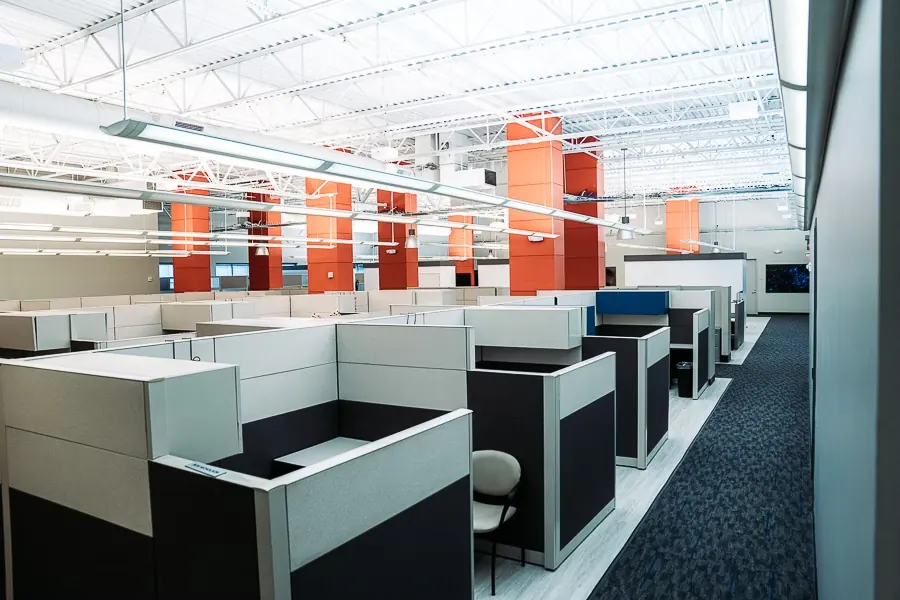
Before we delve into the resurgence of coworking spaces, it’s essential to understand how remote work has evolved. The COVID-19 pandemic forced businesses worldwide to adapt to a remote working model almost overnight. This shift revealed several advantages, including flexibility, reduced commuting time, and access to a broader talent pool. However, it also exposed challenges such as isolation, distractions at home, and difficulties in collaboration.
The Rise of Coworking Spaces
As companies recognized the benefits and challenges of remote work, coworking spaces quickly emerged as a viable solution. These shared work environments provide professionals and businesses with the opportunity to work in a collaborative atmosphere without the long-term commitment of traditional office leases. By 2026, several factors have contributed to the comeback of coworking spaces.
1. The Demand for Flexibility
In the post-pandemic world, flexibility has become a critical factor for both employees and employers. Coworking spaces offer various membership plans, allowing businesses and freelancers to choose how much space and time they need. This adaptability is particularly appealing to startups and remote teams that may not require a permanent office.
2. Enhanced Collaboration Opportunities
Isolation is a common struggle for remote workers. Coworking spaces foster collaboration by bringing together professionals from different industries and backgrounds. This diverse environment encourages networking, idea-sharing, and collaboration that can lead to innovative solutions and partnerships. The social aspect of coworking is invaluable for those who thrive in community-driven settings.
3. Access to Professional Amenities
Modern coworking spaces like World Park offer enterprise-grade technology and professional amenities that remote workers may lack at home. High-speed internet, meeting rooms, and professional podcast and video production studios are just a few examples of the resources available. These features enhance productivity and support content creation, which is increasingly important in today’s digital-first world.
4. A Focus on Health and Well-Being
As awareness of mental health continues to grow, coworking spaces are prioritizing the well-being of their members. Many facilities now offer wellness programs, communal areas for relaxation, and ergonomic workspaces. By providing an environment that promotes health and happiness, coworking spaces help combat the negative effects of remote work, such as burnout and isolation.
5. Business Networking and Events
Coworking spaces often host business networking events, workshops, and startup meetups. These gatherings create opportunities for professionals to connect, share experiences, and learn from one another. Such events are invaluable for entrepreneurs seeking to build relationships and expand their networks.
The Future of Coworking Spaces
As we look ahead to 2026, the future of coworking spaces appears bright. Here are some trends that are likely to shape the industry:
1. Increased Specialization
As the market matures, we can expect to see an increase in specialized coworking spaces that cater to specific industries or niches. For example, spaces designed for tech startups, artists, or health and wellness professionals may emerge, providing tailored resources and networking opportunities.
2. Integration of Technology
Technology will continue to play a significant role in the evolution of coworking spaces. From AI-driven booking systems to advanced collaboration tools, the integration of technology will streamline operations and enhance the member experience. Virtual reality meeting rooms and augmented reality workspaces may also become commonplace.
3. Hybrid Work Models
With the rise of hybrid work models, companies may opt for flexible arrangements that combine remote work with periodic use of coworking spaces. This approach allows businesses to maintain a physical presence without the overhead costs of a full-time office.
4. Sustainable Practices
Environmental sustainability is becoming increasingly important to consumers and businesses alike. Coworking spaces that prioritize eco-friendly practices, such as energy-efficient designs and sustainable materials, will likely attract environmentally-conscious professionals.
5. Global Expansion
Coworking spaces are not limited to urban centers anymore; they are expanding into suburban areas and smaller cities. This trend makes coworking more accessible to a broader audience, including those who may prefer a quieter environment away from bustling city life.
Conclusion
As we approach 2026, the comeback of coworking spaces is a testament to the adaptability of the modern workforce. By providing flexibility, collaboration opportunities, and essential resources, coworking spaces are meeting the evolving needs of remote workers. As technology continues to advance and the demand for innovative work environments grows, coworking spaces will undoubtedly play a significant role in shaping the future of work.
FAQ
1. What are coworking spaces?
Coworking spaces are shared work environments where individuals from different companies and industries can work independently while enjoying communal resources and networking opportunities.
2. How do coworking spaces promote collaboration?
Coworking spaces encourage collaboration by bringing together professionals from diverse backgrounds, fostering networking, idea-sharing, and partnerships.
3. Are coworking spaces suitable for startups?
Yes, coworking spaces are highly suitable for startups as they offer flexible membership plans, professional amenities, and a collaborative community to support growth.
4. What amenities can I expect in a modern coworking space?
Modern coworking spaces typically provide high-speed internet, meeting rooms, podcast and video production studios, communal areas, and wellness programs.
5. How can coworking spaces support mental health?
Coworking spaces can support mental health by providing a community environment, wellness programs, and a professional atmosphere that reduces isolation.
6. What trends are shaping the future of coworking spaces?
Future trends include increased specialization, integration of technology, hybrid work models, sustainable practices, and global expansion into suburban areas.
7. Can freelancers benefit from coworking spaces?
Absolutely! Freelancers can benefit from the resources, networking opportunities, and collaborative environment that coworking spaces provide.
8. How do coworking spaces differ from traditional offices?
Coworking spaces offer flexible membership plans, shared resources, and a collaborative atmosphere, while traditional offices typically have long-term leases and set workspaces.
9. Are coworking spaces cost-effective?
Yes, coworking spaces can be more cost-effective than traditional office leases, as they offer flexible pricing and shared amenities without the overhead costs.
10. How do I choose the right coworking space for my needs?
When choosing a coworking space, consider factors such as location, amenities, community culture, and membership options to ensure it aligns with your professional goals.