Why Hybrid Teams Prefer Coworking Offices Over Traditional Offices
In recent years, the concept of hybrid teams has gained immense popularity, especially in the wake of the global pandemic. As companies navigate the complexities of remote work and in-person collaboration, many are discovering the advantages of coworking spaces over traditional offices. In this article, we will explore why hybrid teams are increasingly favoring coworking offices, the benefits they offer, and how World Park fits into this evolving landscape.
The Rise of Hybrid Teams
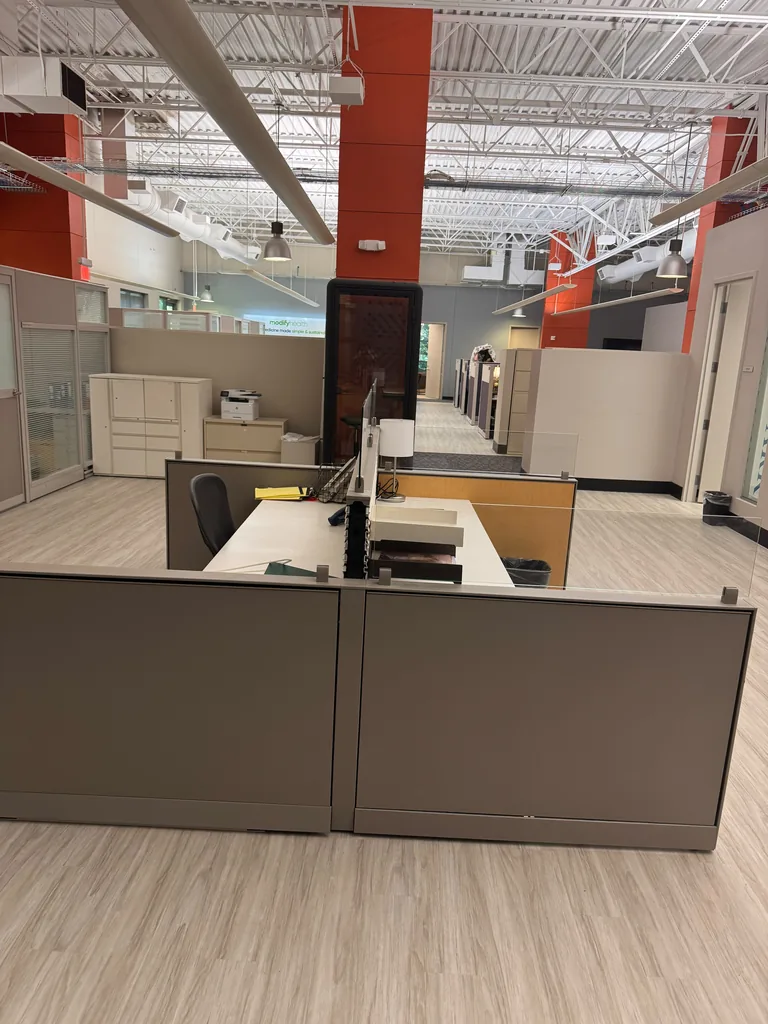
Hybrid teams consist of employees who split their time between working remotely and in a physical office. This model allows for flexibility, work-life balance, and the ability to tap into a wider talent pool. However, it also presents unique challenges, such as maintaining collaboration and communication among team members who are often in different locations.
Benefits of Hybrid Work Models
Hybrid work models provide numerous advantages, including:
- Increased Flexibility: Employees can choose when and where they work, allowing them to manage their time effectively.
- Better Work-Life Balance: With reduced commuting time and the ability to work from home, employees can better balance personal and professional commitments.
- Access to a Wider Talent Pool: Companies are no longer restricted to hiring talent in their immediate vicinity, enabling them to find the best candidates from anywhere.
Why Coworking Spaces Are Ideal for Hybrid Teams
Coworking offices have emerged as a popular solution for hybrid teams for several reasons:
1. Modern Private Offices and Coworking Environments
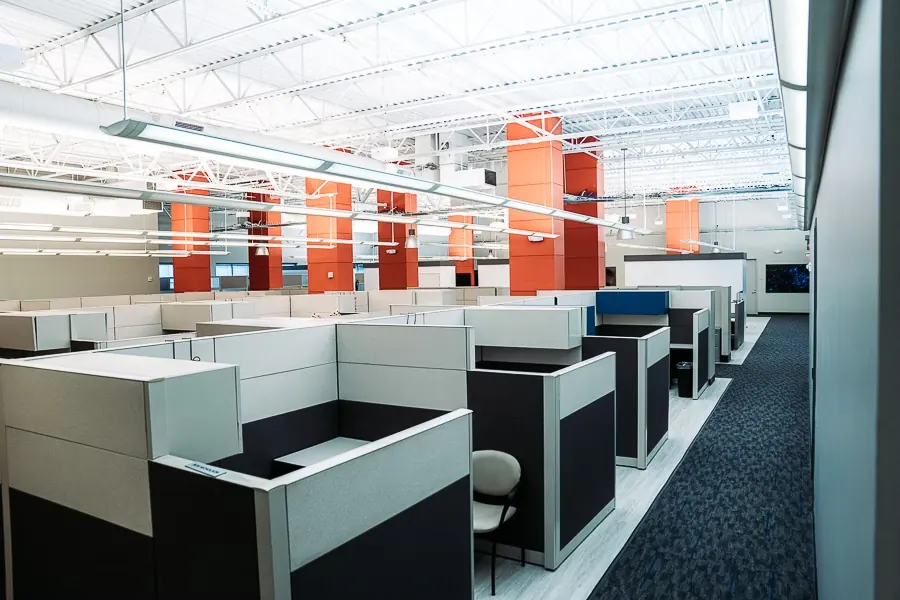
Coworking spaces like World Park offer modern private offices and collaborative environments that cater to the needs of hybrid teams. These spaces are designed to foster productivity and creativity, providing a professional atmosphere without the rigidity of traditional offices.
2. Professional Podcast and Video Production Studios
As content creation becomes increasingly important for businesses, coworking spaces provide access to professional podcast and video production studios. Hybrid teams can utilize these facilities to create high-quality content that resonates with their audience.
3. Startup-Friendly Workspace Ecosystem
Coworking spaces are often designed with startups in mind, offering flexible membership and workspace plans that cater to growing businesses. This environment encourages innovation and collaboration, making it an ideal choice for hybrid teams.
4. Enterprise-Grade Technology Infrastructure
World Park and other coworking spaces provide enterprise-grade technology infrastructure, ensuring that hybrid teams have access to reliable internet, advanced communication tools, and the necessary resources to operate efficiently.
5. Flexible Membership and Workspace Plans
One of the primary advantages of coworking spaces is the flexibility they offer. Hybrid teams can choose from various membership plans, allowing them to scale their workspace as needed without the long-term commitment associated with traditional office leases.
6. Business Networking and Startup Events
Coworking environments often host networking events, workshops, and seminars that foster collaboration and learning. These events provide hybrid teams with opportunities to connect with other professionals, share ideas, and build valuable relationships.
7. Content Creation and Media Production Support
In addition to physical resources, coworking spaces often provide support for content creation and media production. This assistance can be invaluable for hybrid teams looking to enhance their brand presence and engage their audience effectively.
8. Innovation-Focused Collaborative Community
Coworking spaces cultivate an innovation-focused community where individuals can collaborate and share ideas. This atmosphere encourages creativity and problem-solving, which is essential for the success of hybrid teams.
Challenges of Traditional Offices for Hybrid Teams
While traditional offices have their merits, they pose several challenges for hybrid teams:
1. Lack of Flexibility
Traditional offices often require employees to adhere to fixed schedules and work locations, limiting their ability to work remotely or choose hours that suit their personal needs.
2. High Overhead Costs
Maintaining a traditional office can be costly, with expenses related to rent, utilities, and maintenance. Hybrid teams may find it more economical to utilize coworking spaces.
3. Limited Collaboration Opportunities
In a traditional office, collaboration may be hindered by a lack of dynamic environments that encourage interaction and engagement among employees.
4. Employee Burnout
With rigid office hours and the pressure to be physically present, employees may experience burnout from the demands of traditional office settings.
Conclusion
As hybrid teams continue to grow in popularity, coworking spaces are emerging as the preferred choice for their flexibility, resources, and collaborative environments. World Park offers modern private offices, professional media production studios, and an innovation-focused community that supports the unique needs of hybrid teams. By embracing coworking spaces, businesses can foster creativity, enhance productivity, and adapt to the evolving landscape of work.
FAQ
1. What is a hybrid team?
A hybrid team is a group of employees who work both remotely and in a physical office setting.
2. Why do hybrid teams prefer coworking spaces?
Coworking spaces offer flexibility, collaboration opportunities, and resources that cater to the needs of hybrid teams.
3. What facilities do coworking spaces provide?
Coworking spaces typically provide modern offices, meeting rooms, high-speed internet, and production studios.
4. How do coworking spaces support content creation?
Many coworking spaces offer professional studios and resources for podcasting, video production, and other content creation needs.
5. Are coworking spaces cost-effective for businesses?
Yes, coworking spaces often provide flexible membership plans that can be more economical than traditional office leases.
6. Can hybrid teams network in coworking spaces?
Absolutely! Coworking spaces frequently host networking events and workshops to facilitate collaboration among professionals.
7. How do coworking spaces promote innovation?
By fostering a collaborative community and providing resources, coworking spaces encourage creativity and innovative thinking.
8. What are the drawbacks of traditional offices for hybrid teams?
Traditional offices can lack flexibility, incur high costs, and limit collaboration opportunities, making them less suitable for hybrid teams.