
Why Startups Are Moving to Smaller Tech Cities: The Shift Towards Innovation Hubs
In recent years, the landscape of the startup ecosystem has been shifting dramatically. While traditional tech hubs like Silicon Valley and New York City have long been considered the epicenters of innovation, a growing number of startups are opting to establish themselves in smaller tech cities. This trend signifies a significant change in how entrepreneurs view their business environments, and it raises an important question: Why are startups moving to these smaller cities?
The Rise of Smaller Tech Cities
Smaller tech cities are emerging as viable alternatives to the well-established tech hubs. Places like Austin, Boulder, Salt Lake City, and Nashville are becoming increasingly attractive for startups. These cities offer a unique blend of affordability, community, and access to resources that appeal to entrepreneurs looking for a conducive environment for growth.
Affordability and Cost of Living
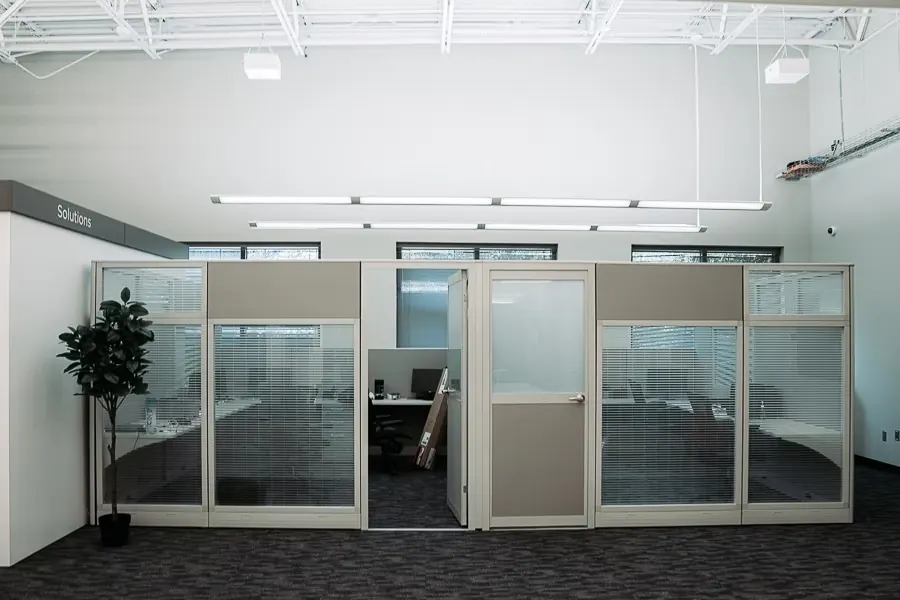
One of the most significant advantages of moving to a smaller tech city is the lower cost of living. In larger cities, the exorbitant expenses associated with rent, utilities, and general living can be a significant burden for startups. Smaller cities provide a more affordable cost structure, allowing entrepreneurs to stretch their budgets further. This affordability extends to office spaces as well. Modern private offices and coworking environments in these cities are often available at a fraction of the price compared to their counterparts in major cities, enabling startups to invest more in their product and team rather than overhead.
Access to Talent
Contrary to popular belief, smaller cities are not devoid of talent. In fact, many tech professionals are migrating to these areas in search of a better quality of life. Startups in smaller cities can tap into a growing pool of skilled workers who prefer the balance of personal and professional life that these locations offer. The competition for talent is also less fierce in smaller cities, allowing startups to attract high-quality employees while offering a more appealing work-life balance.
Strong Community and Networking Opportunities
Smaller tech cities often foster a sense of community that can be beneficial for startups. The tight-knit nature of these locations encourages collaboration and networking among entrepreneurs. Local business networking events and startup-focused gatherings provide opportunities for startups to connect with investors, mentors, and fellow entrepreneurs. This collaborative environment can lead to invaluable partnerships and support systems that are essential for success in the early stages of a startup.
Access to Resources and Support
While larger cities may have a more extensive array of resources, smaller tech cities are catching up quickly. Many of these cities have developed innovation-focused collaborative communities that provide access to business incubators, accelerators, and mentorship programs. These resources are often tailored to the unique needs of startups, offering guidance in areas such as funding, marketing, and business development.
Startup-Friendly Ecosystems
Startup-friendly ecosystems are becoming increasingly prevalent in smaller tech cities. These ecosystems provide an environment that encourages innovation and entrepreneurship through accessible resources and support networks. For example, World Park offers a startup-friendly workspace ecosystem, modern private offices, and coworking spaces designed to meet the needs of emerging businesses. This type of infrastructure not only supports startups but also builds a community around them, fostering collaboration and innovation.
Enterprise-Grade Technology Infrastructure
Today’s startups rely heavily on technology, and having access to enterprise-grade technology infrastructure is crucial. Many smaller tech cities are investing in technology and internet infrastructure to compete with larger cities. This ensures that startups have reliable access to the tools they need to operate efficiently and scale their businesses.
Quality of Life and Work-Life Balance
As the workforce becomes more conscious of work-life balance, the quality of life offered by smaller tech cities is a significant draw for startups. These cities often boast lower crime rates, less congestion, and more recreational activities, contributing to a more enjoyable lifestyle. Founders and employees alike are increasingly prioritizing a healthy work-life balance, and smaller tech cities provide an environment that supports this desire.
Family-Friendly Environments
For entrepreneurs with families, the family-friendly atmosphere of smaller tech cities is another major plus. Schools, parks, and community resources are often more accessible and less crowded, making it easier for families to settle in and thrive. This environment not only benefits the startup founders but also helps retain talent who appreciate a supportive community for their families.
Less Competition
While competition can drive innovation, it can also create a stressful environment for startups. In smaller tech cities, the competition is often less intense, allowing startups to carve out their niches without the pressure of overwhelming competition. This can lead to more sustainable growth and a healthier business environment.
The Future of Startups in Smaller Tech Cities
The trend of startups moving to smaller tech cities is likely to continue as entrepreneurs recognize the benefits of these locations. As technology and communication improve, the need for physical proximity to major markets is diminishing. Startups can operate effectively from almost anywhere, provided they have access to the right resources and support.
Investment Opportunities
Investors are also starting to take notice of the potential in smaller tech cities. As these locations gain visibility and appeal, investment opportunities are blossoming. Venture capitalists are beginning to recognize that innovation is not limited to the coasts, and they are looking towards emerging tech cities for their next big investment.
Building a Sustainable Future
Ultimately, the movement of startups to smaller tech cities reflects a shift towards building sustainable, community-oriented business practices. By fostering innovation in these environments, startups can contribute to the local economy while also tapping into the unique advantages that smaller cities offer.
FAQ
1. What are some examples of smaller tech cities that startups are moving to?
Some examples include Austin, Boulder, Salt Lake City, Nashville, and Raleigh-Durham.
2. What are the main advantages of moving to a smaller tech city?
Lower cost of living, access to talent, strong community support, and a better work-life balance are some of the main advantages.
3. Are there enough resources for startups in smaller tech cities?
Yes, many smaller tech cities are investing in resources such as business incubators, accelerators, and coworking spaces designed for startups.
4. How can startups benefit from a collaborative community?
A collaborative community can provide networking opportunities, mentorship, and partnerships that are invaluable for startup success.
5. Is the talent pool in smaller tech cities sufficient for startups?
Yes, many skilled professionals are moving to smaller cities, contributing to a growing talent pool that startups can tap into.
6. How do smaller tech cities foster innovation?
Smaller tech cities create startup-friendly ecosystems that encourage innovation through accessible resources, networks, and support systems.
7. What role does quality of life play in attracting startups to smaller cities?
Quality of life is crucial for attracting startups as it promotes work-life balance and employee satisfaction, which are vital for retention and productivity.
8. Will the trend of startups moving to smaller tech cities continue?
Yes, as technology improves and work-life balance becomes increasingly important, the trend is likely to continue, with more startups seeking opportunities in smaller tech cities.
