
The Rise of Micro Startups and Flexible Offices: A New Era of Entrepreneurship
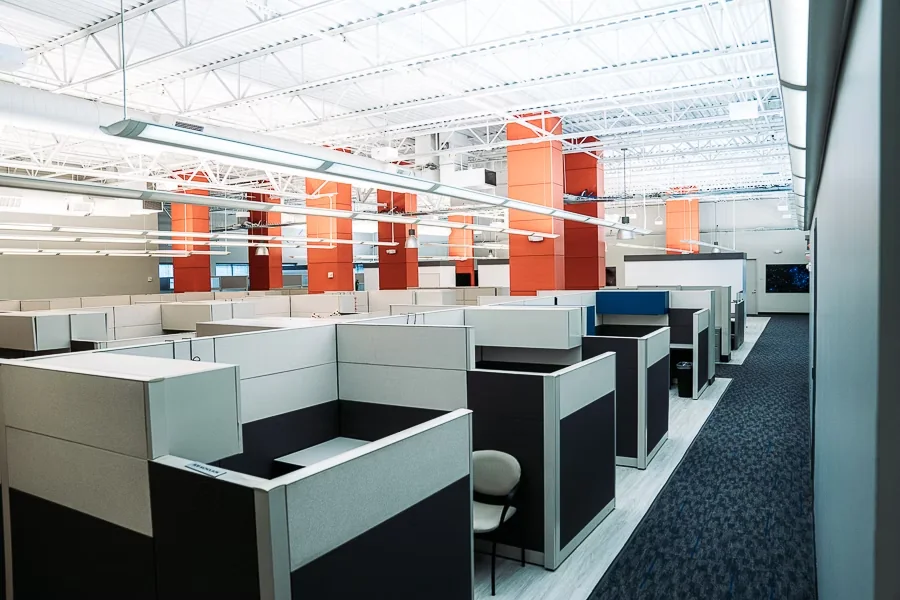
In recent years, the world of entrepreneurship has undergone a significant transformation, marked by the rise of micro startups and the increasing popularity of flexible office spaces. This shift has not only redefined how businesses operate but has also created new opportunities for innovation, collaboration, and growth. In this article, we will explore the factors contributing to the rise of micro startups, the benefits of flexible office environments, and how these two trends are intertwined in shaping the future of work.
Understanding Micro Startups
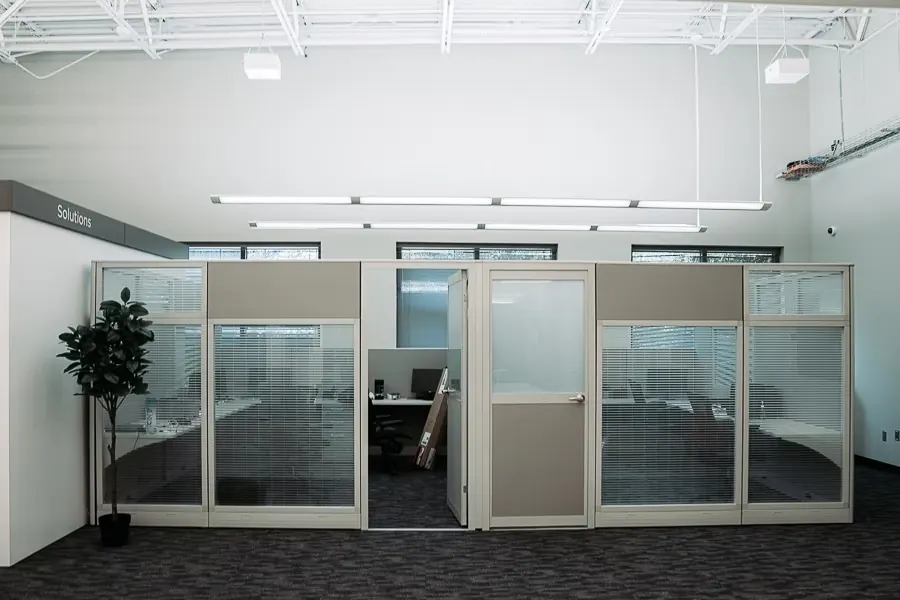
Micro startups are small-scale businesses typically characterized by their limited size, minimal workforce, and lean operational models. Often founded by solo entrepreneurs or small teams, these startups focus on niche markets and innovative solutions. The rise of micro startups can be attributed to several key factors:
1. Technological Advancements
The digital age has empowered entrepreneurs to launch businesses with minimal resources. With access to various online tools and platforms, micro startups can create products, reach customers, and manage operations more efficiently than ever before. Technology has leveled the playing field, allowing small businesses to compete with larger enterprises.
2. Changing Consumer Behavior
Today’s consumers prefer personalized experiences and unique products. This shift in consumer behavior has created a demand for niche offerings, making it easier for micro startups to find their target audience and carve out a space in the market.
3. Low Barrier to Entry
The cost of starting a business has lowered significantly due to advancements in technology and the availability of online resources. Entrepreneurs can now test their ideas with minimal investment, making it feasible for more individuals to embark on their startup journey.
4. Supportive Ecosystem
The rise of entrepreneurship-focused communities, incubators, and accelerators has fostered a supportive environment for micro startups. These resources provide mentorship, funding opportunities, and networking events that help entrepreneurs navigate the challenges of starting and growing a business.
The Role of Flexible Offices
As micro startups emerge, the need for flexible office solutions has become increasingly apparent. Flexible offices, including coworking spaces and private offices, offer numerous advantages for entrepreneurs and small businesses:
1. Cost Efficiency
Flexible office spaces allow startups to minimize overhead costs by providing affordable workspace options. Instead of committing to long-term leases, businesses can choose membership plans that fit their needs, ensuring they only pay for what they use.
2. Networking Opportunities
Flexible offices often foster a collaborative environment where entrepreneurs can connect with like-minded individuals, potential partners, and industry experts. This networking can lead to valuable business relationships and collaborations that may not have been possible in a traditional office setting.
3. Access to Resources
Many flexible office spaces offer access to enterprise-grade technology infrastructure, meeting rooms, and amenities that may be too costly for micro startups to invest in on their own. This access allows businesses to operate more efficiently and professionally.
4. Scalability
Flexible office solutions enable startups to scale their operations quickly as they grow. Whether they need additional space for new team members or require a different setup for a project, flexible office environments can accommodate these changes without the hassle of relocating.
Micro Startups and Flexible Offices: A Symbiotic Relationship
The relationship between micro startups and flexible office spaces is mutually beneficial. As more entrepreneurs embrace the micro startup model, the demand for flexible office solutions continues to rise. Conversely, the availability of flexible work environments encourages the growth of micro startups, creating a cycle of innovation and entrepreneurship.
1. Innovation-Focused Communities
Flexible offices often prioritize fostering innovation by hosting events, workshops, and networking opportunities. This focus creates an environment where micro startups can thrive, share ideas, and collaborate on projects.
2. Content Creation and Media Production Support
Many flexible office spaces, like World Park, offer professional podcast and video production studios, allowing micro startups to create high-quality content for marketing and brand building. This support is invaluable for businesses looking to establish their presence in the digital landscape.
3. Business Networking and Startup Events
Flexible office environments frequently organize networking events and startup competitions, providing micro startups with opportunities to showcase their ideas and connect with potential investors and partners. These events can be crucial for securing funding and expanding their reach.
4. Adaptability to Market Changes
The dynamic nature of micro startups requires adaptability, and flexible offices provide the agility needed to pivot quickly in response to market changes. Startups can experiment with different business models and strategies without the constraints of a traditional office lease.
Challenges Faced by Micro Startups
While the rise of micro startups and flexible offices presents numerous opportunities, it is important to acknowledge the challenges that entrepreneurs may face:
1. Resource Limitations
Micro startups often operate with limited resources, which can hinder their ability to scale and innovate. Finding funding and support can be critical to overcoming these challenges.
2. Market Competition
As more entrepreneurs enter the market, competition can become fierce. Micro startups must differentiate themselves and provide unique value to attract customers.
3. Balancing Flexibility and Structure
While flexibility is a key advantage of micro startups, it can also lead to challenges in maintaining structure and organization. Entrepreneurs need to find a balance between adaptability and effective management.
Conclusion
The rise of micro startups and flexible offices marks a new era of entrepreneurship characterized by innovation, collaboration, and adaptability. As technology continues to evolve and consumer preferences shift, the landscape of business will likely continue to change. Entrepreneurs who embrace these trends and leverage the advantages of flexible office spaces will be well-positioned for success in this dynamic environment.
FAQs
1. What is a micro startup?
A micro startup is a small-scale business typically founded by a solo entrepreneur or a small team, focusing on niche markets and innovative solutions.
2. What are the benefits of flexible office spaces?
Flexible office spaces offer cost efficiency, networking opportunities, access to resources, and scalability for startups and small businesses.
3. How can flexible offices support micro startups?
Flexible offices provide a collaborative environment, access to technology, and networking events that help micro startups grow and connect with potential partners.
4. Are micro startups more innovative than traditional startups?
Micro startups often have the agility to innovate quickly due to their lean operational models and focus on niche markets.
5. How do I choose the right flexible office space for my startup?
Consider factors such as location, amenities, community, and pricing when selecting a flexible office space for your startup.
6. What challenges do micro startups face?
Micro startups may encounter resource limitations, market competition, and the need to balance flexibility with structure.
7. Can I start a micro startup with little investment?
Yes, advancements in technology and the availability of online resources have made it possible to start a micro startup with minimal investment.
8. What types of events do flexible offices host for startups?
Flexible offices often host networking events, workshops, and startup competitions to support entrepreneurship and innovation.
More on this topic