The Future of Creative Workspaces in the AI Era
As we advance further into the 21st century, the landscape of work is undergoing a remarkable transformation. The integration of artificial intelligence (AI) into our daily tasks is reshaping industries and redefining how we collaborate. Creative workspaces, in particular, are evolving to accommodate these changes, fostering innovation and productivity in ways that were previously unimaginable. In this article, we will explore the future of creative workspaces in the AI era, discussing the impact of technology, the benefits of modern work environments, and how companies like World Park are leading the charge.
The Impact of AI on Workspaces
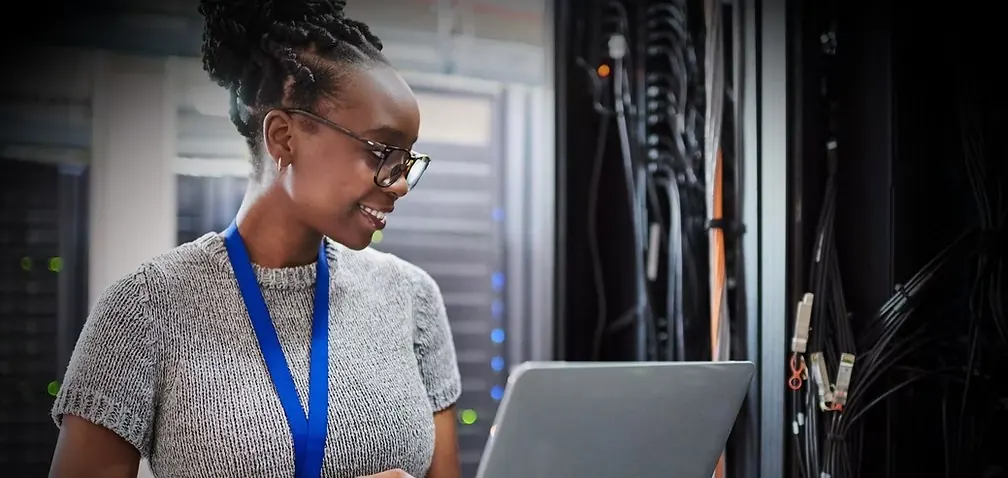
AI technology is revolutionizing the way we work. From automating mundane tasks to enhancing creative processes, AI is providing tools that improve efficiency and creativity. Here are some of the ways AI is impacting creative workspaces:
1. Automation of Repetitive Tasks
In creative fields, professionals often find themselves bogged down by repetitive tasks such as data entry, scheduling, and basic design adjustments. AI tools can automate these processes, allowing creatives to focus on higher-level strategic thinking and innovative idea generation.
2. Enhanced Collaboration Tools
AI-powered collaboration tools facilitate smoother communication among team members, regardless of location. Features like real-time language translation, intelligent scheduling, and even AI-driven brainstorming sessions can significantly enhance teamwork and creativity.
3. Data-Driven Insights
AI can analyze vast amounts of data to provide insights into customer preferences, market trends, and creative effectiveness. This data-driven approach enables businesses to make informed decisions, ultimately leading to more successful creative projects.
The Role of Creative Workspaces
Creative workspaces are designed to foster collaboration, innovation, and flexibility. In an AI-driven world, these environments are becoming more essential than ever. Here are some key characteristics of future creative workspaces:
1. Flexibility and Adaptability
Modern creative workspaces need to be flexible, accommodating various working styles and preferences. With the rise of remote work and hybrid models, spaces that offer versatile layouts and adjustable furniture are becoming increasingly popular.
2. Technology Integration
As AI continues to evolve, the integration of advanced technology in workspaces is critical. This includes not only high-speed internet and enterprise-grade infrastructure but also AI tools that enhance the creative process.
3. Community and Networking Opportunities
Creative workspaces should foster a sense of community among members. World Park, for instance, offers business networking and startup events that encourage collaboration and the sharing of ideas. This communal aspect is vital for creativity and innovation.
World Park: Pioneering the Creative Workspace of the Future
World Park is at the forefront of the creative workspace revolution. With a focus on modern private offices and coworking environments, they provide a unique ecosystem for startups and established businesses alike. Here’s what sets World Park apart:
1. Professional Podcast and Video Production Studios
As content creation becomes increasingly important, World Park offers top-notch studios equipped with enterprise-grade technology for podcasting and video production. This enables members to create high-quality content that stands out in a crowded marketplace.
2. Startup-Friendly Workspace Ecosystem
World Park is designed with startups in mind, providing flexible membership and workspace plans that cater to the unique needs of emerging businesses. This supportive environment encourages innovation and growth.
3. Focus on Innovation
World Park fosters an innovation-focused collaborative community, where creatives can share ideas, collaborate on projects, and learn from one another. This atmosphere is essential for driving creativity and pushing boundaries.
Preparing for the Future: Skills and Mindsets
As we look toward the future of creative workspaces, it’s essential to consider the skills and mindsets that will be required for success in an AI-driven world. Here are some key areas to focus on:
1. Embracing Change
The ability to adapt to new technologies and methodologies is crucial. Professionals must be open to learning and evolving as AI continues to shape the creative landscape.
2. Enhancing Soft Skills
While technical skills are important, soft skills such as communication, empathy, and teamwork will become even more valuable in the AI era. These skills facilitate collaboration and enhance the creative process.
3. Continuous Learning
With technology advancing rapidly, a commitment to lifelong learning is essential. Professionals should seek opportunities for training and development to stay ahead of the curve.
Conclusion
The future of creative workspaces in the AI era is bright and full of potential. By embracing technology, fostering community, and focusing on innovation, companies like World Park are paving the way for a new era of creative collaboration. As we move forward, it is essential for professionals to adapt, learn, and thrive in this dynamic environment.
FAQ
1. How is AI changing the way we work in creative industries?
AI is automating repetitive tasks, enhancing collaboration, and providing data-driven insights, allowing creatives to focus on higher-level work.
2. What are the key characteristics of modern creative workspaces?
Key characteristics include flexibility, technology integration, and a strong sense of community.
3. How can businesses benefit from using AI tools?
AI tools can increase efficiency, improve project outcomes, and enhance decision-making through data analysis.
4. What role does community play in creative workspaces?
A sense of community fosters collaboration, idea sharing, and networking, which are all essential for creativity and innovation.
5. How does World Park support startups?
World Park offers flexible workspace plans, networking events, and resources tailored to the needs of startups.
6. What skills will be important in the AI era?
Embracing change, enhancing soft skills, and committing to continuous learning will be essential for success.
7. How can I find a suitable creative workspace?
Look for spaces that align with your work style, offer necessary technology, and foster a collaborative environment.
8. What is the future of remote work in creative industries?
Remote work is likely to continue growing, with hybrid models becoming the norm as companies adapt to new technologies and work styles.