
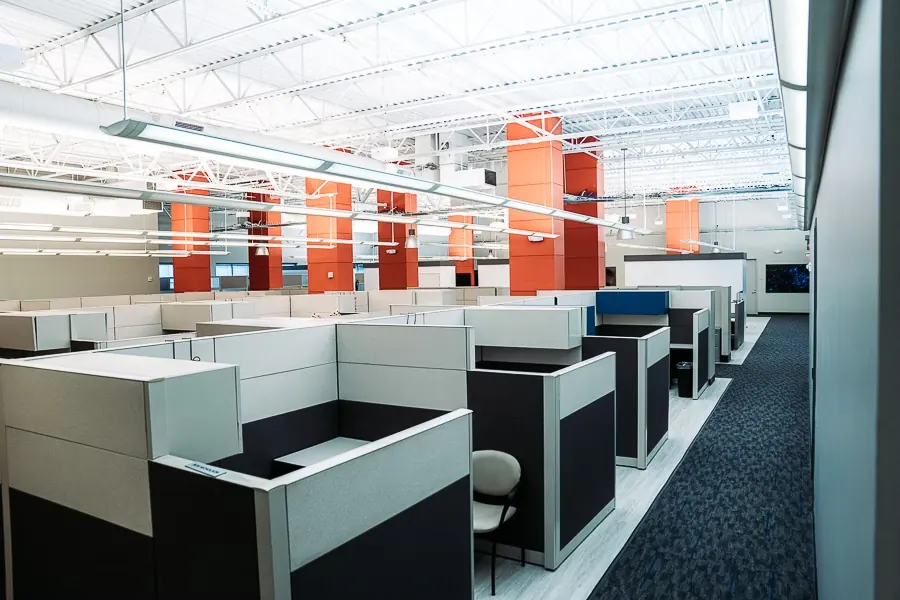
The Rise of Founder Communities in Coworking Spaces
In recent years, we have witnessed a significant transformation in the way entrepreneurs and startups operate. The rise of coworking spaces has played a pivotal role in this evolution, not only providing flexible work environments but also fostering vibrant founder communities. These communities are reshaping the startup landscape, offering support, resources, and networking opportunities that are crucial for the success of new ventures. In this article, we will explore the concept of founder communities in coworking spaces, their benefits, challenges, and the future of collaboration among entrepreneurs.
Understanding Founder Communities
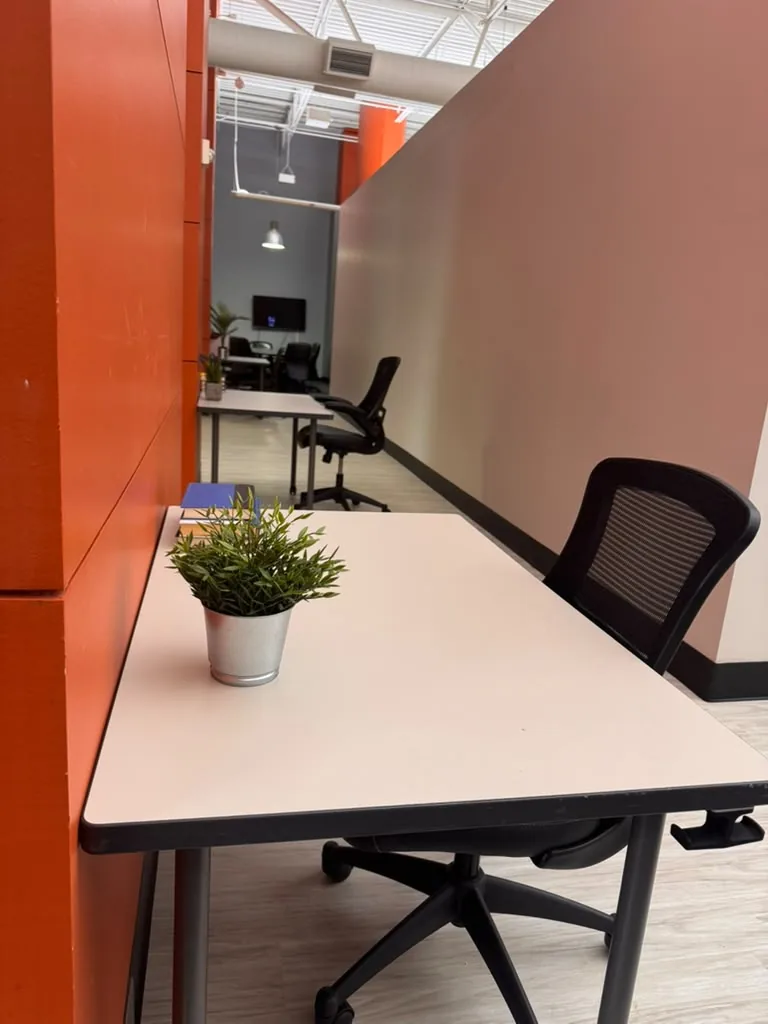
Founder communities refer to groups of entrepreneurs and startup founders who come together in a shared space—often a coworking environment—to connect, collaborate, and support each other. These communities are characterized by their emphasis on shared experiences, resources, and mutual growth. Unlike traditional networking events, founder communities provide a more organic and ongoing interaction among members, allowing for deeper relationships and more impactful collaborations.
The Role of Coworking Spaces
Coworking spaces serve as the physical and conceptual backbone of founder communities. They offer modern private offices and coworking environments that cater to the diverse needs of startups, from freelancers to established companies. By creating a shared workspace, coworking spaces facilitate interaction among founders, enabling them to share ideas, seek advice, and collaborate on projects.
Key Features of Modern Coworking Spaces
Modern coworking spaces are designed with the needs of entrepreneurs in mind. Here are some key features:
- Flexible Membership Plans: Coworking spaces offer various membership options, allowing startups to choose plans that best suit their needs, whether they require a dedicated desk, a private office, or occasional access.
- Enterprise-Grade Technology Infrastructure: Many coworking spaces are equipped with high-speed internet, meeting rooms with advanced technology, and professional podcast and video production studios, enabling startups to operate efficiently.
- Networking Events: Regular business networking and startup events are organized within these spaces, providing opportunities for members to connect and collaborate with like-minded individuals.
- Support for Content Creation: Coworking spaces often provide resources for media production and content creation, which are essential for startups looking to establish their brand identity.
The Benefits of Founder Communities
Founder communities in coworking spaces offer numerous advantages for entrepreneurs. Here are some of the most significant benefits:
1. Access to Resources and Knowledge
One of the primary advantages of being part of a founder community is access to a wealth of resources and knowledge. Members can share insights, experiences, and best practices, which can be invaluable for navigating the challenges of starting and growing a business.
2. Networking Opportunities
Coworking spaces often host events and workshops that encourage networking among members. These gatherings help founders build relationships with potential partners, mentors, and investors, significantly increasing their chances of success.
3. Encouragement and Motivation
Being surrounded by fellow entrepreneurs can be incredibly motivating. Founder communities foster an environment where members encourage one another, share successes, and provide support during challenging times.
4. Collaborative Opportunities
Collaboration is a hallmark of founder communities. Members can find potential collaborators for projects, joint ventures, or even co-founding opportunities. This collaborative spirit can lead to innovative ideas and successful partnerships.
5. Enhanced Creativity
Working alongside other creative individuals can inspire new ideas and perspectives. Founder communities often foster an atmosphere of innovation, where brainstorming and collaboration lead to creative solutions.
6. Accountability
Being part of a founder community can create a sense of accountability. Members often set goals and share their progress with one another, encouraging them to stay on track and achieve their objectives.
Challenges Faced by Founder Communities
While founder communities offer numerous benefits, they also face challenges that can impact their effectiveness. Here are some common challenges:
1. Diverse Needs and Objectives
Founders in a community may have varying needs, objectives, and stages of business development. This diversity can sometimes create challenges in aligning goals and expectations within the community.
2. Competition Among Members
In some cases, members may find themselves competing for the same resources or market share. This competition can lead to tension within the community if not managed effectively.
3. Maintaining Engagement
As the community grows, maintaining engagement and participation can become challenging. It is essential for community leaders to create opportunities for involvement and ensure that all members feel included.
5. Communication Barriers
Effective communication is crucial for a thriving community. However, differences in communication styles and preferences can lead to misunderstandings and hinder collaboration.
The Future of Founder Communities in Coworking Spaces
The future of founder communities in coworking spaces looks promising. As the startup ecosystem continues to evolve, these communities will likely become even more integral to the entrepreneurial landscape. Here are some trends we can expect to see:
1. Increased Specialization
We may see the emergence of more specialized coworking spaces that cater to specific industries or niches, allowing founders to connect with others facing similar challenges and opportunities.
2. Hybrid Work Models
With the rise of remote work, many coworking spaces are adapting to hybrid models that combine in-person collaboration with virtual engagement, expanding the reach of founder communities.
3. Enhanced Support Services
Coworking spaces may increasingly offer additional support services, such as mentorship programs, workshops, and access to funding, further enriching the founder community experience.
4. Focus on Wellness
As the importance of mental health and well-being becomes more recognized, founder communities may incorporate wellness initiatives, creating a more holistic approach to entrepreneurship.
Conclusion
The rise of founder communities in coworking spaces marks a significant shift in how entrepreneurs collaborate and support one another. These communities provide invaluable resources, networking opportunities, and a sense of belonging that can propel startups toward success. As coworking spaces continue to evolve, we can expect founder communities to play an increasingly important role in shaping the future of entrepreneurship.
Frequently Asked Questions (FAQ)
1. What are founder communities?
Founder communities are groups of entrepreneurs and startup founders who come together in shared workspaces to connect, collaborate, and support each other.
2. How do coworking spaces facilitate founder communities?
Coworking spaces provide modern private offices, networking events, and collaborative environments that encourage interaction among founders.
3. What are the benefits of joining a founder community?
Benefits include access to resources, networking opportunities, encouragement, collaboration, enhanced creativity, and accountability.
4. What challenges do founder communities face?
Common challenges include diverse needs, competition among members, maintaining engagement, and communication barriers.
5. How can I find a coworking space with a strong founder community?
Research local coworking spaces, read reviews, and visit to assess the community vibe and available resources.
6. Are founder communities only for startups?
While they primarily benefit startups, founder communities can also include established business owners looking to connect and collaborate.
7. How can I maximize my experience in a founder community?
Engage actively, attend events, network with others, and share your expertise and experiences to build meaningful relationships.
8. What is the future of founder communities in coworking spaces?
The future includes increased specialization, hybrid work models, enhanced support services, and a focus on wellness initiatives.
