
How Coworking Spaces Are Adapting to Hybrid Work
The workplace landscape has dramatically shifted in recent years, with hybrid work models becoming increasingly popular. As companies and employees alike embrace this flexible approach, coworking spaces are stepping up to meet the evolving needs of modern professionals. In this article, we will explore how coworking spaces are adapting to the hybrid work model, the benefits they offer, and what the future holds for these innovative work environments.
Understanding the Hybrid Work Model

The hybrid work model combines remote and in-office work, allowing employees the flexibility to choose where and when they work. This model has gained traction due to its numerous advantages, including increased productivity, improved work-life balance, and reduced overhead costs for businesses. As organizations begin to embrace this new normal, coworking spaces are finding innovative ways to support this shift.
The Rise of Coworking Spaces
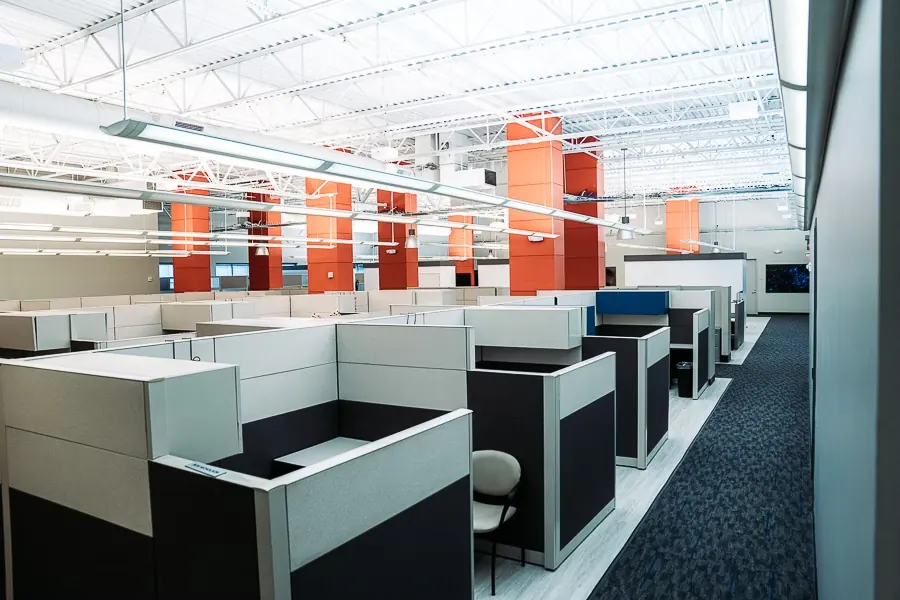
Coworking spaces have emerged as a viable alternative to traditional offices, offering modern private offices and collaborative environments that cater to the needs of today’s workforce. These spaces typically provide amenities like high-speed internet, meeting rooms, and communal areas, making them ideal for freelancers, startups, and larger companies alike.
The Benefits of Coworking Spaces
One of the key benefits of coworking spaces is their flexibility. Many coworking providers, like World Park, offer various membership plans that accommodate different working styles and schedules. This flexibility is particularly important in a hybrid work environment, where employees may not need a dedicated office space every day.
Key Adaptations of Coworking Spaces
As hybrid work continues to redefine the way we work, coworking spaces are making several adaptations to meet the needs of their clients. Here are some of the key changes being implemented:
1. Flexible Membership Plans
To cater to the diverse needs of hybrid workers, coworking spaces are offering flexible membership plans that allow users to choose when and how often they want to access the space. This may include daily passes, part-time memberships, or full-time access, ensuring that individuals have options that align with their work habits.
2. Enhanced Technology Infrastructure
With hybrid work relying heavily on technology, coworking spaces are investing in enterprise-grade technology infrastructure. This includes high-speed internet, video conferencing tools, and dedicated podcast and video production studios, ensuring that members can stay connected and collaborate effectively, regardless of their physical location.
3. Health and Safety Protocols
The pandemic has heightened awareness around health and safety in shared spaces. Coworking spaces are implementing rigorous cleaning protocols, social distancing measures, and contactless entry systems to ensure a safe working environment for all members. This commitment to health and safety is vital in building trust with clients and fostering a sense of community.
4. Designated Collaboration Areas
As hybrid work becomes more prevalent, the need for collaboration remains crucial. Coworking spaces are creating designated collaboration areas equipped with comfortable seating, whiteboards, and multimedia tools to facilitate brainstorming sessions and team meetings. These spaces encourage creativity and innovation, providing a conducive environment for collaboration.
5. Networking and Community Building Events
Coworking spaces are known for fostering a sense of community among their members. To support hybrid workers, many coworking spaces are organizing networking events, workshops, and startup-focused gatherings. These events not only provide opportunities for members to connect but also facilitate knowledge sharing and collaboration among different industries.
The Future of Coworking Spaces in a Hybrid Work Era
As we look to the future, coworking spaces are poised to play a significant role in the evolving workplace landscape. With the flexibility of hybrid work becoming the norm, coworking spaces will continue to adapt and innovate to meet the changing needs of their clients.
1. Increased Focus on Mental Health and Wellbeing
With the ongoing challenges of remote work, coworking spaces will likely place a greater emphasis on the mental health and wellbeing of their members. This may include wellness programs, meditation spaces, and access to mental health resources, creating a supportive environment for professionals.
2. Integration of Digital Tools
Coworking spaces will increasingly integrate digital tools that facilitate seamless communication and collaboration among hybrid teams. This may include virtual meeting platforms, project management software, and communication apps that allow members to stay connected regardless of their physical location.
3. Sustainability Initiatives
As the world becomes more environmentally conscious, coworking spaces will likely adopt sustainability initiatives to minimize their carbon footprint. This may include energy-efficient designs, waste reduction programs, and partnerships with local eco-friendly organizations.
4. Evolving Community Dynamics
The dynamics of coworking communities will continue to evolve as more individuals embrace hybrid work. Coworking spaces will need to adapt their programming and offerings to cater to a diverse range of members, including freelancers, remote workers, and larger teams.
Conclusion
Coworking spaces are at the forefront of adapting to the hybrid work model, providing flexible environments that cater to the diverse needs of modern professionals. As these spaces continue to evolve, they will play a crucial role in shaping the future of work. By embracing technology, fostering collaboration, and prioritizing community building, coworking spaces like World Park are paving the way for a more innovative and flexible workforce.
Frequently Asked Questions
1. What is a coworking space?
A coworking space is a shared workspace that provides individuals and businesses with access to office amenities, collaborative environments, and networking opportunities.
2. How does the hybrid work model work?
The hybrid work model combines remote and in-office work, allowing employees to choose their work location based on their preferences and company policies.
3. What are the benefits of coworking spaces for hybrid workers?
Benefits include flexibility, access to enterprise-grade technology, networking opportunities, and a supportive community.
4. How are coworking spaces ensuring health and safety?
Coworking spaces are implementing cleaning protocols, social distancing measures, and contactless entry systems to create a safe working environment.
5. Can I rent a coworking space for a day?
Many coworking spaces offer daily passes, allowing you to rent a space for a single day or a short period.
6. Are coworking spaces suitable for startups?
Yes, coworking spaces provide a startup-friendly ecosystem with access to resources, networking, and collaborative opportunities.
7. What amenities do coworking spaces typically offer?
Coworking spaces often offer high-speed internet, meeting rooms, communal areas, and access to printing and copying services.
8. How can I find a coworking space near me?
You can search online for coworking spaces in your area, check reviews, and visit their websites to learn about their offerings and membership plans.