
The Future of Startup Workspaces in the AI Age
As we dive deeper into the 21st century, the landscape of workspaces, especially for startups, is undergoing a significant transformation. The advent of artificial intelligence (AI) is reshaping industries and redefining how businesses operate. Startups, often characterized by their agility and innovative spirit, are uniquely positioned to leverage these changes. This article explores the future of startup workspaces in the era of AI, focusing on key trends, technological advancements, and the evolving needs of entrepreneurs.
The Rise of AI in the Workplace
AI is not just a buzzword; it is a reality that is influencing various aspects of how companies function. From automation of mundane tasks to advanced analytics that drive decision-making, AI is enhancing productivity and efficiency. Startups, which thrive on innovation, are embracing AI tools to streamline their operations, allowing them to focus on their core mission.
Automation of Routine Tasks
One of the most immediate impacts of AI is the automation of routine tasks. Tools such as chatbots can handle customer inquiries, while AI-driven software can manage scheduling and data entry. For startups, this means less time spent on administrative tasks and more time dedicated to strategic planning and product development.
Data-Driven Decision Making
AI enables startups to harness vast amounts of data and extract valuable insights. By utilizing AI analytics tools, startups can make informed decisions based on real-time data. This data-driven approach enhances the ability to pivot and adapt quickly to market changes, a critical factor for any startup’s success.
The Evolution of Workspace Design
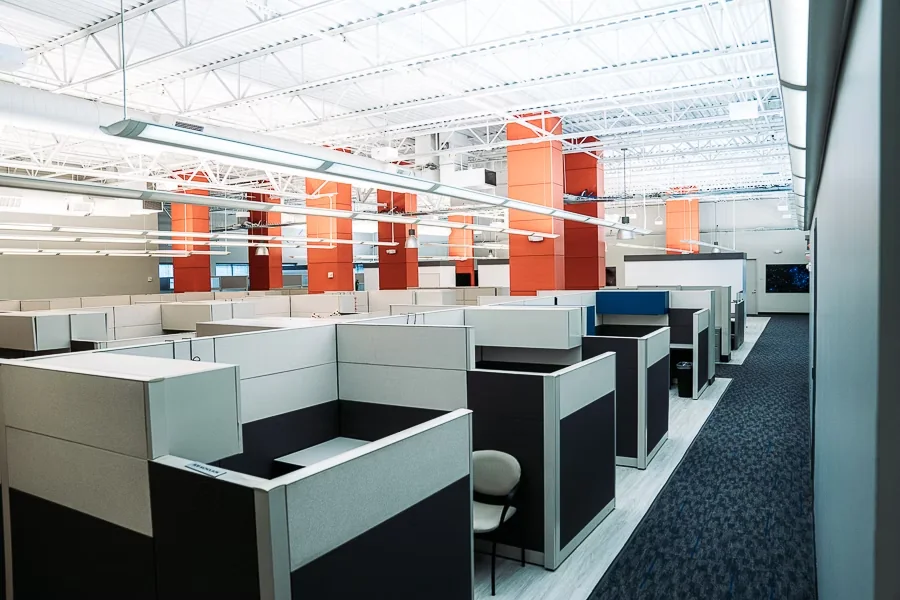
The traditional office layout is rapidly becoming obsolete. The future of startup workspaces will reflect a design that fosters collaboration, creativity, and adaptability. Here are some key elements that will shape the future of workspace design:
Flexible and Adaptable Spaces
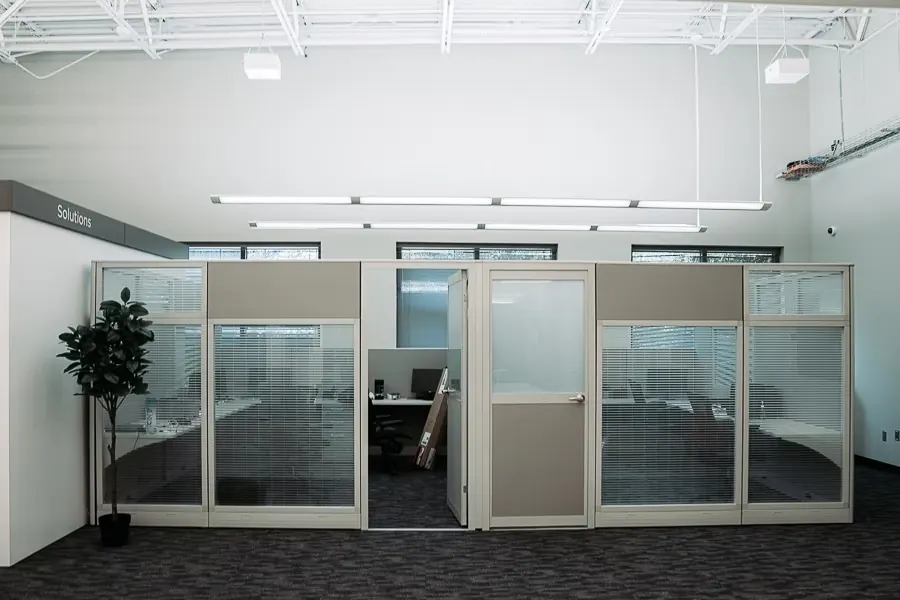
As startups grow, their workspace needs can change. The future of startup workspaces will prioritize flexibility, allowing teams to reconfigure spaces as needed. Coworking environments, like those offered by World Park, provide modern private offices and adaptable coworking areas that can accommodate various team sizes and project requirements.
Collaboration Zones
Collaboration is at the heart of innovation. Future workspaces will feature dedicated areas designed for teamwork, brainstorming sessions, and creative discussions. These zones will be equipped with technology to facilitate collaboration, such as interactive whiteboards and video conferencing tools, allowing teams to connect seamlessly, whether they are in-house or remote.
Integration of AI Technologies
Workspace design will increasingly incorporate AI technologies. Smart office systems that adjust lighting and climate based on occupancy, AI-powered meeting scheduling applications, and virtual assistants will become commonplace. These innovations will not only enhance comfort but also improve overall productivity.
The Role of Community and Networking
In the startup ecosystem, community and networking are vital. The future of workspaces will emphasize creating a collaborative environment where entrepreneurs can connect, share ideas, and support each other. World Park, for instance, hosts business networking events and startup-focused gatherings, fostering a sense of community among its members.
Networking Opportunities
Startups thrive on connections. The ability to meet potential partners, investors, and mentors can significantly influence a startup’s trajectory. Future workspaces will facilitate networking opportunities through organized events, workshops, and informal gatherings that encourage interaction and collaboration.
Support for Content Creation and Media Production
As the digital landscape continues to evolve, the demand for content creation is increasing. Workspaces will need to provide resources for startups looking to produce podcasts, videos, and other media. Facilities like professional podcast and video production studios will become essential for those aiming to enhance their brand visibility and outreach.
Embracing Remote Work
The COVID-19 pandemic has accelerated the trend toward remote work, a shift that is likely to persist. Startups must adapt to this new reality, offering flexible work arrangements that accommodate remote and hybrid models. The future workspace will need to support both in-office and remote employees effectively.
Technology-Driven Collaboration
To bridge the gap between remote and in-office teams, startups will rely on advanced communication tools and platforms. Virtual collaboration tools, project management software, and cloud-based applications will enable seamless communication, ensuring that all team members can contribute effectively, regardless of their location.
Creating a Culture of Trust and Inclusion
As remote work becomes more common, fostering a company culture that promotes trust and inclusion is crucial. Startups will need to implement strategies that encourage engagement, such as regular check-ins, virtual team-building activities, and transparent communication channels that ensure everyone feels valued and connected.
Conclusion
The future of startup workspaces in the AI age is an exciting one, marked by innovation, flexibility, and collaboration. As startups continue to evolve, they must embrace the opportunities presented by AI and create work environments that foster creativity and adaptability. By prioritizing community, leveraging technology, and reimagining workspace design, startups can thrive in this dynamic landscape, positioning themselves for long-term success.
FAQ
1. How is AI changing the startup workspace?
AI is automating routine tasks, enabling data-driven decisions, and integrating smart technologies that enhance productivity and collaboration.
2. What are the benefits of flexible workspace design?
Flexible workspace design allows startups to adapt their environments to changing needs, fostering collaboration and creativity among teams.
3. Why is community important for startups?
A strong community provides networking opportunities, support, and shared resources, which are crucial for startup success.
4. How can startups leverage AI for content creation?
Startups can use AI tools for analyzing audience preferences, optimizing content strategies, and enhancing media production efficiency.
5. What role does remote work play in startup culture?
Remote work promotes flexibility and access to a broader talent pool, but it requires intentional efforts to maintain a cohesive company culture.
6. What features should future workspaces include?
Future workspaces should incorporate collaboration zones, smart technology, flexible layouts, and resources for content creation and media production.
7. How can startups ensure effective communication in a hybrid work model?
Startups can implement advanced communication tools, regular check-ins, and transparent channels to maintain engagement among remote and in-office teams.
8. What is the importance of networking events for startups?
Networking events provide opportunities for startups to connect with potential partners, investors, and mentors, which can significantly influence their growth.
More on this topic