
Why Modern Startups Prefer Small Offices: The Advantages of a Compact Workspace
In the dynamic landscape of today’s business environment, startups are continuously evolving to meet the needs of their teams, clients, and the market. One notable trend that has emerged in recent years is the preference for small office spaces. This shift away from traditional, expansive office setups toward more compact workspaces has been fueled by various factors that resonate with the modern startup ethos. In this article, we will delve into the reasons why modern startups are opting for small offices and how these spaces can foster innovation, collaboration, and efficiency.
The Shift in Startup Culture
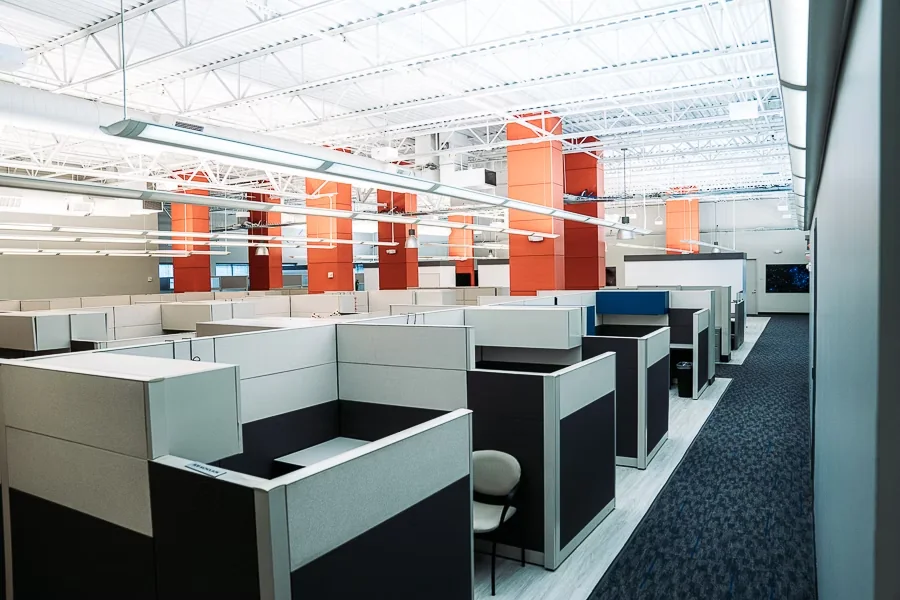
The startup culture is distinctly different from that of established corporations. Startups often prioritize flexibility, creativity, and a collaborative environment, which can be supported by smaller office spaces. Here, we explore the cultural shifts that have influenced this preference.
Emphasis on Collaboration
Modern startups thrive on collaboration. Small office environments encourage spontaneous interactions and brainstorming sessions that can lead to innovative ideas. The layout of a compact workspace fosters communication, making it easier for team members to share thoughts and work together on projects.
Flexibility and Adaptability
In a world where change is constant, startups need to be agile. Small offices allow for greater flexibility in terms of space management. Startups can easily adjust their layout or move to a different location as their needs evolve. This adaptability is crucial for businesses that are still finding their footing in the market.
Cost-Effectiveness and Financial Benefits
One of the most significant advantages of opting for small office spaces is the cost savings associated with them. Let’s examine how smaller spaces can have a positive impact on a startup’s bottom line.
Reduced Overhead Costs
Renting a small office typically comes with lower overhead costs compared to larger spaces. Startups often operate on tight budgets and need to allocate funds wisely. By choosing a smaller office, they can save on rent, utilities, and maintenance expenses, allowing them to invest more in product development and marketing strategies.
Efficient Resource Allocation
Small offices encourage startups to use their resources more efficiently. With limited space, startups are often forced to evaluate their needs critically, leading to smarter purchasing decisions. This efficiency can streamline operations and reduce waste, ultimately benefiting the company’s financial health.
Enhancing Employee Well-Being
Employee well-being is a critical component of a successful startup. Small offices can create a more comfortable and supportive work environment. Here’s how.
Personalized Workspaces
In smaller offices, there is often more opportunity for personalization. Employees can create their own comfortable workspaces, leading to increased job satisfaction. This personalization fosters a sense of ownership and belonging, which is essential for motivation and productivity.
Improved Work-Life Balance
Small office spaces often offer flexible hours and remote work options, contributing to a better work-life balance. Startups that prioritize employee well-being are more likely to attract and retain top talent, ultimately leading to their growth and success.
Access to Modern Amenities
Modern small offices are often equipped with the latest technology and amenities that can enhance productivity. Let’s look at some of the benefits.
Enterprise-Grade Technology
Many small office spaces, especially those designed for startups, come with enterprise-grade technology infrastructure. This can include high-speed internet, state-of-the-art conference rooms, and advanced communication systems. These amenities are crucial for startups that require reliable technology to operate efficiently.
Professional Production Studios
For startups focused on content creation, having access to professional podcast and video production studios can be a game changer. These facilities enable startups to create high-quality media without the need for significant upfront investment in equipment.
Building a Collaborative Community
Small offices often foster a sense of community among startups. The benefits of collaboration can lead to growth and innovation.
Networking Opportunities
Being in a small office environment allows startups to interact with other like-minded businesses. This networking can lead to partnerships, collaborations, and new opportunities that would not have been possible in a more isolated setting.
Startup-Friendly Ecosystem
Many small office spaces are designed specifically for startups, providing an ecosystem that supports innovation and entrepreneurship. From business networking events to workshops, these environments nurture the growth of emerging businesses.
Challenges and Considerations
While small offices offer numerous benefits, there are also challenges to consider. Understanding these challenges can help startups make informed decisions.
Space Limitations
One of the primary challenges of small office spaces is the physical limitations. As a startup grows, it may quickly outgrow a small office. Planning for future growth is essential to avoid disruptions in operations.
Balancing Privacy and Collaboration
While collaboration is essential, startups must also consider the need for privacy. Small offices can sometimes lead to distractions due to their open layouts. Finding a balance between collaborative spaces and private work areas is crucial.
Conclusion
The trend of modern startups preferring small offices is a reflection of the evolving business landscape. With an emphasis on flexibility, collaboration, cost-effectiveness, and employee well-being, small offices can provide the ideal environment for startups to thrive. As the startup ecosystem continues to grow, understanding the advantages and challenges of small office spaces will be key to success.
FAQs
1. Why do startups prefer small offices?
Startups prefer small offices for flexibility, cost savings, and a collaborative environment that fosters innovation.
2. What are the financial benefits of small office spaces?
Small offices typically come with lower rent and overhead costs, allowing startups to allocate resources more efficiently.
3. How do small offices enhance employee well-being?
Small offices allow for personalized workspaces and improved work-life balance, contributing to greater job satisfaction.
4. What technology is typically found in small offices?
Small offices often include enterprise-grade technology infrastructure, high-speed internet, and professional production studios.
5. Can small offices support networking opportunities?
Yes, small office environments encourage interaction among startups, leading to valuable networking and collaboration opportunities.
6. What challenges do startups face with small offices?
Challenges include space limitations and balancing the need for privacy with collaborative work.
7. How can small offices support innovation?
Small offices promote collaboration and spontaneous interactions, which are essential for driving innovation.
8. Are small offices suitable for all types of startups?
While small offices can benefit many startups, it’s essential to consider future growth and specific operational needs before making a decision.