
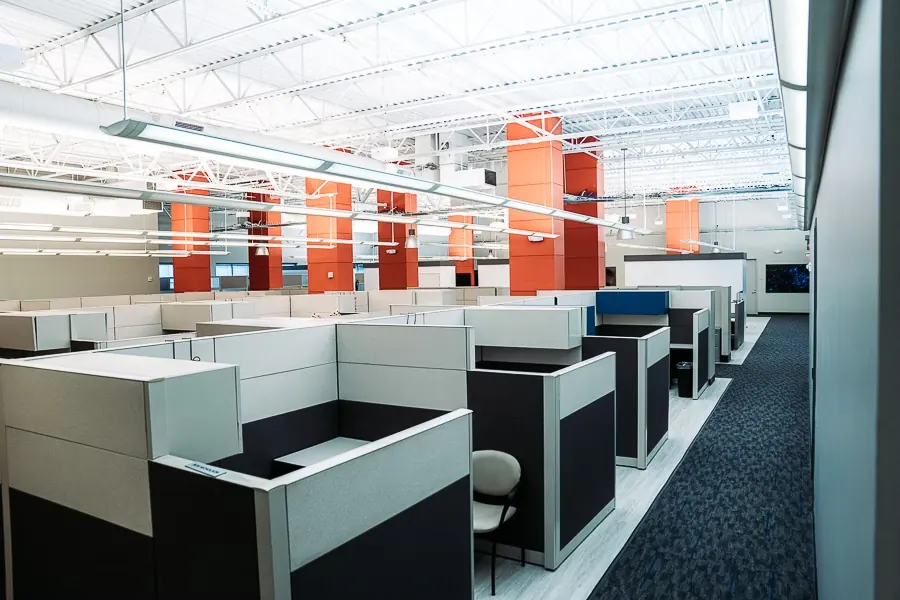
The Evolution of Coworking Spaces Since Remote Work
The rise of remote work has significantly reshaped the landscape of how we perceive and utilize coworking spaces. As businesses and individuals alike have adapted to a more flexible working environment, coworking spaces have evolved to meet these new demands. In this article, we will explore the journey of coworking spaces since the surge in remote work, their transformation, benefits, challenges, and what the future holds.
The Emergence of Coworking Spaces

Coworking spaces began to gain popularity in the late 2000s as entrepreneurs and freelancers sought alternatives to traditional office settings. These spaces provided a collaborative environment that fostered creativity and networking. The initial concept was simple: shared workspaces where individuals from different professional backgrounds could work independently while enjoying communal resources.
The Impact of Remote Work on Coworking Spaces
The COVID-19 pandemic accelerated the adoption of remote work, prompting many businesses to rethink their office strategies. As remote work became the norm, coworking spaces had to pivot quickly to cater to this change. Here are some of the key impacts:
1. Increased Demand for Flexible Workspaces
As employees transitioned to remote work, many found themselves seeking a balance between home and office environments. Coworking spaces offered a solution with flexible membership plans that allowed individuals to choose how often they wanted to work outside their home. This flexibility became a crucial selling point for coworking providers.
2. Enhanced Technology Infrastructure
With remote teams relying heavily on technology for communication and collaboration, coworking spaces invested in enterprise-grade technology infrastructure. High-speed internet, advanced conferencing tools, and tech support became essential features that attracted remote workers and businesses.
3. A Focus on Health and Safety
The pandemic heightened awareness of health and safety, leading coworking spaces to implement rigorous cleaning protocols, social distancing measures, and capacity limits. Many spaces reconfigured layouts to ensure a safe working environment while retaining a community feel.
The Transformation of Coworking Spaces
As remote work solidified its place in the workforce, coworking spaces underwent a transformation in their offerings and services. This evolution can be categorized into several key areas:
1. Diversified Workspaces
Modern coworking spaces now offer a variety of workspace options, from hot desks to private offices, catering to different preferences and needs. This diversification allows individuals and teams to choose an environment that best suits their work style.
2. Professional Podcast and Video Production Studios
With the rise of content creation and digital marketing, coworking spaces are increasingly providing professional podcast and video production studios. These facilities allow creators to produce high-quality content without needing to invest in expensive equipment.
3. Community Engagement and Networking
To foster a sense of belonging, coworking spaces have enhanced their community engagement efforts. Regular networking events, workshops, and social gatherings encourage collaboration and relationship-building among members.
Benefits of Coworking Spaces in the Remote Work Era
As the work landscape continues to evolve, coworking spaces offer numerous benefits for remote workers and businesses:
1. Cost-Effective Solutions
Renting a traditional office space can be prohibitively expensive for startups and freelancers. Coworking spaces provide a more affordable alternative, allowing individuals to access professional amenities without the financial burden.
2. Increased Productivity
Working from home can lead to distractions, making it challenging to maintain productivity. Coworking spaces offer a dedicated work environment that can enhance focus and efficiency.
3. Access to Resources and Support
Coworking spaces often provide access to resources such as meeting rooms, office supplies, and administrative support. This infrastructure enables businesses and freelancers to operate seamlessly.
Challenges Faced by Coworking Spaces
Despite their benefits, coworking spaces also face challenges in the remote work era:
1. Competition
With the growing popularity of coworking spaces, competition has intensified. Providers must differentiate themselves through unique offerings and exceptional service to attract and retain members.
2. Maintaining Community
As remote work continues, fostering a sense of community can be challenging. Coworking spaces need to implement strategies to keep members engaged and connected.
3. Adapting to Changing Needs
The needs of remote workers are constantly evolving. Coworking spaces must stay attuned to these changes and adapt their services accordingly to remain relevant.
The Future of Coworking Spaces
As we look to the future, coworking spaces are poised for continued growth and innovation. Here are some trends to watch:
1. Hybrid Work Models
The future of work is likely to involve a hybrid model, where employees split their time between remote work and in-office collaboration. Coworking spaces can play a vital role in facilitating this arrangement.
2. Sustainability Initiatives
As environmental concerns grow, coworking spaces are expected to implement sustainability initiatives, such as eco-friendly building practices and reducing waste.
3. Global Expansion
As more individuals embrace remote work, the demand for coworking spaces is expected to expand globally. Providers may explore new markets and opportunities to cater to this growing audience.
Conclusion
The evolution of coworking spaces since the rise of remote work reflects a broader shift in how we approach work and collaboration. By embracing flexibility, technology, and community, coworking spaces have adapted to meet the needs of modern professionals. As we move forward, these spaces will continue to play a vital role in shaping the future of work.
FAQ
1. What are coworking spaces?
Coworking spaces are shared work environments where individuals from different professional backgrounds can work independently while enjoying communal resources.
2. How has remote work impacted coworking spaces?
Remote work has increased the demand for flexible workspaces, leading coworking spaces to enhance their technology infrastructure and focus on health and safety measures.
3. What amenities do coworking spaces typically offer?
Coworking spaces often provide options such as hot desks, private offices, meeting rooms, high-speed internet, and communal areas for networking.
4. Are coworking spaces suitable for startups?
Yes, coworking spaces are often startup-friendly, offering cost-effective solutions and access to resources that can support business growth.
5. How do coworking spaces foster community?
Coworking spaces foster community through regular networking events, workshops, and social gatherings that encourage collaboration among members.
6. What challenges do coworking spaces face?
Coworking spaces face challenges such as increased competition, maintaining community engagement, and adapting to changing member needs.
7. What is the future of coworking spaces?
The future of coworking spaces may involve hybrid work models, sustainability initiatives, and global expansion to meet the growing demand.
8. How can I find a coworking space near me?
You can search online for coworking spaces in your area, read reviews, and visit potential locations to find the best fit for your needs.