Startup Offices in 2030: What the Future Looks Like
As we approach the end of the third decade of the 21st century, the landscape of startup offices is evolving at an unprecedented pace. With rapid advancements in technology, shifting work cultures, and an ever-growing emphasis on collaboration and innovation, the startup offices of 2030 promise to be not only functional spaces but also hubs of creativity and community. In this article, we will explore the major trends and transformations that are shaping startup offices, the role of technology, and how the workspace environment will influence employee productivity and well-being.
The Evolution of the Startup Office
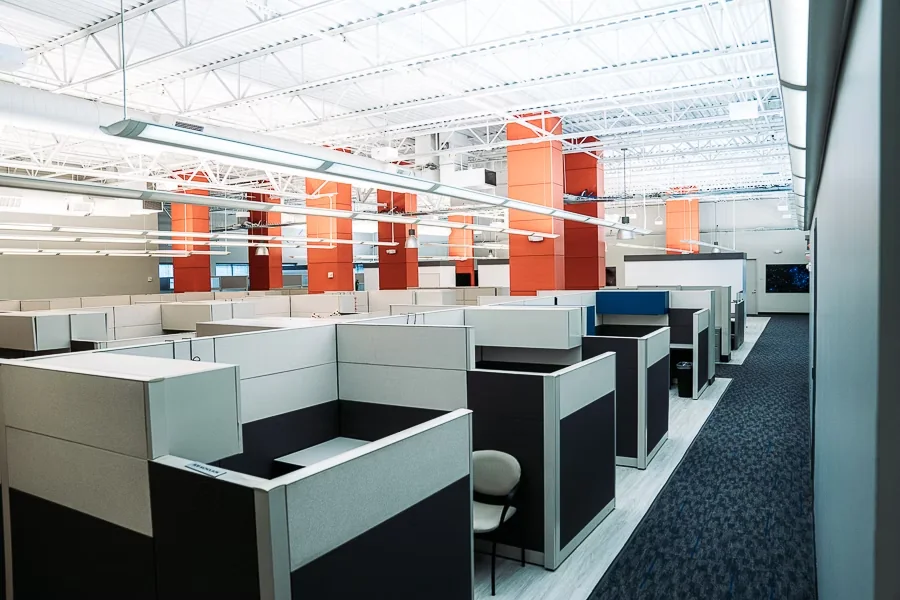
Over the past few years, we’ve witnessed a significant transformation in the way startups design their office spaces. Traditional cubicles and closed-door offices are making way for open layouts, collaborative workspaces, and flexible environments that encourage interaction and creativity. As we look ahead to 2030, several key trends are emerging that will continue to redefine startup offices.
1. Emphasis on Flexibility and Adaptability
The future of work is increasingly leaning towards flexibility. Startups in 2030 will likely adopt dynamic office designs that can easily adapt to changing team sizes and project needs. Modular furniture, movable walls, and multipurpose spaces will allow organizations to reconfigure their environments quickly. This flexibility will enable startups to scale efficiently, accommodating fluctuating staff levels and promoting a more agile work culture.
2. The Rise of Hybrid Work Models
The COVID-19 pandemic has accelerated the adoption of remote work, and this trend is expected to continue into 2030. Startups will increasingly embrace hybrid work models, combining remote and in-office work. Office spaces will be designed with this duality in mind, providing areas for collaboration and team-building while also ensuring that remote workers can participate seamlessly through advanced technology.
3. Integration of Technology
Technology will play a vital role in shaping startup offices in 2030. With the proliferation of artificial intelligence (AI), the Internet of Things (IoT), and augmented reality (AR), workspaces will be equipped with smart systems that enhance productivity and improve employee experiences. AI-driven analytics will help optimize space usage, while AR can facilitate virtual meetings and collaborative projects, bridging the gap between in-office and remote employees.
4. Sustainability and Eco-Friendly Design
As environmental concerns continue to rise, sustainability will become a core focus for startups in 2030. Eco-friendly office designs will prioritize energy efficiency, reduced waste, and the use of sustainable materials. Green certifications and biophilic design elements, such as indoor gardens and natural lighting, will not only create healthier work environments but also align with the values of socially-conscious consumers and employees.
The Role of Community and Collaboration
In 2030, the startup office will be more than just a place to work; it will be a community hub that fosters collaboration and innovation. Startups will focus on building environments that promote social interaction and networking among employees, clients, and other businesses.
1. Collaborative Spaces
Dedicated collaborative spaces, such as brainstorming rooms, lounges, and coffee bars, will be integral to startup offices. These areas will encourage spontaneous interactions and idea sharing, leading to innovative solutions and creative problem-solving. By designing spaces that facilitate collaboration, startups can harness the collective intelligence of their teams and foster a culture of innovation.
2. Networking and Events
Startup offices will also serve as venues for networking events, workshops, and seminars. By hosting regular community-building events, startups can strengthen their ties within the local business ecosystem and create opportunities for collaboration and partnership. This focus on networking will help startups thrive in an increasingly competitive landscape.
Employee Well-being and Mental Health
As the importance of mental health and employee well-being grows, startup offices in 2030 will prioritize creating environments that support a healthy work-life balance. This emphasis will be reflected in various design elements and office policies.
1. Wellness Spaces
Designated wellness areas, such as meditation rooms, fitness centers, and quiet zones, will be commonplace in startup offices. These spaces will provide employees with opportunities to recharge, relax, and maintain their mental health during the workday. Additionally, incorporating natural elements and providing access to outdoor spaces will further enhance employee well-being.
2. Focus on Work-Life Balance
Startups will implement policies that encourage a healthy work-life balance, such as flexible working hours and unlimited vacation days. By fostering a culture that values employee well-being, startups can boost productivity and employee satisfaction, ultimately leading to higher retention rates.
Preparing for the Future: What Startups Should Consider
As we look ahead to 2030, there are several key considerations that startups should keep in mind when designing their office spaces.
1. Invest in Technology
Startups should prioritize investing in enterprise-grade technology infrastructure to support their evolving needs. This includes high-speed internet, collaboration tools, and smart office systems that enhance efficiency and productivity.
2. Foster a Culture of Innovation
Encouraging a culture of innovation should be a top priority for startups. This can be achieved through regular brainstorming sessions, hackathons, and by providing employees with the resources and support they need to pursue their ideas.
3. Design for Diversity and Inclusion
Startup offices should be designed with diversity and inclusion in mind. This includes creating spaces that accommodate employees with different needs and preferences, ensuring that everyone feels welcome and included in the workplace.
Conclusion
The startup offices of 2030 will be dynamic, innovative, and community-focused environments that prioritize flexibility, technology, and employee well-being. By embracing these trends and creating spaces that foster collaboration and creativity, startups can position themselves for success in an ever-evolving business landscape. As we move forward, it is essential for startups to adapt their office designs to meet the needs of their teams and the demands of the future.
Frequently Asked Questions (FAQ)
1. What are the key features of startup offices in 2030?
Startup offices in 2030 will emphasize flexibility, collaboration, technology integration, sustainability, and employee well-being.
2. How will technology influence startup office design?
Technology will enhance productivity through smart systems, AI-driven analytics, and tools that facilitate remote collaboration.
3. What role does community play in startup offices of the future?
Community will be central to startup offices, fostering networking, collaboration, and social interaction among employees and local businesses.
4. How will startups support employee well-being in 2030?
Startups will create wellness spaces, promote work-life balance, and implement policies that prioritize mental health.
5. What design elements will promote collaboration in startup offices?
Collaborative spaces, such as lounges, brainstorming rooms, and coffee bars, will encourage spontaneous interactions among employees.
6. Why is sustainability important for startup offices in 2030?
Sustainability aligns with consumer values, reduces environmental impact, and creates healthier work environments for employees.
7. How can startups ensure a diverse and inclusive office design?
Startups can create spaces that accommodate different needs and preferences, fostering an inclusive environment for all employees.
8. What should startups consider when designing their office spaces for the future?
Startups should invest in technology, foster a culture of innovation, and prioritize flexibility to meet their evolving needs.