

The Future of Startup Collaboration Spaces: Innovating Together for Success
As the startup ecosystem continues to evolve, collaboration spaces have become essential for fostering innovation, creativity, and productivity among entrepreneurs. These environments are not just about providing a desk and Wi-Fi; they are about creating a dynamic community that nurtures partnerships and propels business growth. In this article, we will explore the future of startup collaboration spaces, examining the trends, technologies, and strategies that will redefine how startups operate and collaborate.
The Rise of Collaboration Spaces
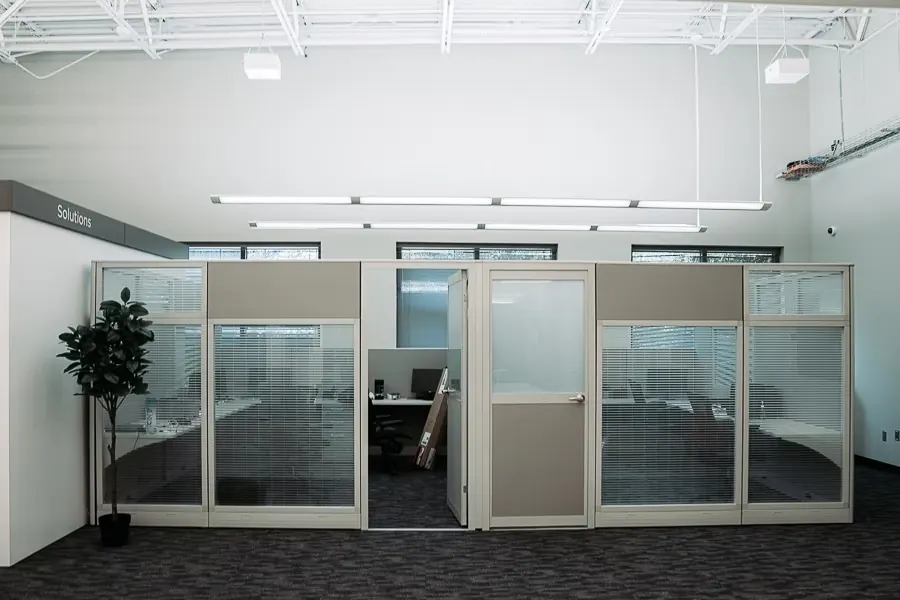
Collaboration spaces have gained immense popularity over the past decade. With the increase in remote work and the gig economy, entrepreneurs are seeking flexible, cost-effective solutions that allow them to connect and collaborate with like-minded individuals. According to a report by Global Workspace Analytics, by 2025, 70% of the workforce will work remotely at least five days a month.
Understanding Collaboration Spaces
Collaboration spaces, often referred to as coworking spaces, are environments designed to encourage interaction among professionals from various sectors. They provide not only physical workspace but also networking opportunities, resources, and support systems that are crucial for startups.
Key Features of Modern Collaboration Spaces
As we look toward the future, several key features will define the next generation of startup collaboration spaces:
1. Flexible Membership Plans
Modern collaboration spaces will offer flexible membership options that cater to the varying needs of startups. Whether it’s a hot desk for a day or a dedicated office for a year, flexibility will be paramount.
2. Advanced Technology Infrastructure
In an increasingly digital world, robust technological infrastructure will be critical. High-speed internet, video conferencing tools, and cloud storage solutions will be standard offerings to facilitate seamless collaboration.
3. Integrated Podcast and Video Production Studios
With the rise of content creation, collaboration spaces will incorporate professional podcast and video production studios. These facilities will enable startups to create high-quality content, enhancing their brand presence and outreach.
4. Community-Building Activities
Community engagement will be at the heart of collaboration spaces. Regular networking events, workshops, and business seminars will foster relationships and create opportunities for collaboration among members.
Emerging Trends in Startup Collaboration
Several trends are emerging that will shape the future of startup collaboration spaces:
1. Sustainability and Eco-Friendly Practices
As environmental concerns grow, startups are increasingly prioritizing sustainability. Future collaboration spaces will likely implement eco-friendly practices, such as energy-efficient designs, recycling programs, and green office supplies.
2. Health and Wellness Focus
Wellness will be a growing focus within collaboration spaces. Incorporating wellness programs, ergonomic furniture, and quiet zones will cater to the holistic needs of entrepreneurs.
3. Diversity and Inclusion
Creating an inclusive environment will be crucial for fostering innovation. Future collaboration spaces will prioritize diversity in their member base and promote inclusive programming that supports underrepresented entrepreneurs.
4. Virtual Collaboration Tools
As remote work continues to be prevalent, integration with virtual collaboration tools will be essential. Spaces that incorporate augmented reality (AR) and virtual reality (VR) for collaboration will enhance the remote working experience.
The Role of Community in Startup Success
Community is a critical component of startup collaboration spaces. A strong network can lead to mentorship, partnerships, and even investment opportunities. Startups that engage with their community are more likely to succeed.
Building a Network
Collaboration spaces provide a unique opportunity to build a network. Regular events and meetups can help startups connect with potential investors, partners, and customers, fostering an ecosystem of support.
Case Studies of Successful Collaboration Spaces
Let’s take a look at a few case studies of successful collaboration spaces that exemplify the future of startup collaboration.
1. WeWork
WeWork has revolutionized coworking by creating a global network of spaces that cater to startups and freelancers. Their focus on community-building and networking events has made them a leader in the industry.
2. Impact Hub
Impact Hub focuses on social entrepreneurship and sustainability. Their spaces are designed to foster collaboration among startups that are dedicated to making a positive impact, showcasing the future direction of collaboration spaces.
Challenges Facing Collaboration Spaces
Despite the many advantages, collaboration spaces face challenges that must be addressed for future success:
1. Competition
The rise of collaboration spaces has led to increased competition. Providers must differentiate themselves through unique offerings and community engagement.
2. Maintaining Community
As membership grows, maintaining a sense of community can be challenging. Spaces must ensure that they continue to foster meaningful connections among members.
Conclusion
The future of startup collaboration spaces is bright, with endless possibilities for innovation and growth. By embracing flexibility, advanced technology, and community engagement, these environments will continue to be vital for startups looking to thrive in a competitive landscape. As we move forward, collaboration spaces will not only provide a place to work but will also serve as incubators for ideas, partnerships, and success.
FAQ
1. What are collaboration spaces?
Collaboration spaces, or coworking spaces, are shared work environments designed for professionals from various sectors to work together, network, and collaborate.
2. How do collaboration spaces benefit startups?
They provide flexible workspace options, access to resources, networking opportunities, and a supportive community, all of which are crucial for startup success.
3. What trends are shaping the future of collaboration spaces?
Key trends include sustainability, health and wellness focus, diversity and inclusion, and the integration of virtual collaboration tools.
4. Are collaboration spaces suitable for remote workers?
Yes, collaboration spaces are ideal for remote workers seeking a professional environment, networking opportunities, and access to resources.
5. How can startups leverage community in collaboration spaces?
By engaging in community events, networking, and collaborating with other startups, entrepreneurs can gain valuable insights, mentorship, and potential partnerships.
6. What role does technology play in modern collaboration spaces?
Technology is critical in providing the infrastructure for seamless communication, collaboration, and access to digital resources.
7. How do I choose the right collaboration space for my startup?
Consider factors such as location, amenities, community engagement, and membership flexibility when selecting a collaboration space.
8. What is the future of coworking spaces?
The future of coworking spaces will likely involve enhanced technology, a focus on wellness, and more community-driven initiatives to support startup growth.