Why Flexible Offices Are Dominating the Future of Work
The world of work is evolving at an unprecedented pace, driven by technological advancements, changing workforce demographics, and shifting employee expectations. Among the myriad of trends transforming the workplace landscape, flexible offices are emerging as a dominant force. This article explores the reasons behind this shift, the benefits of flexible office spaces, and how they are reshaping the future of work.
The Rise of Flexible Offices
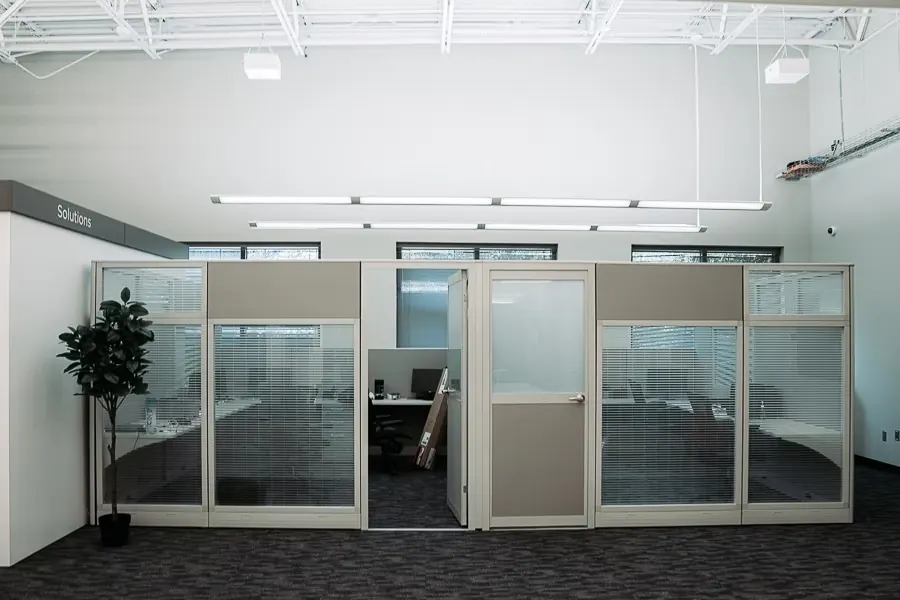
In recent years, the traditional office model has been challenged by the demand for more adaptable work environments. Factors such as remote work, the gig economy, and the desire for work-life balance have paved the way for flexible offices. These spaces offer a range of options, from private offices to coworking spaces, catering to various business needs.
The Impact of Remote Work
The COVID-19 pandemic accelerated the adoption of remote work, forcing companies to rethink their office strategies. As employees experienced the benefits of working from home, many organizations recognized the potential of flexible office solutions. This shift not only enhances productivity but also reduces overhead costs associated with maintaining a large, permanent office.
Changing Workforce Demographics
Today’s workforce is diverse, comprising millennials and Gen Z, who prioritize flexibility and work-life balance. These generations seek environments that foster collaboration and creativity while allowing them to maintain control over their work schedules. Flexible offices cater to these preferences, providing a dynamic setting that appeals to modern workers.
Benefits of Flexible Office Spaces
Flexible office spaces offer numerous advantages for businesses and employees alike. Here are some key benefits that contribute to their growing popularity:
1. Cost Efficiency
One of the most significant advantages of flexible offices is cost efficiency. Companies can save on rent, utilities, and maintenance by opting for shared spaces. Flexible membership plans also allow businesses to scale up or down as needed, reducing financial strain during uncertain times.
2. Enhanced Collaboration
Flexible offices encourage collaboration among employees from different companies and industries. The diverse environment fosters networking opportunities, creativity, and innovation, which can lead to new partnerships and ideas.
3. Access to Modern Amenities
Many flexible office spaces come equipped with enterprise-grade technology infrastructure, high-speed internet, meeting rooms, and professional production studios. These amenities enhance productivity and provide businesses with the resources they need to thrive.
4. Improved Work-Life Balance
Flexible offices often allow employees to choose their working hours and locations, promoting a healthier work-life balance. This flexibility can lead to increased job satisfaction, reduced stress levels, and improved overall well-being.
5. Support for Startups
Startup-friendly ecosystems are a hallmark of flexible office spaces. These environments provide budding entrepreneurs with the resources, networking opportunities, and mentorship they need to succeed. Many flexible offices host startup events, workshops, and networking sessions that foster innovation and growth.
How Flexible Offices Are Reshaping the Future of Work
The rise of flexible office spaces is not just a trend; it signifies a fundamental shift in how we approach work. Here’s how flexible offices are reshaping the future of work:
1. Redefining Workplace Culture
Flexible offices are transforming workplace culture by promoting inclusivity and collaboration. As employees from various backgrounds come together, diverse ideas and perspectives flourish, fostering a culture of innovation.
2. Emphasizing Employee Well-Being
As companies become more aware of the importance of mental health and well-being, flexible office spaces offer an environment that prioritizes employee needs. This focus on well-being translates to higher productivity and lower turnover rates.
3. Adapting to Technological Advancements
Flexible offices are often at the forefront of technological innovation. With access to state-of-the-art equipment and infrastructure, businesses can leverage technology to enhance workflow and efficiency.
4. Encouraging Sustainability
Flexible office spaces are often designed with sustainability in mind. By sharing resources and reducing the need for large office spaces, these environments contribute to a greener future.
Conclusion
As the future of work continues to evolve, flexible offices are poised to play a crucial role in shaping workplace dynamics. With their numerous benefits, from cost efficiency to enhanced collaboration, it’s clear that flexible office spaces are not just a passing trend but a fundamental shift in how we work. Embracing this new model can lead to a more productive, innovative, and fulfilling work experience for employees and businesses alike.
Frequently Asked Questions
1. What are flexible offices?
Flexible offices are workspaces that offer various options for businesses, including private offices, coworking spaces, and meeting rooms, allowing for customizable work environments.
2. How do flexible offices save costs?
Flexible offices reduce overhead costs by providing shared resources, allowing businesses to pay only for the space and amenities they need, which can be scaled as required.
3. Who benefits from flexible office spaces?
Flexible office spaces benefit startups, freelancers, remote workers, and established companies looking for adaptable work environments that promote collaboration and innovation.
4. How do flexible offices enhance collaboration?
By bringing together diverse professionals from various industries, flexible offices create opportunities for networking, idea sharing, and collaboration, fostering innovation.
5. What amenities do flexible offices typically offer?
Flexible offices often provide high-speed internet, meeting rooms, professional production studios, and other modern amenities to support productivity.
6. Can flexible offices help with work-life balance?
Yes, flexible offices allow employees to choose their working hours and locations, promoting better work-life balance and overall well-being.
7. Are flexible offices suitable for large companies?
Yes, many flexible office spaces cater to large companies by offering enterprise-grade technology infrastructure and customizable workspace solutions.
8. How do flexible offices contribute to sustainability?
Flexible offices reduce the need for large, permanent office spaces, promoting resource sharing and environmentally friendly practices, contributing to sustainability efforts.
More on this topic