
The Future of Office Spaces in the AI Economy
The landscape of office spaces is undergoing a profound transformation as we venture further into the AI economy. With advancements in artificial intelligence and machine learning, the way we work, interact, and utilize office environments is being redefined. This article will explore how AI is shaping the future of office spaces, the implications for businesses and employees, and what this means for the modern workplace.
The Rise of AI in the Workplace
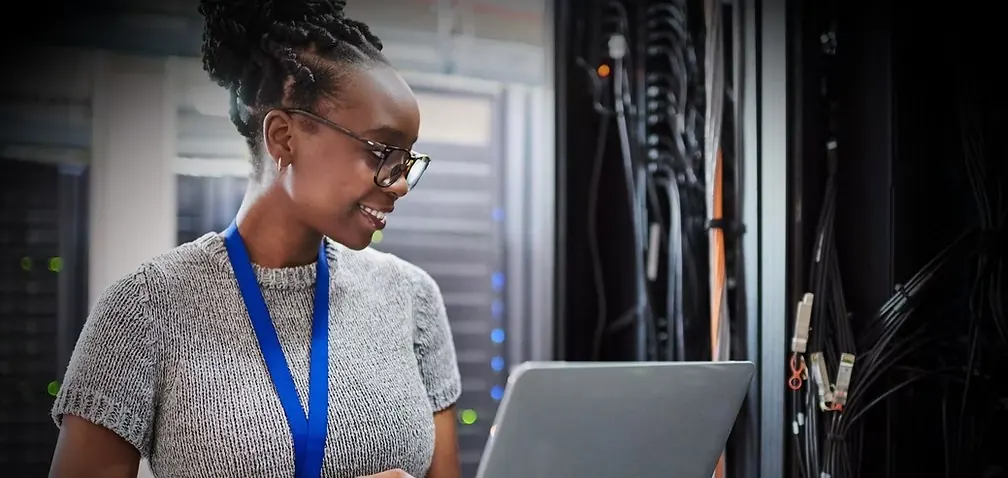
Artificial intelligence has already started to revolutionize various sectors, and the workplace is no exception. From automation of mundane tasks to sophisticated data analysis, AI technologies are enhancing productivity and efficiency. In the context of office spaces, AI is not only changing the tools we use but also influencing the design and functionality of the spaces themselves.
Automation and Efficiency
One of the most significant impacts of AI in the workplace is automation. Routine tasks that once consumed employees’ time can now be handled by AI systems, allowing workers to focus on more strategic initiatives. This shift leads to a demand for office spaces that support collaborative work and creativity, rather than just individual tasks. Modern office designs, such as those offered by World Park, are adapting to these new needs with flexible workspaces and collaborative environments.
Data-Driven Decision Making
AI enables businesses to gain insights from vast amounts of data, leading to more informed decision-making. Offices equipped with AI tools can analyze employee productivity, space utilization, and operational efficiency. This data allows companies to optimize their office layouts and amenities, ensuring that they cater to the needs of their workforce. For instance, coworking spaces like World Park leverage data analytics to create environments that foster innovation and collaboration.
The Evolution of Office Design
As AI continues to influence the workplace, office design is evolving to accommodate new working styles and preferences. The traditional cubicle setup is gradually being replaced by open layouts, collaborative zones, and multifunctional spaces.
Flexible Workspaces
The rise of remote work and hybrid working models has accelerated the demand for flexible workspaces. Companies are moving away from long-term leases and investing in coworking environments that provide adaptability. World Park exemplifies this trend by offering flexible membership plans that cater to startups and established enterprises alike. These spaces are designed to foster collaboration and creativity, essential components of the AI-driven economy.
Smart Office Technology
Smart office technology is becoming an integral part of modern office spaces. Features such as IoT devices, AI-driven analytics, and automated systems enhance the functionality of workplaces. For example, AI can manage lighting, temperature, and even security based on real-time data, creating an optimal work environment for employees. This level of technological integration is essential for businesses looking to thrive in the AI economy.
The Role of Collaborative Spaces
Collaboration is key in an AI-driven economy. As businesses increasingly rely on teamwork and innovation, the need for collaborative spaces within offices has never been more critical. These environments encourage brainstorming, creativity, and problem-solving.
Innovation Hubs
Innovation hubs are spaces within offices designed specifically for collaboration and creativity. These areas are equipped with the necessary tools for brainstorming sessions, workshops, and project development. World Park provides such innovation-focused collaborative communities, where entrepreneurs and teams can come together to share ideas and drive progress.
Networking Opportunities
With the rise of the gig economy and freelancing, networking opportunities have become more vital than ever. Office spaces that promote networking through events and community engagement can significantly impact business growth. World Park regularly hosts startup-friendly events that facilitate connections among professionals, fostering a sense of community that is essential in an AI economy.
Challenges and Considerations
While the future of office spaces in the AI economy is promising, there are challenges that businesses must address. These include the need for a skilled workforce, data privacy concerns, and the potential for AI to replace jobs.
Workforce Skill Development
As AI continues to evolve, so does the skill set required by employees. Businesses must invest in training and development programs to equip their workforce with the necessary skills to thrive in an AI-driven environment. This includes promoting digital literacy, critical thinking, and problem-solving abilities.
Ensuring Data Privacy
With the integration of AI and smart technologies in office spaces, data privacy becomes a significant concern. Companies must implement robust data protection measures to safeguard sensitive information. Transparency and compliance with regulations are crucial to maintaining trust among employees and clients.
Conclusion
The future of office spaces in the AI economy is an exciting yet challenging landscape. As businesses adapt to the advancements in technology, the design, functionality, and purpose of office environments will continue to evolve. Embracing flexibility, collaboration, and innovation will be key to thriving in this new era. Companies like World Park are at the forefront of this transformation, offering modern private offices and coworking environments that cater to the needs of businesses and employees alike.
FAQs
1. What is the impact of AI on office spaces?
AI is transforming office spaces by automating tasks, enhancing efficiency, and influencing office design towards more collaborative environments.
2. How are coworking spaces adapting to the AI economy?
Coworking spaces are offering flexible membership plans, innovative design, and community-focused environments that support collaboration and creativity.
3. What are smart office technologies?
Smart office technologies include IoT devices and AI-driven systems that manage various aspects of the workplace, such as lighting, temperature, and security.
4. Why are collaborative spaces important?
Collaborative spaces foster teamwork, creativity, and innovation, which are essential for success in the AI-driven economy.
5. What challenges do businesses face in the AI economy?
Businesses must address challenges such as workforce skill development, data privacy concerns, and the potential for AI to replace jobs.
6. How can companies ensure data privacy in smart offices?
Companies should implement robust data protection measures and comply with regulations to safeguard sensitive information.
7. What role do innovation hubs play in the workplace?
Innovation hubs provide dedicated spaces for brainstorming and collaboration, essential for driving creativity and problem-solving.
8. How can businesses promote networking in office spaces?
Businesses can organize events and foster community engagement to encourage networking among professionals.