
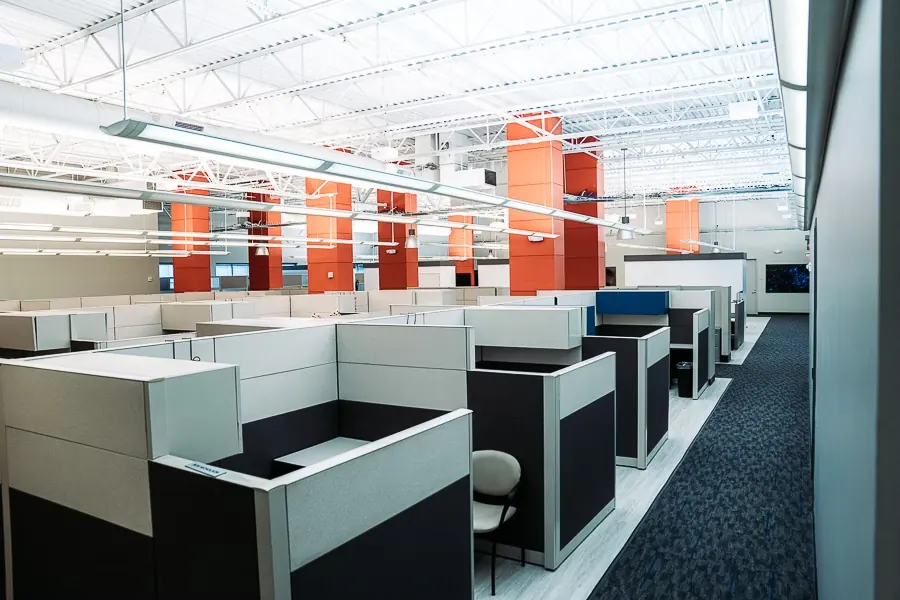
The Rise of Collaborative Workspaces in Tech Cities
In recent years, the landscape of work has dramatically changed, especially in tech cities around the globe. The traditional office setup is giving way to a more dynamic, collaborative workspace model that appeals to startups, freelancers, and established businesses alike. This article explores the rise of collaborative workspaces, examining their benefits, the role of technology, and how they foster innovation in urban environments.
Understanding Collaborative Workspaces
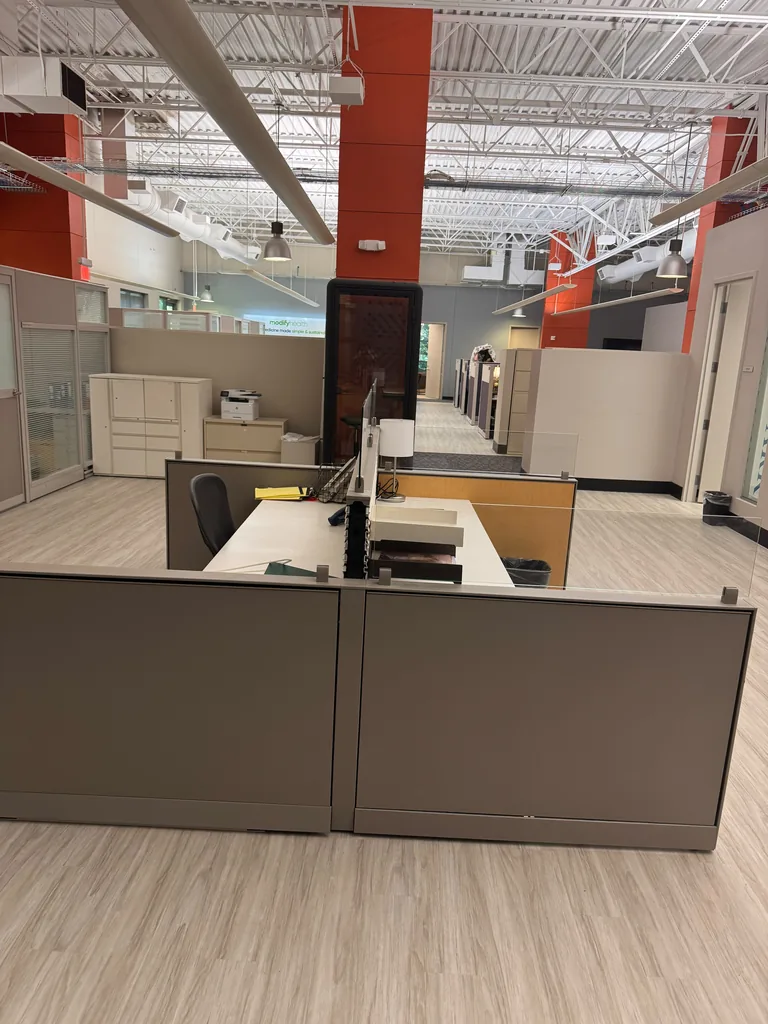
Collaborative workspaces, often referred to as coworking spaces, are shared environments where individuals from different professional backgrounds come together to work. These spaces provide amenities such as high-speed internet, meeting rooms, and communal areas, creating an ecosystem conducive to productivity and networking.
The Evolution of Workspaces
Historically, office spaces were designed for privacy and individual work. However, with the advent of technology and the rise of the gig economy, the demand for flexible and collaborative work environments has surged. This shift has led to the emergence of collaborative workspaces that prioritize community, creativity, and innovation.
The Benefits of Collaborative Workspaces
Collaborative workspaces offer numerous advantages that make them attractive to professionals and businesses alike.
1. Flexibility
One of the most significant benefits of collaborative workspaces is flexibility. Unlike traditional office leases that require long-term commitments, coworking spaces typically offer month-to-month memberships. This flexibility allows businesses to scale up or down based on their needs, making it ideal for startups that may experience rapid growth or changes.
2. Networking Opportunities
Collaborative workspaces foster a sense of community, bringing together individuals from various industries. This diverse environment provides ample networking opportunities, whether it’s through organized events, informal meetups, or simply sharing a coffee in the communal area. Many successful partnerships and collaborations have stemmed from interactions in these settings.
3. Cost-Effectiveness
For startups and freelancers, maintaining a dedicated office space can be costly. Collaborative workspaces eliminate many overhead expenses, such as utilities and office maintenance, allowing professionals to focus their resources on growing their business. Many spaces offer tiered membership plans that cater to different budgets and needs.
4. Access to Amenities
Collaborative workspaces often come equipped with modern amenities, including high-speed internet, conference rooms, and even podcast and video production studios. This access to enterprise-grade technology infrastructure enables members to operate at a professional level without the burden of purchasing and maintaining expensive equipment.
5. Enhanced Productivity
Working alongside motivated individuals can lead to increased productivity. The shared energy and focus in collaborative workspaces often inspire creativity and innovation, making it easier for individuals to stay on task and achieve their goals.
The Role of Technology in Collaborative Workspaces
Technology plays a crucial role in the success of collaborative workspaces. From advanced communication tools to sophisticated booking systems, technology enhances the overall experience for members.
1. Communication Tools
Effective communication is vital in a collaborative environment. Many coworking spaces leverage technology to provide seamless communication channels, allowing members to connect easily, share ideas, and collaborate on projects.
2. Booking Systems
With multiple professionals using shared spaces, efficient booking systems are essential. Many collaborative workspaces utilize apps and software that allow members to reserve desks, meeting rooms, and other resources with ease, enhancing convenience and reducing conflicts.
3. Virtual Workspaces
The rise of remote work has also influenced the design of collaborative workspaces. Many facilities now offer virtual memberships, allowing remote workers to access resources and community benefits without needing a physical presence. This adaptability caters to the evolving needs of the modern workforce.
Innovation and Collaboration in Tech Cities
Tech cities are at the forefront of the collaborative workspace movement. Cities like San Francisco, New York, and Austin have embraced this trend, creating vibrant ecosystems that support innovation and entrepreneurship.
1. Startup-Friendly Ecosystem
Tech cities often provide a supportive environment for startups. Collaborative workspaces play a pivotal role in this ecosystem, offering not only a place to work but also access to mentorship, funding opportunities, and networking events. This nurturing environment helps startups thrive and contribute to the local economy.
2. Events and Workshops
Many collaborative workspaces organize events, workshops, and seminars focused on skill development and industry trends. These events not only enhance the professional growth of individuals but also foster a culture of learning and collaboration among members.
The Future of Collaborative Workspaces
As the demand for flexible work environments continues to grow, the future of collaborative workspaces looks promising. Businesses are increasingly recognizing the value of these spaces, and the trend is expected to expand beyond major tech cities into suburban areas and smaller towns.
1. Sustainability and Wellness
Many new collaborative workspaces are incorporating sustainability into their design and operations. This trend includes using eco-friendly materials, promoting wellness initiatives, and creating environments that prioritize mental health and work-life balance.
2. Continued Innovation
As technology evolves, collaborative workspaces will continue to adapt, integrating new tools and resources to enhance the member experience. Innovations such as AI-driven services, advanced virtual reality collaboration tools, and more will likely shape the future of these spaces.
Conclusion
The rise of collaborative workspaces in tech cities signifies a transformation in how we approach work. These environments promote flexibility, networking, and innovation, making them ideal for the modern workforce. As the trend continues to grow, collaborative workspaces will play an increasingly vital role in shaping the future of work.
FAQ
1. What are collaborative workspaces?
Collaborative workspaces are shared environments where professionals from various industries can work together, offering flexible membership plans and modern amenities.
2. How do collaborative workspaces benefit startups?
They provide cost-effective solutions, networking opportunities, and access to essential resources without the burden of long-term leases.
3. What amenities can I expect in a collaborative workspace?
Most collaborative workspaces offer high-speed internet, meeting rooms, communal areas, and sometimes specialized studios for content creation.
4. Are collaborative workspaces suitable for freelancers?
Yes, they are ideal for freelancers who need a professional environment without the overhead costs of a dedicated office.
5. How do I choose the right collaborative workspace?
Consider factors such as location, amenities, membership plans, and the community culture to find a space that aligns with your needs.
6. Can collaborative workspaces help with networking?
Absolutely! These spaces bring together professionals from diverse backgrounds, fostering networking through events and informal interactions.
7. What is the future of collaborative workspaces?
The future looks promising, with more businesses recognizing their benefits and innovations shaping how they operate.
8. Do collaborative workspaces offer virtual memberships?
Many do, allowing remote workers to access resources and community benefits without needing a physical space.
9. How do I find a collaborative workspace in my area?
You can search online for coworking spaces, read reviews, and visit different locations to find the best fit for you.
10. Are collaborative workspaces focused on sustainability?
Many new collaborative workspaces are incorporating sustainable practices into their design and operations, promoting environmental responsibility.