

Why Modern Businesses Need Flexible Offices
In today’s rapidly evolving business landscape, the traditional office setup is becoming increasingly obsolete. Modern businesses are recognizing the need for flexibility in their workspace to adapt to the dynamic nature of their operations and workforce. Flexible offices not only cater to the diverse needs of employees but also promote productivity, collaboration, and innovation. In this article, we will explore the reasons why modern businesses need flexible offices and how these spaces can significantly enhance their operational efficiency.
The Evolution of Workspaces
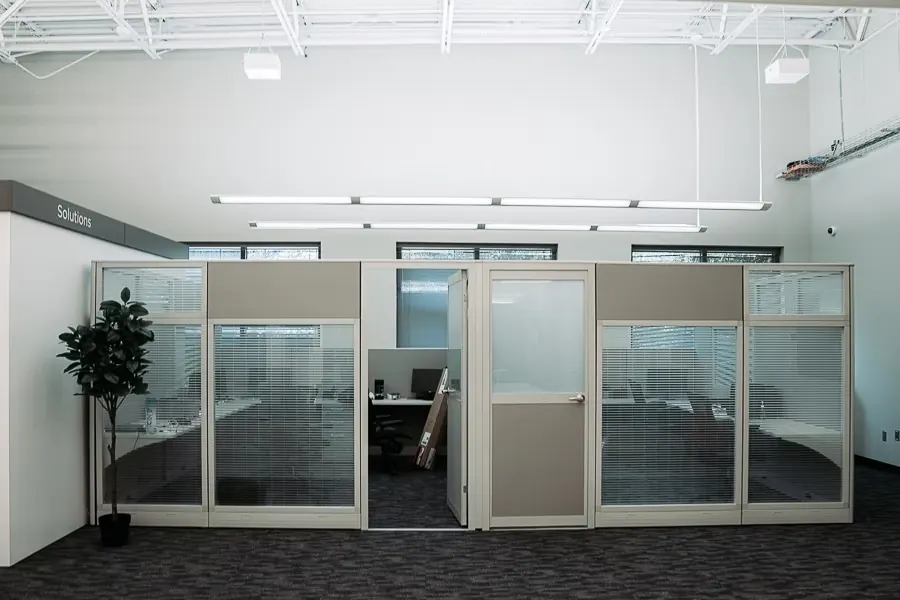
Over the last few decades, the concept of workspaces has undergone a significant transformation. The rise of technology, globalization, and the gig economy has shifted how and where we work. Traditional cubicles and fixed office spaces are no longer conducive to the needs of a modern workforce that values mobility and flexibility. Businesses are now seeking solutions that allow them to scale operations, accommodate remote workers, and foster a culture of collaboration.
Benefits of Flexible Offices
1. Enhanced Productivity
Flexible offices allow employees to choose their workspace according to their preferences, which can lead to increased productivity. Open layouts, collaborative spaces, and quiet zones provide options for different tasks, whether it’s brainstorming in a group or focusing on individual work. Studies have shown that employees are more productive when they have control over their work environment.
2. Cost-Effectiveness
For many businesses, especially startups, the overhead costs of maintaining a traditional office can be daunting. Flexible offices offer scalable solutions, allowing companies to pay only for the space they need, when they need it. This adaptability can lead to significant cost savings, enabling businesses to allocate resources more effectively.
3. Attraction and Retention of Talent
Modern employees prioritize work-life balance and flexible working conditions. Flexible offices can serve as a major attraction for top talent. Companies that offer a variety of working environments and flexible hours are more likely to retain their employees, reducing turnover rates and associated hiring costs.
4. Promoting Collaboration and Innovation
Flexible offices are designed to foster collaboration and innovation. By providing spaces that encourage teamwork, businesses can enhance the flow of ideas and creativity among their employees. Collaboration zones, breakout areas, and event spaces can facilitate networking and brainstorming sessions, leading to innovative solutions and products.
5. Adaptability to Changing Needs
The business environment is constantly changing, and companies must be agile to survive. Flexible offices allow businesses to adjust their workspace according to their current needs. Whether it’s a sudden increase in staff or the need for more meeting rooms, flexible office solutions can easily accommodate these changes without the lengthy process of relocating.
Types of Flexible Office Solutions
1. Coworking Spaces
Coworking spaces have gained immense popularity in recent years. These shared office environments foster a sense of community and collaboration among diverse professionals. They offer various membership plans, allowing businesses to choose how often they use the space, which can be particularly beneficial for freelancers and startups.
2. Private Offices
For companies that require more privacy, modern flexible offices offer private office spaces that can be rented on a short-term basis. These spaces provide the necessary confidentiality for sensitive meetings while still benefiting from the collaborative atmosphere of a larger office environment.
3. Virtual Offices
Virtual offices provide businesses with a professional address and phone number without the need for a physical workspace. This solution is ideal for remote teams or those wishing to expand their presence in multiple locations without significant overhead costs.
4. Meeting Rooms
Flexible office providers often offer on-demand meeting rooms equipped with the latest technology. Businesses can book these spaces as needed, ensuring they always have access to a professional environment for client meetings and presentations.
Implementing Flexible Office Solutions
Transitioning to a flexible office model requires careful planning and consideration. Here are some steps to successfully implement flexible office solutions:
1. Assess Your Needs
Before making any changes, it’s essential to assess your business’s unique needs. Consider the size of your team, the nature of your work, and how often you require office space. This assessment will help you choose the right flexible office solution.
2. Choose the Right Location
The location of your flexible office is crucial. Look for spaces that are easily accessible for your employees and clients. Proximity to public transport and amenities can enhance the overall experience for your team.
3. Foster a Collaborative Culture
Transitioning to a flexible office requires a cultural shift within the organization. Encourage open communication, collaboration, and the sharing of ideas among employees to maximize the benefits of a flexible workspace.
4. Invest in Technology
To support a flexible office model, invest in enterprise-grade technology infrastructure. High-speed internet, video conferencing tools, and collaboration software are essential to ensure seamless communication and productivity.
Conclusion
The need for flexible offices in modern businesses cannot be overstated. With the right approach, flexible workspaces can lead to enhanced productivity, cost savings, and a more satisfied workforce. As the nature of work continues to evolve, embracing flexible office solutions will be key to staying competitive in the marketplace.
FAQs
1. What are flexible offices?
Flexible offices are adaptable workspaces that can be modified to meet the changing needs of businesses. They include coworking spaces, private offices, and virtual offices.
2. How do flexible offices enhance productivity?
They provide employees with a choice in their work environment, allowing them to select spaces that suit their work style, which can lead to increased focus and efficiency.
3. Are flexible offices cost-effective?
Yes, flexible offices allow businesses to pay only for the space they need and can help reduce overhead costs associated with maintaining a traditional office.
4. Can startups benefit from flexible offices?
Absolutely! Flexible offices provide startups with the resources and networking opportunities they need to grow without the burden of high fixed costs.
5. What types of flexible office solutions are available?
Common flexible office solutions include coworking spaces, private offices, virtual offices, and meeting rooms available for on-demand booking.
6. How can businesses implement flexible office solutions?
Businesses should assess their needs, choose the right location, foster a collaborative culture, and invest in technology to successfully implement flexible office solutions.
7. Do flexible offices support remote work?
Yes, flexible offices are an excellent solution for remote workers, providing them with access to professional environments when needed.
8. What role does technology play in flexible offices?
Technology is crucial in flexible offices, enabling seamless communication and collaboration among employees, regardless of their location.
9. Are flexible offices suitable for large enterprises?
Yes, many flexible office providers offer solutions tailored to the needs of large enterprises, including dedicated office spaces and advanced technology infrastructure.
10. How do flexible offices promote networking?
Flexible office environments often host community events and workshops, providing opportunities for professionals to connect and collaborate with one another.
- Office Space Alpharetta | Flexible Private & Team Offices
- Customizable Office Space | All Membership Flexible Contracts and Alpharetta Business Address Included
- The ROI of Flexible Work: How Companies Save Money with Hybrid Arrangements
- Essential Strategies to Get Your First 100 Customers Without a Marketing Budget