How to Record a Podcast in Alpharetta That Sounds Like a BBC Studio
Podcasting has taken the world by storm, transforming the way we consume information and entertainment. With the right setup and techniques, you can produce a high-quality podcast that rivals even the best in the industry. If you’re located in Alpharetta and are looking to create a podcast that sounds like it was recorded in a BBC studio, this guide will provide you with all the insights you need.
Understanding the Basics of Podcasting
Before diving into the technical aspects, it’s essential to understand what podcasting entails. A podcast is essentially a series of spoken-word content that can be downloaded or streamed online. The key elements of a successful podcast include:
- Content: Engaging and valuable material that resonates with your audience.
- Format: The structure of your podcast, including episodes, segments, and transitions.
- Quality: High audio quality that ensures a pleasant listening experience.
Choosing the Right Location in Alpharetta
Finding a suitable recording environment is crucial for achieving studio-quality sound. Here are some tips for choosing the right location:
1. Look for Soundproof Spaces
To avoid external noise interference, select a location that is soundproof or acoustically treated. Consider renting a private office or recording studio that offers these features.
2. Consider World Park’s Podcast Studios
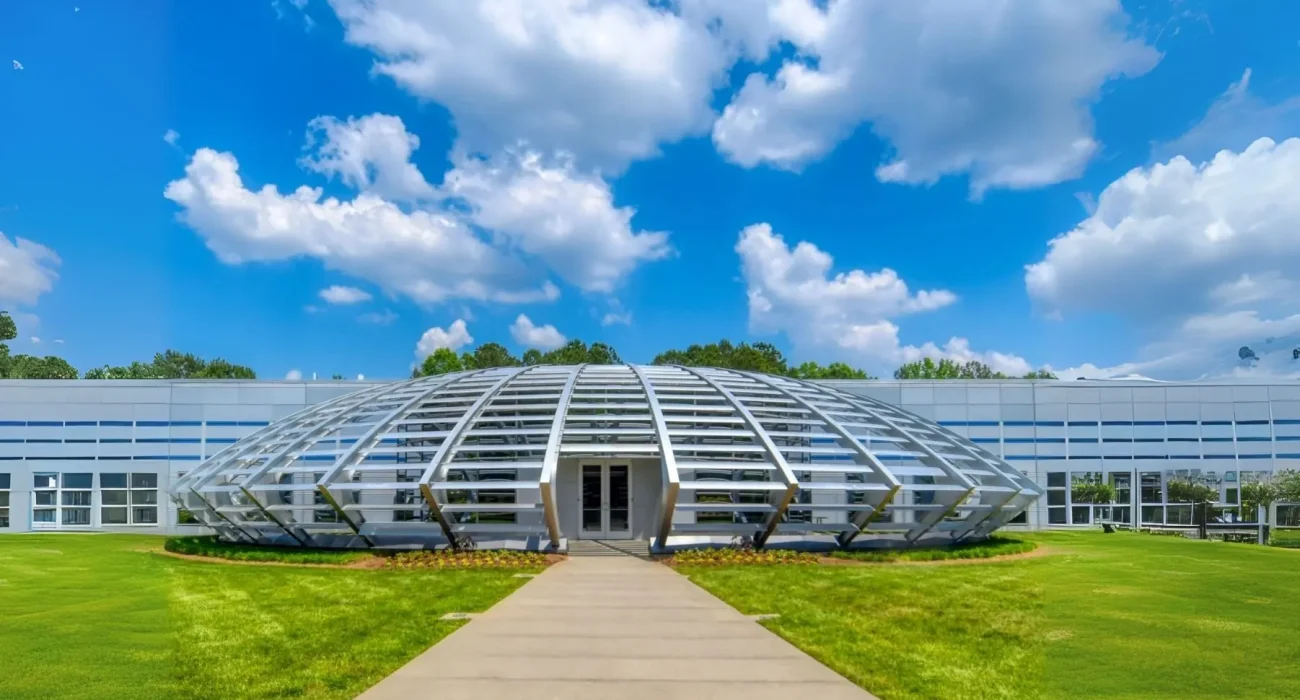
World Park in Alpharetta offers professional podcast production studios equipped with enterprise-grade technology. These studios are designed to provide the perfect environment for quality audio recording.
Essential Equipment for High-Quality Podcasting
To achieve the audio quality of a BBC studio, investing in the right equipment is key. Here’s a list of essential items:
1. Microphones
Choose high-quality microphones, such as dynamic or condenser mics, that capture clear audio. Popular choices include:
- Shure SM7B: A versatile dynamic microphone known for its rich sound.
- Audio-Technica AT2020: A budget-friendly condenser mic with excellent clarity.
2. Audio Interface
An audio interface connects your microphone to your computer and converts the audio signal into digital data. Look for interfaces with multiple inputs and low latency, such as:
- Focusrite Scarlett 2i2: A popular choice among podcasters.
- PreSonus AudioBox USB: A reliable and affordable option.
3. Headphones
Invest in closed-back headphones for monitoring audio while recording. This helps in identifying any issues in real-time. Options include:
- Sony MDR-7506: Known for their accurate sound reproduction.
- Audio-Technica ATH-M50x: A favorite among audio professionals.
4. Recording Software
Choose user-friendly recording software (DAW) that suits your needs. Some popular choices are:
- Audacity: A free, open-source software ideal for beginners.
- Adobe Audition: A professional option with advanced features.
Recording Techniques to Enhance Audio Quality
To ensure your podcast sounds polished, follow these recording techniques:
1. Set Up a Proper Microphone Technique
Maintain a consistent distance from the microphone and speak directly into it. Avoid plosives by using a pop filter.
2. Use Acoustic Treatment
Minimize echo and background noise by adding acoustic panels or foam to your recording space. This helps create a controlled environment for better sound quality.
3. Monitor Levels
Always monitor audio levels while recording. Aim for levels that peak around -6dB to -3dB to avoid distortion.
4. Record in a Quiet Environment
Choose times to record when external noise is minimal. Turn off any noisy appliances and ask others to avoid the recording area.
Editing Your Podcast for Professional Quality
Editing is a crucial step in the podcast production process. Here’s how to edit like a pro:
1. Remove Mistakes and Filler Words
Edit out any mistakes, long pauses, or filler words to maintain a smooth flow. This leads to a more engaging listening experience.
2. Add Intro and Outro Music
Incorporate catchy intro and outro music to give your podcast a professional touch. Make sure to use royalty-free music or obtain proper licenses.
3. Balance Audio Levels
Ensure consistent audio levels throughout the podcast. Use tools like normalization and compression to balance the sound.
4. Export in High Quality
When finished, export your podcast in a high-quality format, such as WAV or high bitrate MP3.
Publishing and Promoting Your Podcast
Once your podcast is edited and polished, it’s time to publish and promote it:
1. Choose a Podcast Hosting Platform
Select a reliable podcast hosting platform, such as Libsyn or Podbean, to publish your episodes and distribute them to directories.
2. Optimize for SEO
Use SEO strategies to optimize your podcast titles, descriptions, and show notes. This increases visibility and attracts more listeners.
3. Leverage Social Media
Promote your podcast on social media platforms to reach a wider audience. Use engaging visuals and teasers to generate interest.
4. Network with Other Podcasters
Engage in business networking and startup events hosted by World Park to connect with other podcasters and share insights.
Frequently Asked Questions
1. What equipment do I need to start a podcast?
You’ll need a good microphone, audio interface, headphones, and recording software to get started.
2. How do I choose a podcast topic?
Select a topic you’re passionate about and that has an audience. Research to find niche areas within your interests.
3. How do I record high-quality audio?
Record in a quiet space, use good equipment, and monitor audio levels throughout the process.
4. What software should I use for editing?
Popular options include Audacity for beginners and Adobe Audition for more advanced editing.
5. How do I market my podcast?
Utilize social media, SEO strategies, and networking opportunities to promote your podcast.
6. How often should I release new episodes?
Consistency is key. Decide on a schedule that works for you, whether it’s weekly, bi-weekly, or monthly.
7. Can I record a podcast from home?
Yes, but ensure you have a quiet, soundproof space and the right equipment for quality audio.
8. What is the average length of a podcast episode?
Most episodes range from 20 minutes to over an hour, depending on the content and audience preference.
9. Do I need to pay for podcast hosting?
While there are free hosting options, paid platforms often offer better features and reliability.
10. How do I monetize my podcast?
Consider sponsorships, listener donations, or creating premium content as ways to monetize your podcast.
In conclusion, recording a podcast in Alpharetta that sounds like a BBC studio is achievable with the right equipment, techniques, and environment. With World Park’s professional podcast studios and supportive community, you can take your podcasting journey to new heights. Start creating today and make your mark in the podcasting world!
- Office Space Alpharetta | Flexible Private & Team Offices
- Customizable Office Space | All Membership Flexible Contracts and Alpharetta Business Address Included
- The ROI of Flexible Work: How Companies Save Money with Hybrid Arrangements
- Essential Strategies to Get Your First 100 Customers Without a Marketing Budget