
The Dirty Secret of Long-Term Office Leases in Georgia
In the evolving landscape of workspaces, the traditional long-term office lease model is facing scrutiny, particularly in vibrant business hubs like Georgia. As companies reassess their operational strategies, the hidden drawbacks of lengthy commitments in office leases become increasingly apparent. This article explores the complexities of long-term office leases, shedding light on their implications for businesses in Georgia.
Understanding Long-Term Office Leases
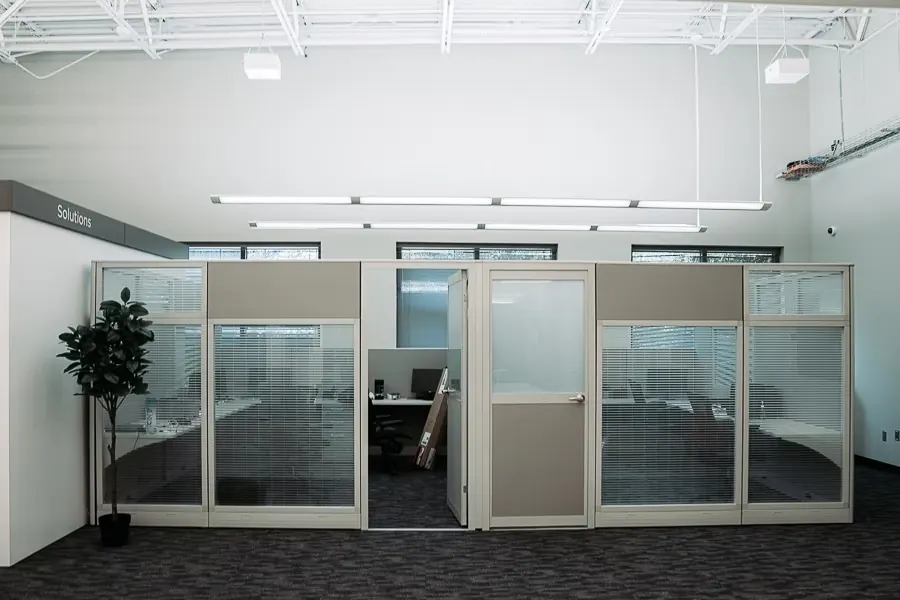
Long-term office leases typically span from three to ten years, binding tenants to a specific location and financial commitment. While these leases can offer stability, they come with several hidden challenges that can impact a company’s agility and financial health.
The Financial Commitment
One of the most significant concerns with long-term leases is the financial burden they impose. Businesses often face escalating rent costs over the term of the lease, which can strain budgets and limit growth potential. In Georgia, where the economy is dynamic, companies must be cautious about locking themselves into long-term agreements that may not align with their future needs.
Limited Flexibility
Flexibility is crucial in today’s fast-paced business environment. Long-term leases can inhibit a company’s ability to adapt to market changes, expand, or downsize as needed. For startups and small businesses in Georgia, the inability to pivot can lead to missed opportunities or financial strain.
The Impact of Economic Changes
The economic landscape is continually shifting, influenced by factors such as market demand, technological advancements, and workforce trends. Long-term leases can tie businesses to outdated strategies, making it challenging to respond to economic fluctuations.
Market Trends
In Georgia, the rise of remote work and hybrid models has transformed how businesses operate. Companies may find themselves with excess office space that is no longer necessary, leading to wasted resources. A long-term lease can exacerbate this issue, locking businesses into a space that no longer serves their operational needs.
Technological Advancements
As technology evolves, so do the requirements for office spaces. Long-term leases may not accommodate the latest technological infrastructure, leaving businesses at a disadvantage. In a competitive market like Georgia, having access to enterprise-grade technology is essential for success.
The Hidden Costs of Long-Term Leases
Beyond just monthly rent, long-term leases come with a variety of hidden costs that can catch tenants off guard. Understanding these costs is crucial for informed decision-making.
Maintenance and Repairs
Many long-term leases place the burden of maintenance and repairs on the tenant. This can lead to unexpected expenses that can strain budgets. In Georgia, where the climate can lead to wear and tear on buildings, these costs can accumulate quickly.
Utilities and Operating Expenses
In addition to rent, businesses must consider utilities and operating expenses, which can fluctuate significantly over time. Long-term leases may not account for these variations, leading to potential financial strain.
The Benefits of Flexible Workspace Solutions
Given the challenges associated with long-term leases, flexible workspace solutions are becoming increasingly popular among businesses in Georgia. These options provide numerous advantages that can enhance operational efficiency and adaptability.
Short-Term Contracts
Flexible workspace providers often offer short-term contracts, allowing businesses to scale their space according to current needs. This adaptability is particularly beneficial for startups and growing businesses that must navigate the uncertainties of market demands.
Modern Amenities
Flexible workspaces typically come equipped with modern amenities, including high-speed internet, meeting rooms, and collaborative areas. This infrastructure can support a productive work environment, essential for success in today’s competitive landscape.
Building a Collaborative Community
Another significant advantage of flexible workspaces is the opportunity to engage with a collaborative community of like-minded professionals. In Georgia, this can lead to valuable networking opportunities and partnerships that may not be available in traditional office settings.
Startup Events and Networking Opportunities
Many flexible workspaces host startup-friendly events and networking opportunities, fostering connections that can drive business growth. This collaborative environment is particularly beneficial in Georgia’s thriving entrepreneurial ecosystem.
Conclusion: Rethinking Office Space Strategies
As businesses in Georgia navigate the complexities of modern work environments, it is essential to rethink office space strategies. Long-term office leases may offer stability, but the hidden drawbacks can outweigh the benefits. By considering flexible workspace solutions, companies can position themselves for success in an ever-changing market.
FAQ
What are the main drawbacks of long-term office leases?
The main drawbacks include financial commitment, limited flexibility, hidden costs, and the inability to adapt to market changes.
How can flexible office solutions benefit my business?
Flexible office solutions offer short-term contracts, modern amenities, and opportunities for networking, allowing businesses to adapt quickly to changing needs.
What hidden costs should I consider with long-term leases?
Hidden costs can include maintenance and repairs, utilities, and operating expenses, which may not be fully disclosed in the lease agreement.
Why is flexibility important in today’s business environment?
Flexibility allows businesses to adapt to market changes, scale their operations, and respond to shifting workforce trends.
How do long-term leases affect startup companies?
Long-term leases can strain startup budgets and limit growth potential, making it challenging for these businesses to navigate the uncertainties of early-stage development.
What should I look for in a flexible workspace provider?
When choosing a flexible workspace provider, consider factors such as location, amenities, community engagement, and contract terms.
Can I negotiate terms in a long-term lease?
Yes, many landlords are open to negotiation, especially if they want to fill a vacancy quickly. It’s essential to advocate for terms that suit your business needs.
What are the advantages of a collaborative workspace community?
A collaborative workspace community can provide networking opportunities, support for startups, and access to resources that can help businesses grow.
Is it worth investing in a long-term office lease?
It depends on your business model and future plans. For many companies, the benefits of flexibility outweigh the stability offered by long-term leases.
How can I transition from a long-term lease to a flexible workspace?
Begin by evaluating your current lease terms, researching flexible workspace options, and planning for a smooth transition to minimize disruption to your business.
- Office Space Alpharetta | Flexible Private & Team Offices
- Customizable Office Space | All Membership Flexible Contracts and Alpharetta Business Address Included
- The ROI of Flexible Work: How Companies Save Money with Hybrid Arrangements
- Essential Strategies to Get Your First 100 Customers Without a Marketing Budget