Why Your Podcast Sounds Amateurish – And How a Professional Studio Fixes It
Podcasting has become one of the most popular mediums for sharing information, storytelling, and building communities. However, many podcasters struggle with achieving a professional sound quality that captivates their audience. In this article, we will explore the common reasons why your podcast may sound amateurish and how utilizing a professional studio can elevate your audio production to new heights.
Understanding Podcast Sound Quality
Sound quality is crucial in podcasting. Listeners are more likely to engage with content that sounds crisp and clear rather than muddled or echoey. To understand how to improve your podcast’s sound, let’s first look at some of the common issues that contribute to an amateurish audio experience.
Common Issues with Amateur Podcast Sound
- Poor Microphone Quality: Many amateur podcasters use low-quality microphones that fail to capture audio accurately. This can lead to distorted voices or background noise.
- Improper Recording Techniques: Not knowing how to position a microphone correctly or speaking too loudly or softly can greatly affect sound quality.
- Background Noise: Ambient sounds from the environment, such as traffic or chatter, can seep into recordings and distract listeners.
- Lack of Editing: Many amateur podcasters don’t edit their recordings properly, resulting in long pauses, mistakes, or uneven audio levels.
- Inadequate Acoustics: Recording in a room with poor acoustics can lead to echoes and sound reflections that detract from overall sound quality.
How a Professional Studio Makes a Difference
Using a professional podcasting studio can address many of the issues mentioned above and deliver a polished final product. Below are several ways a professional studio can enhance your podcast.
High-Quality Equipment
A professional studio is equipped with high-quality microphones, headphones, and audio interfaces that capture sound with clarity and precision. This equipment is designed to minimize noise and distortion, ensuring that your voice is the star of the show.
Expert Sound Engineers
Professional sound engineers have the skills and experience to make your podcast sound its best. They understand how to set up equipment, adjust levels, and apply post-production techniques that enhance the audio quality.
Controlled Environment
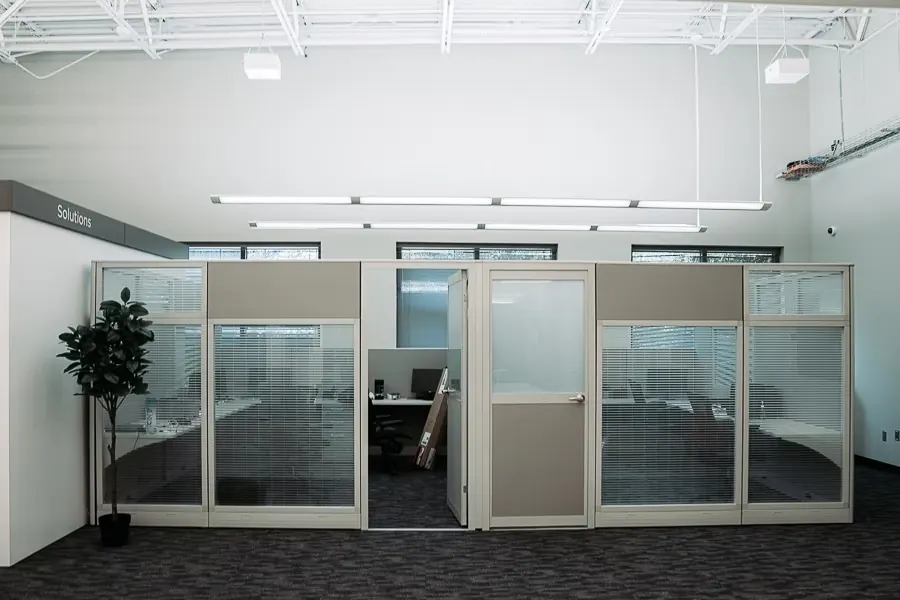
Studios are designed to provide an acoustically treated environment that minimizes external sounds and echoes. This controlled setting can drastically improve the overall quality of your recordings.
Editing and Mixing Services
Professional studios often offer editing and mixing services that can transform your raw recordings into a seamless podcast episode. Sound engineers can remove any mistakes, adjust volume levels, and add music or sound effects to create a polished final product.
Benefits of Professional Podcast Production
Now that we understand how a professional studio can fix common podcasting issues, let’s explore the broader benefits of investing in professional podcast production.
Improved Listener Engagement
High-quality audio can significantly enhance listener engagement. When your podcast sounds professional, listeners are more likely to stay tuned in, share your content, and recommend it to others.
Enhanced Brand Image
A well-produced podcast reflects positively on your brand. It demonstrates a commitment to quality and professionalism, which can attract more listeners and potential collaborators.
Time Savings
By utilizing a professional studio, you can save time on recording and editing. This allows you to focus more on content creation and less on the technical aspects of podcasting.
Networking Opportunities
Many professional studios foster a collaborative environment, providing opportunities to connect with other podcasters, industry professionals, and potential guests for your show.
Choosing the Right Studio
When selecting a professional studio for your podcast, consider the following factors:
Location
Choose a studio that is conveniently located so that you can easily access it for recording sessions.
Services Offered
Look for studios that offer a range of services including recording, editing, and mixing, as well as technical support and equipment rentals.
Reputation
Research the studio’s reputation by reading reviews and testimonials from other podcasters. A studio with a strong track record is more likely to deliver quality results.
Price
Consider your budget and find a studio that offers competitive pricing without compromising quality. Many studios offer flexible packages to suit different needs.
Conclusion
Your podcast deserves to be heard in the best possible quality. By understanding the common pitfalls of amateur sound and leveraging the expertise and resources of a professional studio, you can elevate your audio production and create a podcast that resonates with your audience. Don’t let poor sound quality hold you back; invest in professional podcasting to unlock your show’s full potential!
FAQ
1. What makes a podcast sound amateurish?
Common issues include poor microphone quality, improper recording techniques, background noise, lack of editing, and inadequate acoustics.
2. How can a professional studio enhance my podcast?
Professional studios provide high-quality equipment, expert sound engineers, controlled environments, and editing services that improve overall sound quality.
3. Is it worth investing in a professional studio for a podcast?
Yes, investing in a professional studio can significantly enhance sound quality, improve listener engagement, and save time on production.
4. How do I choose the right podcast studio?
Consider factors such as location, services offered, reputation, and pricing when selecting a studio.
5. Can I record my podcast at home?
While it’s possible to record at home, professional studios can provide superior sound quality and technical support.
6. What equipment should I use for podcasting?
Invest in a quality microphone, headphones, and audio interface for better sound quality.
7. How important is audio editing for a podcast?
Audio editing is crucial for removing mistakes, smoothing transitions, and enhancing overall sound quality.
8. What are some tips for improving podcast audio quality?
Use high-quality equipment, record in a quiet environment, and consider hiring a professional for editing and mixing.
9. How can I promote my podcast after improving sound quality?
Share your episodes on social media, collaborate with other podcasters, and engage with your audience to promote your podcast.
10. What are the benefits of networking in a professional studio?
Networking can lead to new collaborations, guest opportunities, and valuable industry insights.
More on this topic