

The Solopreneur’s Productivity Stack: Tools and Workspace Setup for Maximum Output
In today’s fast-paced business environment, solopreneurs face unique challenges. Balancing multiple roles—from marketing to customer service—while striving for productivity can be daunting. However, leveraging the right productivity stack and creating an optimized workspace can significantly enhance output. This article will delve into essential tools, workspace setups, and strategies that solopreneurs can adopt to maximize their productivity. By the end of this article, you will have a comprehensive understanding of how to streamline your operations and elevate your performance.
Understanding the Solopreneur’s Landscape
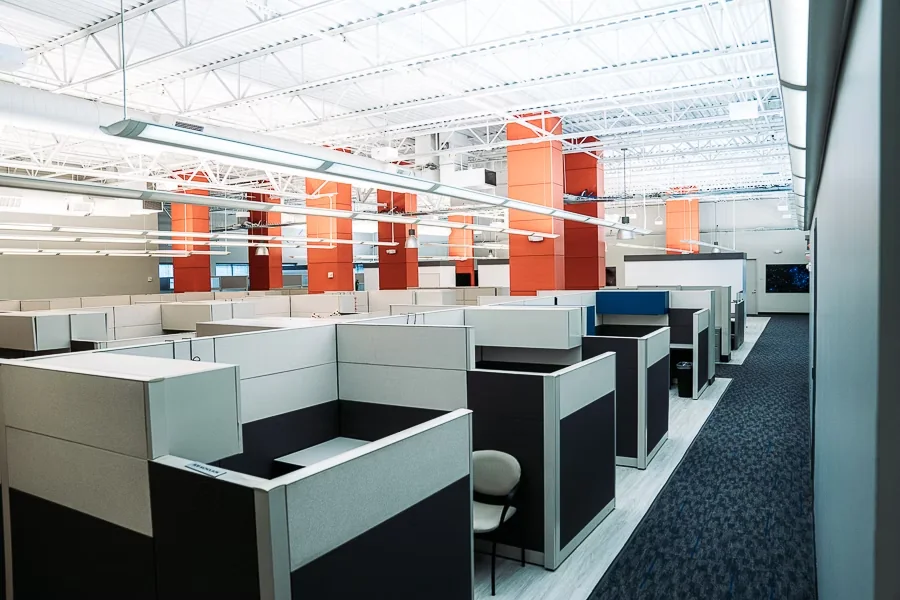
Solopreneurs are individuals who run their businesses independently, often wearing multiple hats. According to research from the U.S. Small Business Administration, solopreneurs account for a significant portion of the entrepreneurial ecosystem. Their roles may include content creation, client management, financial oversight, and marketing—all of which can lead to overwhelming workloads. Understanding the unique challenges faced by solopreneurs helps in identifying the right tools and strategies for boosting productivity.
The Essential Productivity Stack
To enhance productivity, solopreneurs need a robust productivity stack that includes a variety of tools tailored to their specific needs. Below are some essential categories of tools that can help streamline workflows:
Project Management Tools
Project management tools are crucial for organizing tasks, tracking progress, and ensuring deadlines are met. Popular options include:
- Trello: A visual tool that allows you to manage tasks through boards, lists, and cards.
- Asana: Offers more advanced project tracking features and integrates well with other tools.
- Notion: Combines notes, tasks, databases, and calendars in one platform.
Communication Tools
Effective communication is vital for solopreneurs, especially if they collaborate with freelancers or clients. Consider using:
- Slack: A messaging platform that facilitates real-time communication.
- Zoom: A video conferencing tool that is essential for virtual meetings.
- Microsoft Teams: Combines workplace chat, video conferencing, and file storage.
Time Tracking and Productivity Tools
Understanding how you spend your time can lead to better productivity. Tools like:
- Toggl: A simple time tracking tool that helps you analyze productivity patterns.
- RescueTime: Automatically tracks time spent on applications and websites, providing insights into your habits.
Financial Management Tools
Managing finances is critical for solopreneurs. Consider using:
- QuickBooks: A comprehensive accounting tool that simplifies invoicing and expense tracking.
- FreshBooks: Designed for freelancers and small business owners, it offers easy invoicing and time tracking.
File Storage and Sharing Tools
Cloud storage solutions ensure that your files are accessible and secure. Options include:
- Google Drive: Offers ample storage and integrates seamlessly with other Google services.
- Dropbox: Known for its file-sharing capabilities and user-friendly interface.
Comparison Table of Productivity Tools
| Tool | Best For | Key Features |
|---|---|---|
| Trello | Visual task management | Boards, lists, cards |
| Asana | Project tracking | Task assignments, timelines |
| Notion | All-in-one workspace | Notes, tasks, databases |
| Slack | Real-time communication | Channels, direct messaging |
| Zoom | Video conferencing | Screen sharing, recording |
| QuickBooks | Financial management | Invoicing, expense tracking |
Creating Your Ideal Workspace
Your workspace significantly impacts productivity. Here are some tips for setting up a workspace that fosters focus and efficiency:
Choosing the Right Location
While many solopreneurs work from home, consider the benefits of a dedicated workspace. A modern coworking space like World Park in Alpharetta offers private offices and collaborative environments designed for productivity. Not only does it provide a professional atmosphere, but it also facilitates networking opportunities with fellow entrepreneurs.
Ergonomics Matter
Investing in ergonomic furniture can enhance comfort and reduce strain. Consider an adjustable chair and desk, as well as accessories like keyboard trays and monitor stands.
Minimizing Distractions
To maximize focus, minimize distractions in your workspace. This can include:
- Using noise-canceling headphones to block out ambient noise.
- Implementing a ‘do not disturb’ policy during deep work sessions.
- Organizing your workspace to reduce clutter and visual distractions.
Time Management Techniques
Effective time management is crucial for solopreneurs. Here are some techniques to help you manage your time better:
The Pomodoro Technique
This time management method involves working for 25 minutes, followed by a 5-minute break. After four cycles, take a longer break. This technique helps maintain focus and avoid burnout.
Time Blocking
Allocate specific time slots for different tasks throughout your day. This method encourages you to prioritize and stay organized.
Setting SMART Goals
SMART goals are Specific, Measurable, Achievable, Relevant, and Time-bound. Setting these types of goals can help you stay focused and motivated.
Networking and Collaboration
Networking is vital for solopreneurs. While working independently can be rewarding, collaboration can lead to new opportunities. Here are ways to network effectively:
Attend Local Events
Participating in local business events can help you connect with other entrepreneurs and potential clients. Check out networking events at World Park for opportunities to meet like-minded professionals.
Join Online Communities
Online platforms like LinkedIn offer opportunities to engage with fellow professionals. Joining groups related to your industry can facilitate valuable discussions.
Leverage Social Media
Social media is a powerful tool for building connections. Utilize platforms like Twitter and Instagram to showcase your work and engage with your audience.
Real-World Examples
Many successful solopreneurs attribute their achievements to effective productivity stacks and optimized workspaces. Here are a few examples:
Case Study: Freelance Graphic Designer
A freelance graphic designer utilized tools like Adobe Creative Suite, Trello for project management, and Zoom for client meetings. By establishing a dedicated home office with ergonomic furniture, they enhanced their productivity and significantly increased their client base.
Case Study: Online Course Creator
An online course creator leveraged platforms like Kajabi for course hosting, Google Drive for file storage, and Mailchimp for email marketing. By networking through local workshops, they expanded their reach and grew their audience.
Frequently Asked Questions
What is a solopreneur?
A solopreneur is an individual who runs their own business independently, often handling all aspects of the business themselves.
What tools do solopreneurs need?
Essential tools for solopreneurs include project management software, communication tools, time tracking apps, financial management solutions, and cloud storage.
How can I improve my productivity as a solopreneur?
Improving productivity can be achieved through effective time management, utilizing the right tools, creating an optimized workspace, and minimizing distractions.
What is the best workspace setup for solopreneurs?
The ideal workspace setup includes ergonomic furniture, a quiet environment, and organized tools that facilitate focus and productivity.
How important is networking for solopreneurs?
Networking is crucial for solopreneurs as it can lead to new opportunities, partnerships, and clients.
What are the best time management techniques?
Popular time management techniques include the Pomodoro Technique, time blocking, and setting SMART goals.
How can I choose the right project management tool?
Consider your specific needs, team size, and desired features when selecting a project management tool.
Can coworking spaces help with productivity?
Yes, coworking spaces like World Park provide a professional atmosphere and networking opportunities that can enhance productivity.
Are there any government resources for solopreneurs?
Yes, the U.S. Small Business Administration offers resources and support for solopreneurs and small business owners.
What are the benefits of using cloud storage?
Cloud storage offers accessibility, security, and collaboration features, making it an essential tool for solopreneurs.
How can I stay motivated as a solopreneur?
Setting clear goals, maintaining a routine, and networking with other professionals can help boost motivation.
What is the role of social media in a solopreneur’s business?
Social media helps solopreneurs build their brand, engage with their audience, and promote their products or services.