

How to Set Your Freelance Rates in Georgia: A Market-Based Pricing Guide
Setting freelance rates can be one of the most challenging aspects for independent professionals, especially in a vibrant market like Georgia. Knowing how to price your services competitively while ensuring that your rates reflect your value is crucial for sustainability and growth. In this comprehensive guide, we will explore effective strategies to help you determine your freelance rates based on market insights, industry standards, and personal expertise. By the end of this article, you will have a clear understanding of how to set your freelance rates in Georgia and ensure that you are compensated fairly for your work.
Understanding the Georgia Freelance Market
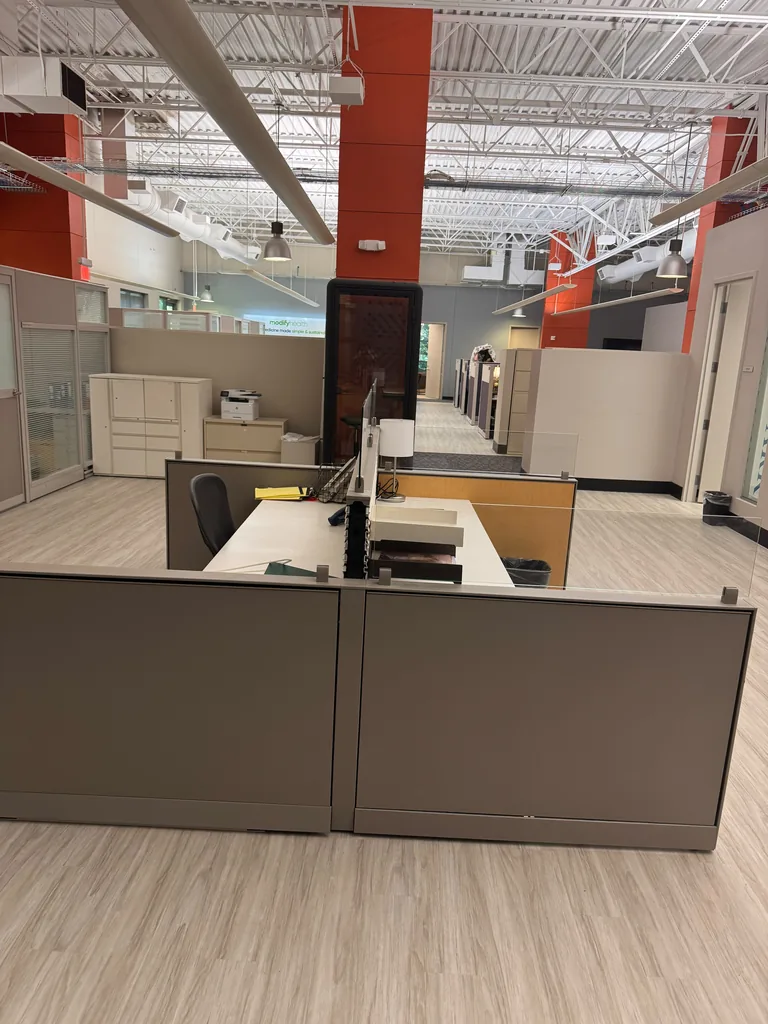
Georgia’s freelance ecosystem is thriving, fueled by a diverse range of industries, including technology, media, and creative services. According to the U.S. Bureau of Labor Statistics, the freelance workforce in Georgia has seen significant growth, particularly in urban areas like Atlanta and Alpharetta. This growth presents both opportunities and challenges for freelancers, making it essential to understand the local market dynamics when setting your rates.
In Georgia, freelancers can find opportunities in various sectors, including:
- Web development and design
- Content creation and copywriting
- Graphic design
- Digital marketing and social media management
- Consulting services
Understanding the demand for these services, as well as the competition within your niche, will provide valuable insights for pricing your freelance work effectively.
Factors Affecting Your Freelance Rates
Setting your freelance rates is not a one-size-fits-all process. Several factors come into play when determining how much you should charge for your services:
- Your Experience Level: As a freelancer, your experience significantly influences your rate. Beginners may start at lower rates to build their portfolio, while seasoned professionals can command higher fees due to their expertise.
- Industry Standards: Different industries have varying pricing norms. Researching what other freelancers in your field charge will help you establish competitive rates.
- Project Complexity: The complexity of the project can also dictate your rates. More intricate tasks that require specialized skills should be priced higher.
- Client Budget: Understanding your target clients and their budget constraints can help you tailor your rates accordingly. Some clients may prioritize quality over cost, while others may be more price-sensitive.
- Location: The cost of living and demand for services in Georgia can impact your rates. For instance, freelancers in urban areas may charge more than those in rural regions.
Market Research Techniques
Conducting thorough market research is essential to set competitive freelance rates. Here are some effective techniques:
- Online Freelance Platforms: Websites like Upwork and Fiverr provide valuable insights into what freelancers charge for similar services. Browse through profiles to see rates based on experience and service offerings.
- Networking: Connecting with other freelancers in Georgia can provide firsthand insights into pricing strategies. Attend local networking events or join online forums to exchange experiences and rate information.
- Surveys and Reports: Utilize industry reports and surveys from reputable sources like the Freelancers Union to gauge average rates in your field.
Setting Your Rates: A Step-by-Step Guide
Now that you have a clear understanding of the factors influencing your rates and how to conduct market research, it’s time to set your freelance rates. Follow these steps:
- Define Your Services: Clearly outline the services you provide. This clarity will help you communicate your value to potential clients.
- Calculate Your Costs: Consider your expenses, including software subscriptions, taxes, and overhead costs. Make sure your rates cover these expenses while providing a profit margin.
- Determine Your Desired Income: Based on your financial goals, decide how much you want to earn annually. This figure will guide your pricing strategy.
- Choose Your Pricing Model: Decide whether you want to charge hourly, per project, or on a retainer basis. Each model has its pros and cons, depending on your business model.
- Set Your Initial Rates: Based on your research, experience, and desired income, establish your initial rates. Remember that you can always adjust these rates as your skills and market conditions change.
- Test and Iterate: After setting your rates, monitor client responses and project outcomes. If you find that potential clients are hesitant to engage, consider adjusting your pricing strategy.
Common Mistakes to Avoid When Setting Rates
As you navigate the process of setting your freelance rates, be mindful of these common pitfalls:
- Undervaluing Your Skills: Many freelancers make the mistake of undervaluing their services. Remember that your expertise and time are valuable. Charge what you believe your work is worth.
- Ignoring Market Trends: Failing to keep up with industry trends can lead to outdated pricing strategies. Regularly review your rates to ensure they remain competitive.
- Being Inflexible: While it’s essential to stand firm on your rates, being overly rigid can deter potential clients. Be open to negotiation while maintaining the value of your services.
Freelance Contracts and Negotiation
Once you have set your rates, it’s crucial to formalize agreements with clients. A well-structured freelance contract protects both parties and clarifies expectations. Here’s what to include in your contract:
- Scope of work
- Payment terms and rates
- Deadlines and deliverables
- Revisions and feedback process
- Confidentiality and ownership rights
When negotiating rates with clients, be prepared to justify your pricing. Use your research and expertise to explain the value you bring to their project.
Conclusion
Setting your freelance rates in Georgia requires a thoughtful approach that considers market demand, your skills, and client expectations. By conducting thorough research and following a structured pricing strategy, you can ensure that your freelance business is both profitable and sustainable. Remember, your rates reflect your expertise and the quality of your work, so don’t hesitate to charge what you’re worth. For more resources on building your freelance career, consider exploring the community events and networking opportunities at World Park, where you can connect with fellow freelancers and entrepreneurs.
Frequently Asked Questions
1. How do I determine my freelance rates?
2. Should I charge hourly or per project?
3. How often should I review my rates?
4. Can I negotiate my freelance rates with clients?
5. What should I include in a freelance contract?
6. How can I increase my freelance rates?
7. What are some common mistakes freelancers make when setting rates?
8. How can I find clients willing to pay my rates?
- How Freelancers Can Use a Professional Business Address to Win Enterprise Clients
- Build a Six-Figure Freelance Business from a Coworking Space
- The Freelancer’s Guide to Professional Development and Continuous Learning
- Mastering Time Management for Freelancers: Pomodoro, Time-Blocking, and Deep Work
- Coworking space in Alpharetta