
Podcast Branding 101: Mastering Names, Cover Art & Audio Identity
In the rapidly evolving landscape of digital media, podcasting has emerged as one of the most effective platforms for storytelling, education, and brand engagement. However, with over 2 million podcasts vying for listeners’ attention, establishing a strong brand identity is crucial for new shows. This comprehensive guide will delve into the essential elements of podcast branding, focusing on naming, cover art, and audio identity. By the end of this article, you will gain valuable insights and actionable steps to create a compelling and memorable podcast brand that resonates with your target audience.
Understanding Podcast Branding
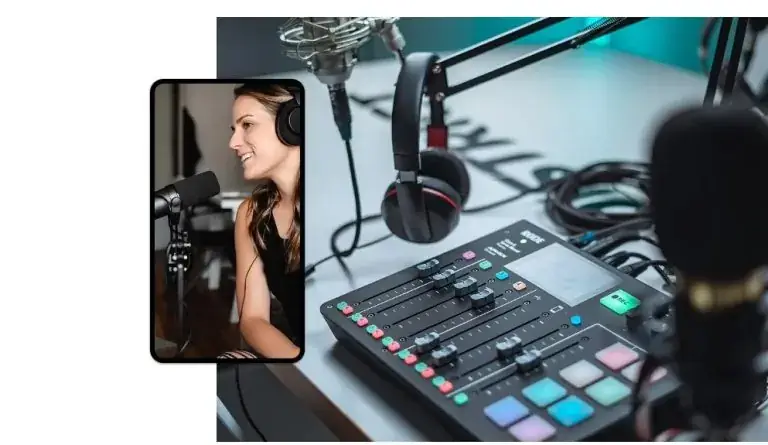
Podcast branding encompasses the visual, auditory, and conceptual elements that define your show and differentiate it from others. Just as a business creates a brand identity to attract customers, a podcast must establish a unique persona that engages listeners and fosters loyalty. Effective branding can enhance your podcast’s discoverability, create a professional image, and ultimately drive audience growth.
The Importance of a Strong Podcast Name
Your podcast’s name is the first impression potential listeners will have. It should be memorable, descriptive, and reflective of your show’s content. Here are some key considerations when crafting your podcast name:
- Clarity: Ensure your name clearly conveys the theme or subject matter of your podcast. A clear name helps potential listeners understand what to expect.
- Uniqueness: Conduct a search to ensure your podcast name isn’t already in use. A unique name not only avoids confusion but also aids in brand recognition.
- SEO-Friendly: Incorporate relevant keywords into your podcast name to enhance discoverability in search engines and podcast directories.
- Emotional Resonance: Choose words that evoke feelings or curiosity, compelling listeners to click and listen.
For example, the podcast “How I Built This” by NPR effectively communicates its focus on entrepreneurship and storytelling, attracting the right audience. In contrast, a generic name like “Business Talk” may not resonate as strongly.
Creating Eye-Catching Cover Art
Cover art serves as the visual representation of your podcast and plays a significant role in attracting listeners. Podcast platforms often feature cover art prominently, making it crucial to invest time and effort into this aspect of branding. Here are some guidelines for creating effective cover art:
- Visual Impact: Use bold colors and striking imagery to grab attention. Your cover art should stand out among a sea of other podcasts.
- Consistency: Ensure your cover art aligns with your overall branding, including your website and social media profiles. This creates a cohesive identity across platforms.
- Readable Typography: Choose fonts that are easy to read, even at smaller sizes. Avoid overly intricate fonts that may confuse potential listeners.
- Symbolism: Incorporate elements that symbolize your podcast’s theme or content. This visual cue can help convey your show’s essence at a glance.
Consider using design tools like Canva or Adobe Spark to create professional-looking cover art, or hire a graphic designer if your budget allows. Remember to follow the specifications set by major podcast platforms, such as Apple Podcasts, which recommends a minimum size of 1400 x 1400 pixels.
Establishing Your Audio Identity
Your podcast’s audio identity includes the tone, style, and sound elements that define the listening experience. This encompasses everything from the host’s voice to the background music and sound effects used throughout the episodes. Here are some tips to establish a strong audio identity:
- Voice and Tone: Determine the desired tone of your podcast—whether it’s casual, professional, or educational—and ensure that the host’s voice matches this tone. Consistency in delivery helps create a recognizable audio brand.
- Music Selection: Choose theme music that resonates with your podcast’s theme and sets the mood for your content. Consider royalty-free music options or hire a composer to create original tracks.
- Sound Effects: Utilize sound effects sparingly to enhance storytelling or emphasize key points. Overuse can distract from the content.
- Intro and Outro: Create a professional-sounding intro and outro that encapsulates your podcast’s essence. This can help establish a routine for listeners and create familiarity.
For instance, the podcast “Radiolab” is known for its distinctive sound design and innovative use of audio elements, making it instantly recognizable to listeners.
Integrating Branding Across Platforms
Once you have established your podcast name, cover art, and audio identity, it’s essential to maintain brand consistency across all platforms. This includes your podcast website, social media accounts, and promotional materials. Here’s how to ensure a unified brand presence:
- Website: Create a dedicated website for your podcast. This serves as a hub for your content, including episode listings, show notes, and links to resources. Ensure your website design reflects your podcast branding.
- Social Media: Use consistent branding on social media profiles, including your podcast name, logo, and cover art. Engage with your audience by sharing behind-the-scenes content, episode previews, and interactive posts.
- Promotional Materials: Create branded promotional materials, such as business cards, flyers, and email signatures, to promote your podcast in various contexts.
By maintaining a cohesive brand identity, you enhance recognition and trust among your audience, ultimately leading to increased listenership.
Case Studies in Successful Podcast Branding
Examining successful podcasts can provide valuable insights into effective branding strategies. Here are a few examples:
| Podcast | Branding Element | Why It Works |
|---|---|---|
| “The Daily” | Consistent Format | The show offers a familiar format that listeners can rely on, making it easy to engage with. |
| “My Favorite Murder” | Unique Name and Cover Art | The quirky title and distinctive cover art attract a specific audience and convey the show’s personality. |
| “Stuff You Should Know” | Engaging Audio Identity | The conversational tone and sound design create an inviting atmosphere that keeps listeners engaged. |
These examples highlight the importance of aligning all branding elements with the podcast’s content and audience expectations. By studying successful podcasts, you can glean ideas for your own branding approach.
Expert Tips for Podcast Branding
To help you on your podcast branding journey, here are some expert tips:
- Conduct Market Research: Analyze your target audience and competitors to understand what works in your niche.
- Iterate and Adapt: Be open to feedback and willing to refine your branding as your podcast evolves.
- Collaborate with Experts: Consider hiring branding experts or consultants to guide you through the process.
- Utilize Podcast Studios: If you’re looking for a professional sound, consider recording in a podcast studio like World Park’s podcast studios, which provide high-quality audio equipment and support.
By implementing these strategies, you can create a robust podcast brand that resonates with listeners and stands out in the crowded podcasting landscape.
Frequently Asked Questions
1. What makes a good podcast name?
A good podcast name is memorable, descriptive, unique, and SEO-friendly. It should clearly convey the podcast’s theme and resonate with potential listeners.
2. How important is podcast cover art?
Podcast cover art is crucial as it serves as the first visual impression for potential listeners. Eye-catching and professional design can significantly impact discoverability and listener engagement.
3. What elements contribute to a podcast’s audio identity?
A podcast’s audio identity includes the host’s voice, tone, theme music, sound effects, and the overall listening experience crafted through sound design.
4. How can I ensure consistent branding across platforms?
Maintain consistency in your podcast name, cover art, and messaging across your website, social media, and promotional materials to enhance recognition and trust.
5. Should I hire a professional for podcast branding?
Hiring a professional can provide valuable expertise in creating a strong brand identity. However, it’s also possible to develop your brand using available resources and tools.
6. What are some common mistakes in podcast branding?
Common mistakes include choosing a confusing name, inconsistent branding across platforms, neglecting audio quality, and failing to engage with the audience.
7. How often should I update my podcast branding?
While it’s essential to establish a strong brand identity, you should be open to updating your branding as your podcast evolves and your audience grows.
8. Can I use copyrighted music in my podcast?
Using copyrighted music without permission can lead to legal issues. Opt for royalty-free music or consider hiring a composer for original tracks.
9. What is the role of social media in podcast branding?
Social media plays a vital role in promoting your podcast, engaging with listeners, and creating a community around your brand. Consistent branding across social media platforms can enhance visibility.
10. How can I measure the success of my podcast branding?
Success can be measured through audience growth, engagement metrics, listener feedback, and overall brand recognition within your niche.
11. Is podcast branding different from regular branding?
While the principles of branding apply to both, podcast branding requires a focus on audio and visual elements that cater specifically to the podcasting medium.
12. What resources are available for learning more about podcast branding?
Resources include online courses, articles from industry experts, and guides from podcasting platforms. Websites like The Podcast Host and Podcasting 101 offer valuable insights.
- Your Ultimate Guide to Launching a Professional Podcast in Alpharetta
- Podcast Studio vs. Home Recording: Why Audio Quality Makes or Breaks Your Show
- Podcast Legal Basics: Music Licensing, Fair Use & Guest Release Forms
- Launching a Podcast Network: Expert Insights from Multi-Show Producers
- Podcast studio on campus