
Podcast Legal Basics: Music Licensing, Fair Use & Guest Release Forms
As the podcasting industry continues to grow, understanding the legal landscape surrounding it becomes increasingly essential. From music licensing to fair use, and guest release forms, navigating these legal basics is crucial for any podcaster aiming to produce content that is not only compelling but also compliant with the law. In this comprehensive guide, we will explore the vital aspects of podcast legalities, ensuring you have the information needed to protect your creative work and avoid potential legal pitfalls.
This article aims to provide you with a thorough understanding of podcast legal basics, specifically focusing on music licensing, the concept of fair use, and the importance of guest release forms. By the end of this guide, you will be equipped with actionable insights and expert tips to help you navigate the complexities of podcasting law.
1. Music Licensing in Podcasts
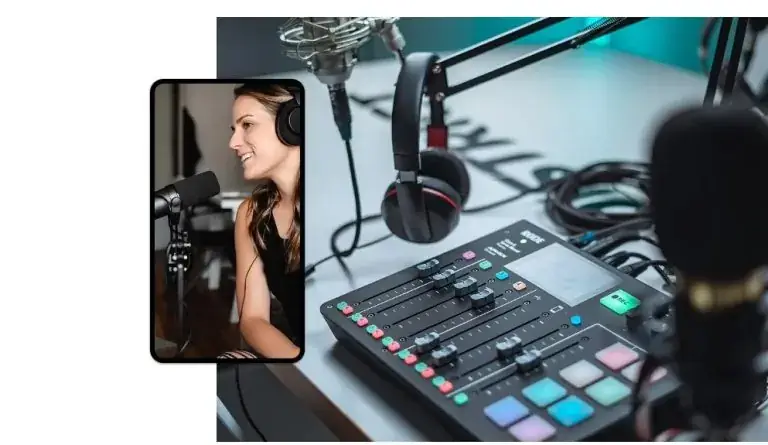
Music is an integral part of many podcasts, enhancing the listening experience and establishing the show’s tone. However, using music without proper licensing can lead to severe legal consequences, including copyright infringement claims. Understanding the types of music licenses available and how they apply to your podcast is crucial.
Types of Music Licenses
There are several types of music licenses that podcasters should be aware of:
- Synchronization License: This license allows you to use a piece of music in conjunction with visual media, which is typically required for video podcasts.
- Master Use License: This license grants permission to use a specific recording of a song. In most cases, you will need both a synchronization license and a master use license to legally use a song in your podcast.
- Mechanical License: This license is required for distributing physical copies of music (like CDs) or digital downloads.
- Public Performance License: This license is necessary if your podcast is broadcasted publicly, including streaming on platforms like Spotify or Apple Podcasts.
To obtain these licenses, podcasters can either contact music rights organizations or use licensing services that simplify the process. Organizations like ASCAP, BMI, and SESAC are prominent in the United States.
Consequences of Using Unlicensed Music
Using unlicensed music can lead to copyright infringement claims, which may result in:
- Cease and desist orders
- Monetary penalties
- Legal battles that can drain your resources
- Removal of your podcast episodes or entire podcast from hosting platforms
Understanding the risks associated with unlicensed music is essential for protecting your podcast’s longevity and credibility.
2. Understanding Fair Use
Fair use is a legal doctrine that allows limited use of copyrighted material without obtaining permission from the rights holder. It is particularly relevant in the context of podcasting, as many creators wish to reference or incorporate existing works into their content.
Factors Determining Fair Use
The fair use doctrine is determined by four factors:
- Purpose and Character of Use: Non-commercial, educational, or transformative uses are more likely to be considered fair use.
- Nature of the Copyrighted Work: Using factual works is more likely to be considered fair use than using creative works.
- Amount and Substantiality: Using a small, non-central portion of a work is more likely to qualify as fair use.
- Effect on the Market: If your use of the work negatively impacts the market for the original, it is less likely to be considered fair use.
Understanding these factors can help podcasters determine whether their use of copyrighted material falls under fair use.
Examples of Fair Use in Podcasts
Here are some examples of how podcasters have successfully navigated fair use:
- Quoting a few lines from a book or article while discussing its themes.
- Using short clips of a song for commentary or criticism.
- Incorporating news footage or sound bites in a news analysis podcast.
However, it is essential to note that fair use is not a blanket protection, and each case is judged individually. Therefore, when in doubt, seeking legal advice is always wise.
3. The Importance of Guest Release Forms
When hosting guests on your podcast, obtaining a guest release form is crucial. This legal document protects both you and your guests by clarifying the terms of participation and usage of the recorded content.
What is a Guest Release Form?
A guest release form is a legal document that grants the podcast host permission to use the guest’s likeness, voice, and any content shared during the episode. It typically includes the following elements:
- Identification of the parties involved
- Details about the recording and distribution of the podcast
- Rights granted to the host
- Limitations on liability
Why You Need a Guest Release Form
Having a guest release form is vital for several reasons:
- Legal Protection: It protects you from potential legal issues if a guest later claims they did not consent to the use of their content.
- Clarity of Rights: It establishes clear rights for both parties regarding the use of the recorded material.
- Professionalism: Using a guest release form demonstrates professionalism and respect for your guests.
How to Create a Guest Release Form
Creating a guest release form is relatively straightforward. Here are the steps to follow:
- Draft the document, including the necessary elements mentioned above.
- Consult with a legal professional to ensure compliance with local laws.
- Have the guest review and sign the form before recording the episode.
4. Best Practices for Compliance
To ensure your podcast remains legally compliant, consider the following best practices:
- Use Licensed Music: Always obtain the necessary licenses before using music in your podcast.
- Know Fair Use Limits: Familiarize yourself with fair use principles and assess whether your use qualifies.
- Get Guest Release Forms: Always have your guests sign a release form before recording.
- Consult Legal Experts: When in doubt, seek legal advice to clarify any uncertainties regarding your podcast’s legal obligations.
5. Common Legal Issues Podcasters Face
Podcasters often encounter various legal challenges that can impact their content and operations. Some common issues include:
- Copyright Infringement: Using copyrighted materials without permission can lead to legal action.
- Defamation Claims: Making false statements about individuals or organizations can result in lawsuits.
- Privacy Violations: Failing to obtain consent from individuals featured in your podcast can lead to privacy claims.
How to Mitigate Legal Risks
To mitigate these legal risks, podcasters should:
- Educate themselves about copyright and intellectual property laws.
- Implement clear policies for guest participation and content use.
- Maintain open communication with guests about their rights and expectations.
6. Conclusion
Understanding the legal basics of podcasting is essential for creating content that is not only engaging but also compliant with the law. By familiarizing yourself with music licensing, fair use, and the importance of guest release forms, you can protect your podcast from potential legal issues.
As you embark on your podcasting journey, prioritize legal compliance and seek professional advice whenever necessary. By doing so, you will not only safeguard your work but also establish a reputable presence in the podcasting community. For those looking to elevate their podcasting experience, consider utilizing World Park’s professional podcast studios in Alpharetta to enhance your audio quality and production value.
FAQ Section
What is music licensing for podcasts?
Music licensing for podcasts involves obtaining permission to use copyrighted music in your podcast episodes. This ensures that you comply with copyright laws and avoid legal issues.
What is fair use in podcasting?
Fair use is a legal doctrine that allows limited use of copyrighted material without permission from the rights holder, depending on factors such as purpose, nature of the work, amount used, and market effect.
Do I need a guest release form?
Yes, a guest release form is essential as it protects both you and your guests by clarifying the terms of participation and the usage rights of recorded content.
How can I find licensed music for my podcast?
You can find licensed music through music rights organizations or platforms offering royalty-free music, such as Epidemic Sound or AudioJungle.
What are the consequences of using unlicensed music?
Using unlicensed music can lead to copyright infringement claims, including cease and desist orders, monetary penalties, and potential removal of your podcast from hosting platforms.
Can I use clips of songs under fair use?
Using clips of songs may qualify as fair use, but it depends on several factors, including the purpose of use and the amount used. It’s best to consult legal advice if unsure.
What should I include in a guest release form?
A guest release form should include identification of the parties, details about the recording, rights granted to the host, and limitations on liability.
How can I mitigate legal risks in podcasting?
To mitigate legal risks, educate yourself about copyright laws, use licensed music, get guest release forms, and consult legal experts when necessary.
- Your Ultimate Guide to Launching a Professional Podcast in Alpharetta
- Podcast Studio vs. Home Recording: Why Audio Quality Makes or Breaks Your Show
- Launching a Podcast Network: Expert Insights from Multi-Show Producers
- Mastering the Art of Storytelling in Podcasts: Techniques for Engagement
- Podcast studio on campus
