
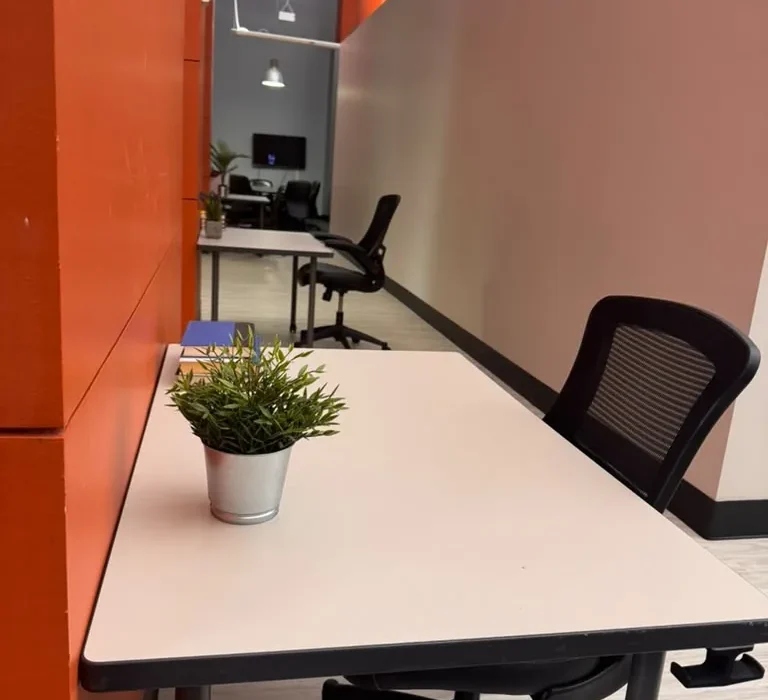
Coworking vs Private Office: Which Is Better for Startups in Alpharetta?
In the vibrant business landscape of Alpharetta, Georgia, startups are emerging at an unprecedented rate. As these innovative companies look to establish their presence, one of the most crucial decisions they face is choosing between coworking spaces and private offices. Both options offer unique advantages and cater to different needs, making it essential for startups to carefully evaluate their choices. In this article, we will explore the differences between coworking and private offices, their respective benefits, and help you determine which is better suited for your startup in Alpharetta.
Understanding Coworking Spaces

Coworking spaces are shared work environments that provide flexible workspace options for entrepreneurs, freelancers, and small teams. These spaces are designed to foster collaboration and community among diverse professionals, creating a dynamic atmosphere conducive to creativity and networking.
Key Features of Coworking Spaces
- Flexibility: Coworking spaces typically offer flexible membership plans that allow startups to scale their workspace as needed without long-term commitments.
- Community Networking: Coworking environments often host networking events, workshops, and social gatherings, creating opportunities for collaboration and partnership among members.
- Affordability: With shared resources and amenities, coworking spaces are often more cost-effective than traditional office leases, making them an attractive option for startups with limited budgets.
- Access to Amenities: Many coworking spaces provide access to high-speed internet, meeting rooms, conference facilities, and other essential resources that can enhance productivity.
Benefits of Coworking for Startups
For startups in Alpharetta, coworking spaces offer several advantages:
- Cost-Effective Solutions: Startups can save on operational costs by leveraging shared resources, allowing them to allocate funds towards growth and development.
- Networking Opportunities: The collaborative environment fosters connections with other entrepreneurs, potential clients, and industry experts who can provide valuable insights and support.
- Inspiration and Motivation: Being surrounded by like-minded individuals can inspire creativity and drive, pushing startups to reach their full potential.
Exploring Private Offices
Private offices, on the other hand, are dedicated workspaces that provide startups with their own enclosed environment. These offices can vary in size and are typically leased on a longer-term basis, offering a more permanent solution for businesses that require privacy and control over their workspace.
Key Features of Private Offices
- Privacy and Security: Private offices offer a level of confidentiality that coworking spaces may not provide, making them ideal for startups that handle sensitive information.
- Branding Opportunities: A private office allows startups to establish their brand identity through personalized decor and signage, creating a professional image for clients and visitors.
- Control Over Environment: Startups can customize their office layout, furniture, and design to create a workspace that aligns with their company culture and operational needs.
- Stability: With a long-term lease, startups can secure their location and avoid the disruptions that may come with moving frequently.
Benefits of Private Offices for Startups
Choosing a private office comes with its own set of benefits for startups:
- Enhanced Focus: The quiet and controlled environment of a private office can lead to increased productivity and fewer distractions, allowing teams to concentrate on their work.
- Dedicated Workspace: Having a designated office space can help establish routines and foster a sense of ownership among team members.
- Professional Image: A private office conveys a strong professional image to clients and partners, helping to build trust and credibility in the marketplace.
Factors to Consider When Choosing Between Coworking and Private Offices
When deciding between coworking spaces and private offices, startups in Alpharetta must consider several factors:
1. Budget Constraints
Startups often operate on tight budgets. Evaluate the costs associated with coworking memberships versus private office leases, including utilities, internet, and other amenities.
2. Team Size and Structure
The size of your team plays a significant role in determining the best workspace. Smaller teams may thrive in coworking environments, while larger teams might benefit from the privacy of a dedicated office.
3. Company Culture
Consider how the workspace aligns with your company culture. If collaboration and networking are core values, coworking may be the better choice. Conversely, if your startup prioritizes privacy and a focused work environment, a private office may be more suitable.
4. Growth Potential
Assess your startup’s growth potential and plan for scalability. Coworking spaces provide flexibility for startups that anticipate rapid growth, while private offices offer stability for businesses that want to establish a long-term presence.
Real-World Examples: Coworking vs Private Offices in Alpharetta
To illustrate the impact of these workspace options, let’s take a look at real-world examples of startups in Alpharetta:
Case Study 1: Tech Startup in Coworking
A tech startup in Alpharetta opted for a coworking space to leverage the networking opportunities and collaborative environment. They participated in industry events, connected with mentors, and gained valuable feedback on their product development, ultimately leading to successful funding rounds.
Case Study 2: Marketing Agency in a Private Office
A marketing agency chose a private office to maintain confidentiality for their clients. The agency benefited from a stable environment that allowed them to establish a professional brand image, leading to increased client retention and satisfaction.
Conclusion
Ultimately, the choice between coworking and private offices for startups in Alpharetta depends on individual business needs, goals, and preferences. Coworking spaces offer flexibility, community, and cost-effectiveness, while private offices provide privacy, control, and a professional image. By carefully evaluating the factors discussed in this article, startups can make an informed decision that aligns with their vision for growth and success.
Frequently Asked Questions (FAQ)
1. What is the primary difference between coworking and a private office?
Coworking spaces are shared environments that promote collaboration, while private offices are dedicated spaces that offer privacy and control.
2. Are coworking spaces more affordable than private offices?
Generally, coworking spaces are more cost-effective due to shared resources and flexible membership plans.
3. Can startups grow in a coworking space?
Yes, coworking spaces offer flexible options that allow startups to scale their workspace as they grow.
4. How do networking opportunities differ between the two options?
Coworking spaces typically provide more networking opportunities through events and collaboration, while private offices may limit interaction to internal teams.
5. Can I customize my private office?
Yes, private offices allow startups to personalize their workspace according to their brand and culture.
6. What amenities do coworking spaces usually offer?
Coworking spaces often provide high-speed internet, meeting rooms, and communal areas among other essential amenities.
7. Is it difficult to transition from a coworking space to a private office?
Transitioning is manageable, especially if startups plan for growth and understand their workspace needs.
8. How can I determine the right option for my startup?
Evaluate factors like budget, team size, company culture, and growth potential to determine which workspace option is best for your startup.