
How Coworking Spaces Are Changing the Way Businesses Work
In recent years, the landscape of the traditional office has undergone a significant transformation. With the rise of technology and changes in work culture, businesses are increasingly turning to coworking spaces as a viable alternative to conventional office environments. Coworking spaces offer flexibility, community, and a modern approach to work that adapts to the needs of today’s professionals. In this article, we will explore how coworking spaces are reshaping the way businesses operate and the myriad benefits they provide.
The Evolution of Workspaces

The traditional office setup has long been characterized by cubicles, closed-door offices, and rigid structures. However, the advent of technology has facilitated remote work and increased the demand for more dynamic work environments. Coworking spaces have emerged as a response to these evolving needs. They are not just a trend; they represent a fundamental shift in how we perceive workspaces.
Historical Context
Coworking spaces originated in the early 2000s as a solution for freelancers and remote workers seeking a professional environment. Over the years, they have evolved to accommodate startups, small businesses, and even established companies looking for flexibility. The rise of the gig economy and the increasing prevalence of remote work have accelerated this evolution.
Current Trends in Coworking
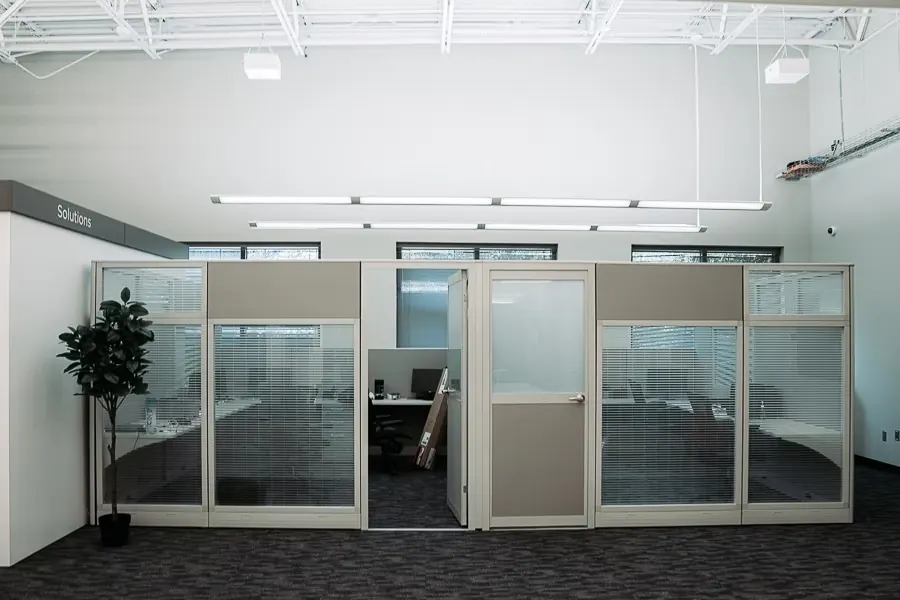
Today, coworking spaces come in various forms, from large, branded facilities to niche spaces tailored for specific industries. Modern coworking environments often feature shared amenities, collaborative spaces, and private offices, catering to the diverse needs of their members.
The Benefits of Coworking Spaces for Businesses
Businesses of all sizes can reap significant benefits from utilizing coworking spaces. Here, we outline some of the most compelling advantages:
1. Flexibility
Coworking spaces offer flexible membership plans that allow businesses to scale up or down based on their needs. Whether you require a hot desk for a day or a dedicated office for a year, coworking spaces can accommodate your requirements without the long-term commitment associated with traditional leases.
2. Cost-Effectiveness
Maintaining a traditional office can be expensive, with costs related to rent, utilities, and maintenance. Coworking spaces eliminate many of these overhead expenses, making them a cost-effective solution for startups and small businesses. Members often benefit from all-inclusive pricing, which covers amenities such as high-speed internet, meeting rooms, and common areas.
3. Networking Opportunities
Coworking spaces foster a sense of community, providing ample opportunities for networking and collaboration. Members can connect with like-minded professionals, share ideas, and even collaborate on projects. This networking can lead to valuable partnerships, mentorships, and business development opportunities.
4. Access to Resources
Many coworking spaces are equipped with enterprise-grade technology infrastructure, including high-speed internet, video conferencing tools, and professional podcast and video production studios. Access to these resources allows businesses to operate efficiently without investing heavily in equipment.
5. Enhanced Productivity
Working in a dynamic environment can boost productivity and creativity. Coworking spaces often feature open layouts, breakout areas, and quiet zones, allowing individuals to choose their preferred work setting. The professional atmosphere also encourages a focused mindset, as members are surrounded by motivated individuals.
6. Support for Startups
Coworking spaces are particularly advantageous for startups, offering a supportive ecosystem that nurtures innovation. Many spaces host business networking and startup events, providing valuable insights and connections for emerging entrepreneurs. Additionally, the collaborative environment fosters creativity and out-of-the-box thinking.
Challenges and Considerations
While coworking spaces offer numerous benefits, they are not without challenges. Businesses considering this option should weigh the pros and cons carefully.
1. Privacy Concerns
In a shared environment, privacy can be a concern. Sensitive discussions or confidential work may not be suitable for open coworking spaces. However, many facilities provide private offices and soundproof meeting rooms to mitigate this issue.
2. Distractions
Although coworking spaces can enhance productivity for some, they may also present distractions for others. The bustling environment may not be conducive to deep work for everyone. It’s essential for individuals to find a balance that works for them.
3. Lack of Control
In a coworking setup, businesses have less control over the environment and may be subject to the policies of the space management. Organizations must be comfortable navigating these dynamics and adapting to the coworking culture.
The Future of Coworking Spaces
As we move further into the 21st century, the demand for coworking spaces is expected to grow. Companies are increasingly recognizing the value of flexibility and collaboration in their operations. The rise of hybrid work models, combining remote and in-office work, will likely further fuel the popularity of coworking spaces.
Moreover, the integration of technology will continue to enhance the coworking experience. Innovations such as virtual reality meetings, advanced booking systems, and improved networking platforms will make coworking spaces even more appealing.
Conclusion
Coworking spaces are not just a passing fad; they represent a transformative shift in how businesses operate. By providing flexibility, cost-effectiveness, networking opportunities, and access to resources, coworking spaces empower businesses to thrive in today’s fast-paced environment. As the world of work continues to evolve, coworking spaces will play an integral role in shaping the future of business.
FAQ
1. What are coworking spaces?
Coworking spaces are shared work environments that provide flexible workspace options for individuals and businesses, promoting collaboration and community.
2. How do coworking spaces benefit freelancers?
Freelancers gain access to professional workspaces, networking opportunities, and resources that can help them grow their businesses without the overhead costs of a traditional office.
3. Are coworking spaces suitable for startups?
Yes, coworking spaces are particularly beneficial for startups, offering a supportive ecosystem, networking events, and access to enterprise-grade technology.
4. Can I find private offices in coworking spaces?
Many coworking spaces offer private offices in addition to shared desks, allowing businesses to choose the setup that best fits their needs.
5. How do I choose the right coworking space for my business?
Consider factors such as location, amenities, community culture, and pricing when selecting a coworking space that aligns with your business goals.
6. What types of amenities are typically available in coworking spaces?
Common amenities include high-speed internet, meeting rooms, event spaces, kitchen facilities, and access to networking events.
7. How do coworking spaces support networking?
Coworking spaces facilitate networking through community events, workshops, and informal gatherings, enabling members to connect and collaborate.
8. Are coworking spaces a good option for remote workers?
Yes, coworking spaces provide remote workers with a professional environment, reducing isolation and offering opportunities for collaboration and social interaction.
9. What are the costs associated with coworking spaces?
Costs can vary widely depending on location, amenities, and membership plans, ranging from daily passes to monthly memberships.
10. How do coworking spaces promote productivity?
Coworking spaces offer a professional atmosphere, flexible work environments, and access to resources, all of which can enhance productivity and creativity.