
The Future of Flexible Offices in Alpharetta GA
Introduction
As the landscape of work continues to evolve, the demand for flexible office spaces is rapidly increasing. Alpharetta, GA, known for its thriving technology sector and vibrant business community, is at the forefront of this trend. This article explores the future of flexible offices in Alpharetta, discussing their benefits, the role of technology, and how they foster collaboration and innovation.
The Rise of Flexible Offices
Flexible offices, including coworking spaces and private offices, have gained popularity due to their adaptability to various business needs. They provide a solution for startups, freelancers, and established companies looking to optimize their work environments. In Alpharetta, the rise of flexible offices can be attributed to several factors.
1. Changing Workforce Dynamics
The modern workforce is increasingly mobile, with many employees seeking work-life balance and flexibility in their work arrangements. Flexible offices cater to these needs by offering adjustable plans that allow businesses to scale up or down based on their requirements.
2. Cost-Effectiveness
Renting traditional office space can be a significant financial burden, particularly for startups and small businesses. Flexible office spaces provide a more affordable alternative, allowing companies to access high-quality facilities without the long-term commitment and overhead costs associated with traditional leases.
3. The Impact of Remote Work
The COVID-19 pandemic accelerated the shift towards remote work, forcing companies to rethink their office needs. Many businesses have adopted hybrid models, where employees split their time between home and the office. Flexible office spaces in Alpharetta have emerged as a solution, providing a professional environment for teams to collaborate when needed.
Key Features of Flexible Offices
As flexible offices continue to evolve, they incorporate various features designed to enhance productivity and collaboration.
1. Modern Private Offices
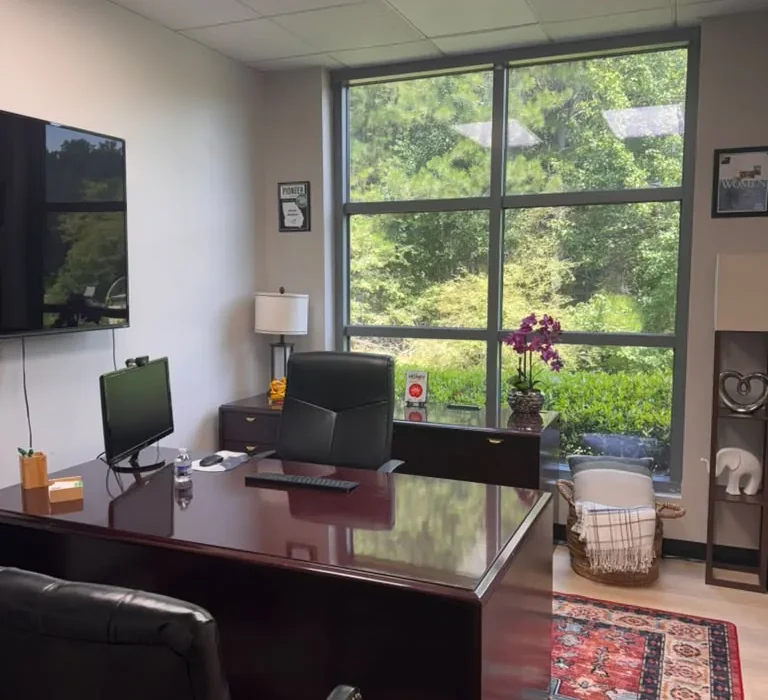
Flexible office providers, such as World Park in Alpharetta, offer modern private offices equipped with enterprise-grade technology. These spaces provide a quiet environment for focused work while still being part of a larger community.
2. Coworking Environments
Coworking spaces foster collaboration and networking opportunities among diverse professionals. They are ideal for freelancers, entrepreneurs, and remote workers seeking to connect with like-minded individuals.
3. Professional Podcast and Video Production Studios
With the rise of digital content creation, many flexible office spaces now include specialized studios for podcasting and video production. This allows businesses to produce high-quality media content without needing to invest in expensive equipment.
Technology and Infrastructure
One of the main advantages of flexible offices is their investment in technology. High-speed internet, video conferencing capabilities, and advanced security systems are essential for businesses operating in a digital world.
1. Enterprise-Grade Technology Infrastructure
Flexible offices provide access to enterprise-grade technology infrastructure, enabling businesses to operate efficiently and securely. This includes robust internet connectivity, cloud services, and IT support, allowing companies to focus on their core activities.
2. Smart Office Solutions
Smart office technology enhances the user experience by automating various functions, such as lighting, temperature control, and resource management. These features contribute to a more comfortable and productive work environment.
The Role of Community and Networking
Flexible offices create a community-oriented environment that encourages collaboration and innovation.
1. Business Networking Events
Many flexible office providers host networking events, workshops, and seminars that enable members to connect, share ideas, and foster partnerships. This vibrant ecosystem promotes growth and allows businesses to learn from one another.
2. Support for Startups
Flexible offices often provide resources and support tailored to startups, including mentorship programs, funding opportunities, and business development workshops. This support helps new companies navigate the challenges of launching and scaling their operations.
The Future of Flexible Offices in Alpharetta
As Alpharetta continues to grow as a business hub, the future of flexible offices looks promising. Several trends are shaping this future:
1. Increased Demand for Hybrid Workspaces
The hybrid work model is here to stay. Flexible offices will need to adapt to accommodate this trend, offering a variety of workspace options to suit different work styles.
2. Sustainability and Eco-Friendly Practices
There is a growing emphasis on sustainability in the workspace. Future flexible offices in Alpharetta are likely to incorporate eco-friendly practices, such as energy-efficient designs and sustainable materials.
3. Enhanced Focus on Well-Being
Employers are increasingly recognizing the importance of employee well-being. Flexible office spaces will need to prioritize wellness features, such as access to natural light, green spaces, and wellness programs.
Conclusion
The future of flexible offices in Alpharetta, GA, is bright, driven by changing workforce dynamics, technological advancements, and a focus on community. As businesses continue to seek adaptable solutions that cater to their evolving needs, flexible offices are poised to play a central role in the local business ecosystem. For companies looking for a modern, collaborative workspace, World Park offers the ideal environment to thrive in this new era of work.
FAQs
1. What are flexible offices?
Flexible offices are workspaces that offer adaptable plans, including coworking spaces and private offices, allowing businesses to scale based on their needs.
2. How do flexible offices benefit startups?
Flexible offices provide cost-effective solutions, access to resources, networking opportunities, and a collaborative environment tailored to startups.
3. What technology is available in flexible offices?
Flexible offices feature enterprise-grade technology infrastructure, high-speed internet, smart office solutions, and support for digital content creation.
4. Are flexible offices suitable for remote workers?
Yes, flexible offices offer an ideal environment for remote workers, providing a professional workspace for collaboration and networking.
5. How do flexible offices promote collaboration?
Flexible offices foster collaboration through coworking environments, networking events, and a community-oriented atmosphere.
6. What amenities can I expect in a flexible office?
A flexible office may include meeting rooms, private offices, coworking spaces, professional studios, high-speed internet, and wellness facilities.
7. Can I customize my office space in a flexible office?
Many flexible office providers allow customization to meet specific business needs, ensuring a comfortable and functional workspace.
8. How do I choose the right flexible office provider?
Consider factors such as location, amenities, community, pricing, and support services when choosing a flexible office provider.
9. What is the future of flexible offices?
The future of flexible offices includes increased demand for hybrid workspaces, sustainability practices, and a focus on employee well-being.
10. How can I get started with a flexible office?
To get started, research local flexible office providers, schedule tours, and inquire about membership options that suit your business needs.
