Why Startups Prefer Flexible Workspaces: Embracing Agility and Innovation
In the rapidly evolving landscape of business, startups are redefining the traditional workplace paradigm. As the demand for agility and innovation grows, flexible workspaces have emerged as a preferred choice for many entrepreneurial ventures. In this article, we explore the reasons why startups favor flexible workspaces and how they contribute to their success.
The Rise of Flexible Workspaces
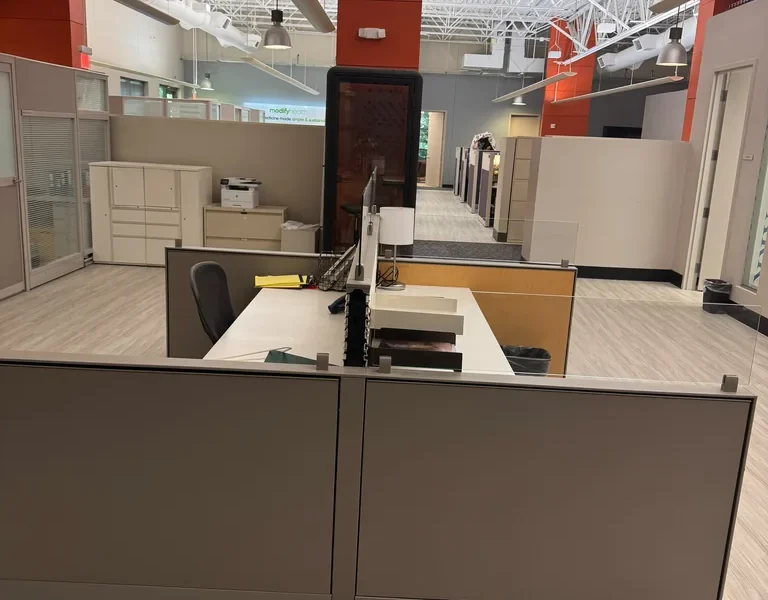
Flexible workspaces encompass a range of options including coworking spaces, private offices, and shared environments. These dynamic workplaces are designed to accommodate the diverse needs of startups, offering a versatile solution that aligns with their unique business models.
1. Cost-Effectiveness
One of the most compelling reasons startups gravitate towards flexible workspaces is cost savings. Traditional office leases often require significant upfront costs, including security deposits and long-term commitments. In contrast, flexible workspaces offer pay-as-you-go models that allow startups to pay only for the space they use, minimizing financial risk.
2. Scalability
Startups experience fluctuating demands as they grow. Flexible workspaces provide the scalability needed to accommodate changes in team size and project requirements. Whether a startup needs to expand its workforce or downsize, flexible workspaces allow for easy adjustments without the constraints of a long-term lease.
3. Access to Modern Amenities
Many flexible workspaces come equipped with modern amenities such as high-speed internet, meeting rooms, and collaborative areas. For startups, access to enterprise-grade technology infrastructure is crucial for productivity and communication. These amenities not only enhance workflow but also create a professional environment that impresses clients and partners.
Fostering Collaboration and Networking
Startups thrive on collaboration and networking opportunities. Flexible workspaces are designed to cultivate a community of like-minded entrepreneurs, fostering innovation and collaboration.
1. Building a Collaborative Culture
Flexible workspaces encourage interaction among different startups and professionals. This collaborative culture enables knowledge sharing, brainstorming, and creative problem-solving. Startups can leverage the diverse skill sets and experiences of others in the workspace, leading to innovative solutions and partnerships.
2. Networking Events
Many flexible workspaces host regular networking events, workshops, and seminars. These events provide valuable opportunities for startups to connect with industry experts, potential investors, and mentors. Networking can lead to partnerships, funding opportunities, and valuable insights that drive growth.
Supporting Content Creation and Media Production
In today’s digital landscape, content creation is essential for marketing and brand building. Startups often require support in this area, and flexible workspaces can provide the necessary resources.
1. Professional Media Production Studios
Some flexible workspaces, like World Park, offer professional podcast and video production studios. These facilities enable startups to create high-quality content without the need for significant investment in equipment or setup. Access to such studios can enhance a startup’s online presence and help them stand out in a crowded market.
2. Content Creation Support
Flexible workspaces often provide support for content creation, including marketing resources, workshops, and guidance from industry professionals. This support is invaluable for startups looking to establish a strong brand identity and engage their target audience effectively.
Flexibility and Work-Life Balance
In today’s fast-paced environment, flexibility is key to maintaining a healthy work-life balance. Startups recognize that employee satisfaction and well-being directly impact productivity and innovation.
1. Flexibility in Work Hours
Flexible workspaces often allow startups to choose their working hours. This flexibility enables employees to work when they are most productive, fostering creativity and motivation. Startups can also accommodate remote work policies, allowing team members to work from anywhere.
2. Improved Work-Life Balance
With the ability to choose their workspace and work hours, employees can achieve a better work-life balance. This balance leads to increased job satisfaction, reduced burnout, and higher retention rates—crucial factors for the long-term success of startups.
Innovation-Focused Ecosystem
The environment in which a startup operates significantly influences its ability to innovate. Flexible workspaces are often designed to inspire creativity and collaboration.
1. Innovation Hubs
Flexible workspaces serve as innovation hubs, bringing together diverse talents and perspectives. The collaborative atmosphere encourages experimentation and the exchange of ideas, essential components of the innovation process. Startups can tap into this ecosystem to refine their products and services.
2. Access to Resources and Mentorship
Many flexible workspaces offer access to resources such as business mentorship, educational workshops, and industry insights. Startups can benefit from the experience and guidance of seasoned entrepreneurs, helping them navigate challenges and seize opportunities.
The Future of Workspaces for Startups
As startups continue to embrace flexible workspaces, the future of work is likely to evolve further. Companies that understand the value of these environments will be better positioned to adapt to changing market conditions and harness the power of collaboration and innovation.
1. A Shift Towards Hybrid Models
The trend towards remote work is here to stay. Startups are increasingly adopting hybrid work models that combine in-person collaboration with remote flexibility. Flexible workspaces can facilitate this transition, offering a physical location for team meetings and networking while allowing for remote work options.
2. Sustainability and Environmental Considerations
As more startups prioritize sustainability, flexible workspaces can provide eco-friendly solutions. Shared spaces often reduce the carbon footprint associated with traditional office setups, making them an attractive choice for environmentally-conscious entrepreneurs.
Conclusion
Flexible workspaces have become a vital component of the startup ecosystem, providing the agility, collaboration, and resources needed for success. By embracing these dynamic environments, startups can navigate the challenges of entrepreneurship while fostering innovation and growth. As the business landscape continues to evolve, the preference for flexible workspaces will only strengthen, paving the way for a new era of work.
FAQ
1. What are flexible workspaces?
Flexible workspaces include coworking spaces, shared offices, and private offices that offer adaptable options for businesses.
2. Why do startups prefer flexible workspaces?
Startups prefer flexible workspaces for their cost-effectiveness, scalability, access to modern amenities, and collaborative culture.
3. How do flexible workspaces support networking?
Flexible workspaces often host networking events and workshops, providing startups with opportunities to connect with industry experts and potential investors.
4. Can flexible workspaces help with content creation?
Yes, many flexible workspaces offer professional media production studios and content creation support, helping startups enhance their online presence.
5. What benefits do flexible workspaces offer for work-life balance?
Flexible workspaces allow for flexible work hours and remote work options, contributing to improved work-life balance and employee satisfaction.
6. How do flexible workspaces foster innovation?
Flexible workspaces create an environment that encourages collaboration, knowledge sharing, and access to resources, all of which are essential for innovation.
7. Are flexible workspaces suitable for all types of startups?
Yes, flexible workspaces cater to a variety of startups, from tech companies to creative agencies, offering tailored solutions based on their needs.
8. What is the future of flexible workspaces?
The future of flexible workspaces is likely to involve hybrid work models, increased focus on sustainability, and continued support for innovation and collaboration.
- The Best Locations in Georgia for Tech Startups
- How to Launch a Startup in Alpharetta, Georgia: A Comprehensive Guide
- The Best Cities in Georgia for Startups: A Comprehensive Guide
- Startup Office Space vs Traditional Office Leasing: Which is Right for Your Business?
- Private and team offices in Alpharetta