
Coworking Space Trends in 2026: Embracing the Future of Work
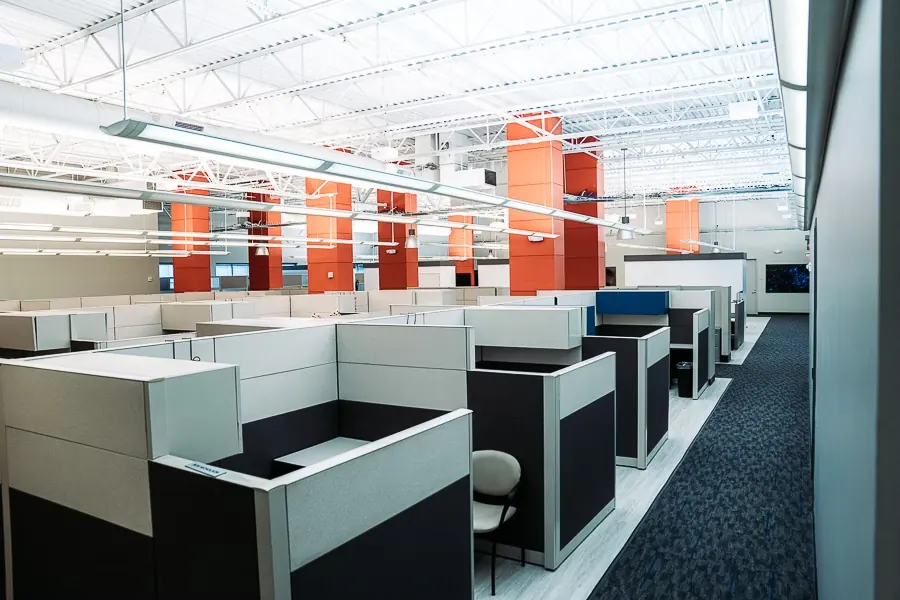
The world of work is evolving at an unprecedented pace, and coworking spaces are at the forefront of this transformation. As we look towards 2026, it’s essential to understand the trends shaping these collaborative environments. From technological advancements to shifts in workplace culture, the future of coworking spaces promises to be dynamic and adaptive. In this article, we will explore the key trends that are set to define coworking spaces in 2026, providing insights into how businesses and individuals can leverage these changes for growth and success.
The Rise of Hybrid Work Models
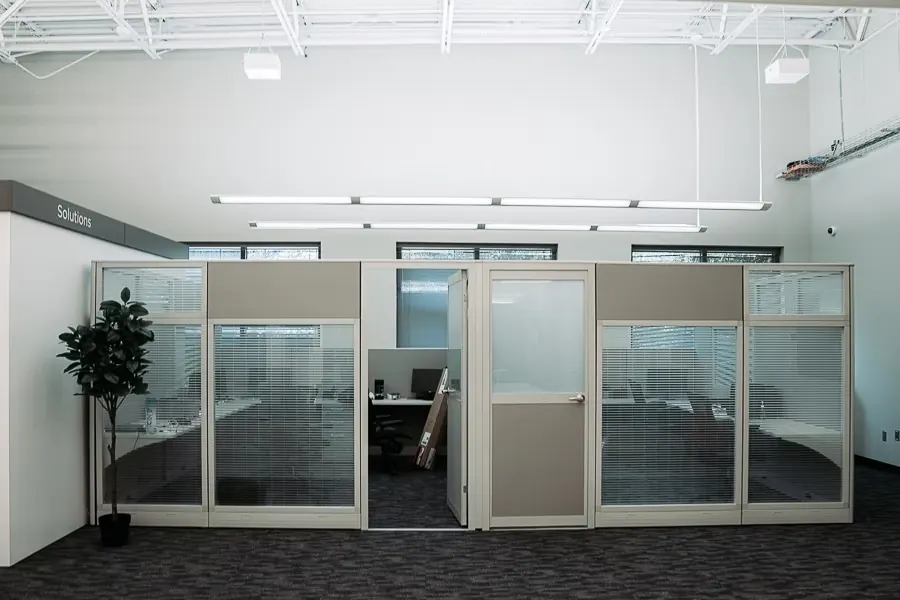
One of the most significant trends influencing coworking spaces is the rise of hybrid work models. With many organizations adopting flexible work arrangements, employees are no longer confined to traditional office hours. This shift has led to an increased demand for coworking spaces that cater to both remote and in-office workers.
Flexible Workspace Solutions
In 2026, coworking spaces will offer a variety of flexible workspace solutions to accommodate the needs of hybrid teams. These may include bookable conference rooms, dedicated desks, and hot-desking options that allow employees to choose where they work based on their daily tasks. This flexibility will be essential in attracting businesses seeking to optimize their workforce while minimizing overhead costs.
Enhanced Technology Infrastructure
As the demand for hybrid work grows, so too does the need for robust technology infrastructure. Coworking spaces will invest in enterprise-grade technology to support seamless connectivity and collaboration. High-speed internet, advanced video conferencing tools, and integrated communication platforms will become standard offerings, enabling remote and in-office workers to collaborate effortlessly.
Focus on Health and Wellness
Another trend shaping coworking spaces in 2026 is the heightened focus on health and wellness. The COVID-19 pandemic has underscored the importance of creating safe and healthy work environments, and this awareness will continue to influence design and operational practices in coworking spaces.
Ergonomic Design and Biophilic Elements
In 2026, coworking spaces will prioritize ergonomic design and incorporate biophilic elements to enhance well-being. This may include adjustable furniture, standing desks, and spaces that encourage movement. Additionally, integrating natural elements such as plants, natural light, and outdoor areas will be essential in creating a calming and productive atmosphere.
Mental Health Support
Recognizing the importance of mental health, coworking spaces will also provide resources and support for members. This could involve offering wellness programs, mindfulness sessions, and access to mental health professionals. By prioritizing mental health, coworking spaces can foster a supportive community that enhances productivity and collaboration.
Community-Centric Approaches
The sense of community has always been a defining feature of coworking spaces, and this will only grow stronger by 2026. As more individuals and businesses seek connection and collaboration, coworking spaces will adopt community-centric approaches to enhance networking opportunities.
Business Networking Events
In 2026, coworking spaces will host a variety of business networking events to foster relationships among members. These events may include workshops, guest speaker sessions, and informal meetups that encourage collaboration and knowledge sharing. By cultivating a strong community, coworking spaces can help members build valuable connections that drive business growth.
Startup-Friendly Ecosystems
As the startup culture continues to thrive, coworking spaces will position themselves as startup-friendly ecosystems. This will involve providing resources such as mentorship programs, access to funding opportunities, and specialized workshops tailored to entrepreneurs. By supporting startups, coworking spaces can attract innovative minds and create a vibrant atmosphere of creativity and collaboration.
Sustainability and Eco-Conscious Practices
With growing awareness of climate change and environmental sustainability, coworking spaces in 2026 will increasingly adopt eco-conscious practices. This trend will be driven by both consumer demand and regulatory pressures, leading to a significant shift in how coworking spaces operate.
Green Certifications and Energy Efficiency
In the coming years, coworking spaces will seek green certifications to demonstrate their commitment to sustainability. This may involve implementing energy-efficient systems, utilizing renewable energy sources, and minimizing waste through recycling and composting programs. By prioritizing sustainability, coworking spaces can attract environmentally conscious members and contribute to a healthier planet.
Promoting Remote Work for Environmental Benefits
Additionally, coworking spaces will advocate for remote work as a means to reduce carbon footprints. By providing flexible workspace options, they can help alleviate congestion in urban areas and reduce the overall demand for commuting. This shift will not only benefit the environment but also enhance work-life balance for members.
Integration of Advanced Technologies
As technology continues to advance, coworking spaces will integrate innovative solutions to enhance member experiences. From artificial intelligence to virtual reality, these technologies will play a crucial role in shaping the future of coworking.
Smart Workspace Management
In 2026, coworking spaces will utilize smart technologies to optimize workspace management. This may include AI-powered booking systems that streamline the reservation process for desks and meeting rooms. By leveraging data analytics, coworking spaces can also gain insights into member preferences and usage patterns, allowing for continuous improvement of services.
Virtual Reality Collaboration
Virtual reality (VR) will also become a valuable tool for collaboration in coworking spaces. In 2026, members may engage in VR meetings that simulate in-person interactions, enabling teams to connect more effectively, regardless of their physical locations. This innovative approach to collaboration will enhance the overall coworking experience and foster stronger connections among members.
Conclusion
As we look ahead to 2026, the trends shaping coworking spaces are indicative of a broader evolution in the world of work. The rise of hybrid work models, a focus on health and wellness, community-centric approaches, sustainability initiatives, and the integration of advanced technologies will all play pivotal roles in defining the future of coworking. By embracing these trends, coworking spaces can create dynamic environments that foster collaboration, innovation, and growth for businesses and individuals alike.
Frequently Asked Questions (FAQ)
1. What are coworking spaces?
Coworking spaces are shared work environments where individuals and businesses can work independently or collaboratively. They typically offer flexible membership options and a variety of amenities.
2. How do hybrid work models affect coworking spaces?
Hybrid work models increase the demand for flexible workspace solutions, allowing employees to choose where they work based on their needs.
3. What technologies will be essential in coworking spaces in 2026?
Essential technologies will include high-speed internet, advanced video conferencing tools, smart workspace management systems, and virtual reality collaboration tools.
4. How can coworking spaces promote health and wellness?
Coworking spaces can promote health and wellness by offering ergonomic furniture, wellness programs, and mental health resources.
5. Why is community important in coworking spaces?
A strong sense of community fosters networking, collaboration, and knowledge sharing among members, enhancing their overall experience.
6. What sustainable practices will coworking spaces adopt in 2026?
Sustainable practices may include energy efficiency measures, green certifications, waste minimization, and promoting remote work to reduce carbon footprints.
7. How can coworking spaces support startups?
Coworking spaces can support startups by providing mentorship, access to funding opportunities, and hosting specialized workshops.
8. What are the benefits of using a coworking space?
Benefits include flexibility, networking opportunities, access to advanced technology, and a supportive community that fosters collaboration and innovation.