Flexible Offices vs Traditional Offices: Which Workspace is Right for You?
In today’s fast-paced and ever-evolving business landscape, the choice between flexible offices and traditional offices is more critical than ever. As companies navigate the challenges of growth, remote work, and changing employee expectations, understanding the differences and benefits of these two workspace types can help organizations make informed decisions. In this article, we will explore the key features, advantages, and disadvantages of flexible offices and traditional offices, ensuring that you are equipped to choose the best option for your business.
Understanding Traditional Offices
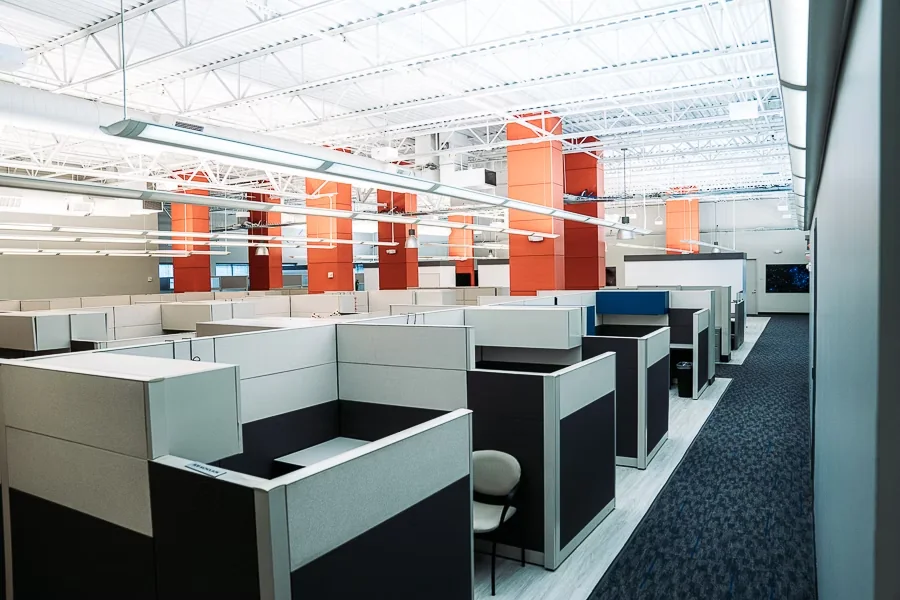
Traditional offices have been the standard workspace model for decades. These offices typically consist of leased or owned spaces with fixed layouts and dedicated workspaces. Employees work in their assigned desks or cubicles and often have limited flexibility in terms of workspace arrangement.
Features of Traditional Offices
- Fixed Lease Agreements: Traditional offices usually require long-term lease agreements, often ranging from one to five years.
- Dedicated Workspaces: Employees have assigned desks, which fosters a sense of ownership and consistency.
- Standard Amenities: Traditional offices often provide basic amenities such as meeting rooms, kitchens, and restrooms.
- Corporate Culture: These offices are designed to promote a specific corporate culture, often reflecting the company’s brand and values.
Advantages of Traditional Offices
- Stability: Long-term leases provide stability for companies that prefer to establish a permanent presence in a specific location.
- Brand Identity: A traditional office allows companies to create a recognizable brand identity through their physical space.
- Team Cohesion: Working in a fixed environment fosters relationships among employees, which can enhance teamwork and collaboration.
Disadvantages of Traditional Offices
- High Overhead Costs: Traditional offices often come with high overhead costs, including rent, utilities, and maintenance.
- Lack of Flexibility: Companies may struggle to adapt their spaces as their needs change, leading to inefficiencies.
- Commuting Challenges: Employees may face long commutes, which can impact work-life balance and job satisfaction.
Exploring Flexible Offices
Flexible offices have emerged as a popular alternative to traditional office spaces, especially in the wake of the COVID-19 pandemic. These workspaces offer a range of options that can be tailored to meet the diverse needs of businesses of all sizes.
Features of Flexible Offices
- Short-term Leases: Flexible offices typically offer short-term leases or pay-as-you-go arrangements, which can be adjusted based on current needs.
- Variety of Workspaces: Flexible office environments often include hot desks, dedicated desks, private offices, and meeting rooms.
- Community Amenities: Many flexible office spaces provide access to networking events, workshops, and social gatherings that foster collaboration.
- Modern Technology: Flexible offices are equipped with enterprise-grade technology infrastructure, including high-speed internet and video conferencing facilities.
Advantages of Flexible Offices
- Cost Efficiency: Flexible offices can reduce overhead costs, allowing companies to allocate resources more effectively.
- Agility: Businesses can quickly scale their workspace up or down based on changing demands, ensuring that they are always equipped to meet their needs.
- Work-Life Balance: Flexible office arrangements can support remote work and hybrid models, enhancing employee satisfaction and retention.
Disadvantages of Flexible Offices
- Less Personalization: In some cases, flexible offices may lack the personalization that traditional offices can offer.
- Potential for Distractions: Shared workspaces can lead to noise and distractions, making it challenging for some employees to focus.
- Variable Costs: While flexible offices can be cost-effective, they may also lead to fluctuating expenses that can be difficult to budget for.
Making the Right Choice for Your Business
When deciding between flexible offices and traditional offices, it’s essential to consider your organization’s unique needs and goals. Here are some key factors to take into account:
1. Company Size and Growth Potential
Small startups or rapidly growing businesses may benefit from the agility of flexible offices, while larger, more established companies may prefer the stability of traditional offices.
2. Budget Considerations
Evaluate your budget and determine which option aligns best with your financial goals. Flexible offices often provide cost savings, but it’s essential to analyze long-term expenses.
3. Employee Preferences
Consider the preferences and work styles of your employees. Many workers now prioritize flexibility and work-life balance, making flexible offices an appealing choice.
4. Industry Trends
Research industry trends and see how competitors are adapting their workspace strategies. This can provide insight into which option may be more suitable for your organization.
Conclusion
The choice between flexible offices and traditional offices ultimately depends on your company’s unique needs, goals, and culture. By weighing the advantages and disadvantages of each option, you can make an informed decision that supports your organization’s growth and success.
FAQs
1. What is a flexible office?
A flexible office is a workspace that offers short-term leases and a variety of workspaces, such as hot desks, dedicated desks, and private offices, allowing businesses to adapt their workspace to their evolving needs.
2. How does a traditional office differ from a flexible office?
A traditional office typically consists of long-term leases, fixed layouts, and dedicated workspaces, while flexible offices provide more adaptable options and shorter lease terms.
3. What are the benefits of flexible offices?
Flexible offices offer cost efficiency, agility, modern technology, and enhanced work-life balance for employees.
4. Are flexible offices suitable for large companies?
Yes, many large companies are now utilizing flexible office spaces to support remote work and hybrid models while maintaining a presence in the market.
5. What are the downsides of traditional offices?
Traditional offices can have high overhead costs, lack flexibility, and present commuting challenges for employees.
6. Can flexible offices promote networking opportunities?
Yes, flexible offices often provide community amenities and host networking events, encouraging collaboration and relationship building among members.
7. How do I choose the right workspace for my business?
Consider factors such as company size, budget, employee preferences, and industry trends when deciding between flexible and traditional offices.
8. What is the future of office spaces?
The future of office spaces is likely to focus on hybrid models, combining flexible and traditional elements to accommodate diverse work styles and employee needs.