
The Future of Startup Communities in the United States: Trends, Challenges, and Opportunities
As the landscape of entrepreneurship continues to evolve, the future of startup communities in the United States holds immense promise. Today, these communities are not only hubs for innovation and creativity but also vital ecosystems that support emerging businesses. In this article, we will explore the trends shaping these communities, the challenges they face, and the opportunities that lie ahead.
Understanding Startup Communities
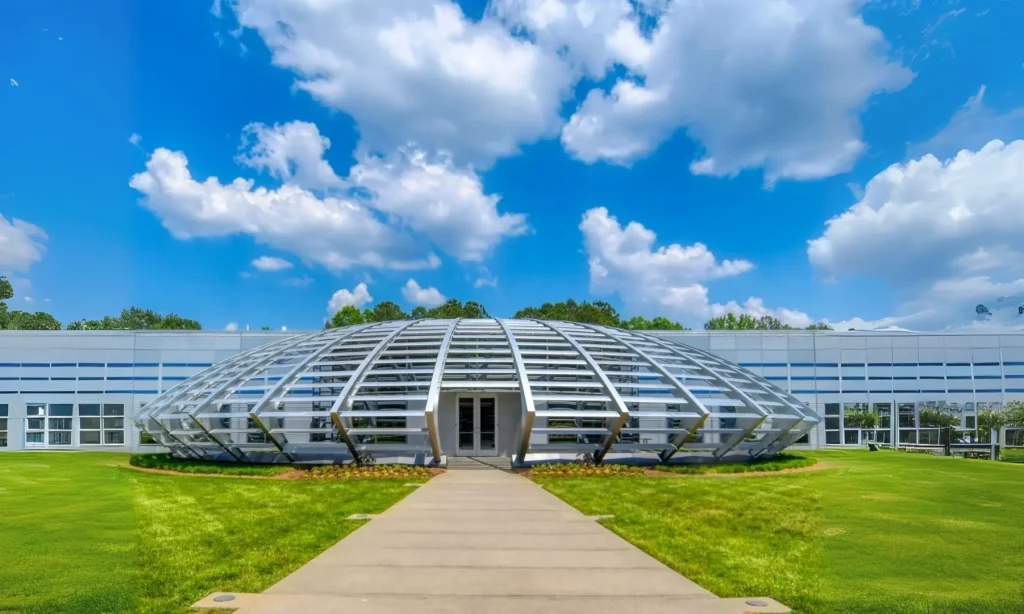
Startup communities can be defined as networks of entrepreneurs, investors, mentors, and support organizations that work together to foster the growth of new ventures. These ecosystems thrive in various forms, from coworking spaces and incubators to accelerators and networking events.
Current Trends in Startup Communities
The Rise of Remote Work
With the advent of technology and the shift towards remote work, traditional office environments are being redefined. Many startups are embracing flexible workspaces, allowing teams to collaborate from anywhere. This trend has led to the proliferation of coworking spaces like World Park, where modern private offices and collaborative environments are tailored to meet the needs of diverse businesses.
Increased Focus on Diversity and Inclusion
As the startup ecosystem matures, there is a growing emphasis on fostering diversity and inclusion. Many startup communities are now actively working to support underrepresented founders, aiming to create equitable opportunities for all entrepreneurs. Initiatives such as mentorship programs, funding opportunities, and networking events specifically designed for minority entrepreneurs are becoming more common.
Integration of Technology and Innovation
Technology is at the heart of startup communities. From enterprise-grade technology infrastructure to innovative tools that streamline business processes, the integration of technology is essential for growth. Startups are leveraging tools like AI, machine learning, and data analytics to enhance their offerings and improve operational efficiency.
Collaborative Spaces and Networking Opportunities
Startup communities are becoming increasingly collaborative. Spaces like World Park provide not only the physical infrastructure needed for startups to thrive but also opportunities for networking and collaboration. Business networking and startup events are critical in connecting entrepreneurs with investors, mentors, and potential partners.
Challenges Facing Startup Communities
Access to Funding
Despite the growth of startup communities, access to funding remains a significant challenge. Many entrepreneurs struggle to secure the necessary capital to launch or scale their businesses. While venture capital and angel investment are available, they are often concentrated in specific regions, leaving many startups without the resources they need.
Market Saturation
As more entrepreneurs enter the space, certain markets can become saturated. This saturation can lead to intense competition, making it challenging for new startups to differentiate themselves and attract customers. Navigating this competitive landscape requires innovative marketing strategies and a deep understanding of market dynamics.
Regulatory Hurdles
Entrepreneurs often face regulatory challenges that can hinder their ability to launch and grow their businesses. Compliance with local, state, and federal regulations can be complex, requiring startups to invest time and resources to navigate the legal landscape.
Building a Sustainable Community
Creating a sustainable startup community requires ongoing effort and commitment from all stakeholders. It’s essential to foster an environment where collaboration, knowledge sharing, and support are prioritized. This can be challenging in a fast-paced world where individual success is often emphasized over community growth.
Opportunities for Growth and Development
Embracing Hybrid Work Models
The future of work is hybrid, and startup communities that embrace this model will thrive. By offering flexible membership and workspace plans, organizations can cater to the evolving needs of entrepreneurs. This flexibility allows startups to scale their operations without the burden of long-term leases.
Leveraging Content Creation and Media Production
In today’s digital age, content creation is crucial for brand awareness and customer engagement. Startup communities can leverage media production support to help entrepreneurs create high-quality content that resonates with their target audience. This includes professional podcast and video production studios that enhance storytelling and brand visibility.
Fostering Innovation through Collaboration
Collaboration is key to innovation. By creating environments that encourage collaboration among startups, established businesses, and educational institutions, communities can drive innovation and economic growth. Hackathons, workshops, and collaborative projects can stimulate creative thinking and problem-solving.
Building Global Networks
Startup communities in the United States have the opportunity to connect with global markets. By fostering international partnerships and collaborations, entrepreneurs can access new markets, gain insights into global trends, and expand their reach. This global perspective can significantly enhance the growth potential of startups.
Conclusion
The future of startup communities in the United States is bright and full of potential. By understanding the trends shaping these ecosystems, addressing the challenges they face, and seizing the opportunities for growth, entrepreneurs can thrive in a supportive and innovative environment. As we move forward, it is essential to prioritize collaboration, inclusivity, and sustainability to ensure that startup communities continue to flourish.
FAQ
1. What defines a startup community?
A startup community is a network of entrepreneurs, investors, mentors, and organizations that collaborate to support new ventures and foster innovation.
2. How can coworking spaces benefit startups?
Coworking spaces provide flexible work environments, networking opportunities, and access to resources such as mentorship and funding, which are essential for startup growth.
3. What are some challenges startups face in accessing funding?
Startups often struggle with securing capital due to market saturation, reliance on venture capital concentrated in specific regions, and stringent investor criteria.
4. How important is diversity in startup communities?
Diversity is crucial as it fosters innovation, encourages varied perspectives, and helps create equitable opportunities for all entrepreneurs.
5. What role does technology play in startup communities?
Technology facilitates collaboration, enhances operational efficiency, and enables startups to leverage innovative tools to improve their products and services.
6. How can startups navigate regulatory challenges?
Startups can navigate regulatory challenges by seeking legal advice, staying informed about compliance requirements, and engaging with local business associations.
7. What opportunities exist for collaboration in startup communities?
Opportunities for collaboration include networking events, workshops, hackathons, and partnerships with educational institutions and established companies.
8. How can startups leverage media production for growth?
Startups can use media production to create high-quality content that enhances brand visibility, engages customers, and drives marketing efforts.
9. What is the significance of hybrid work models for startups?
Hybrid work models provide startups with flexibility, allowing them to adapt to changing workforce needs and scale without costly overhead.
10. How can startup communities sustain growth over time?
Startup communities can sustain growth by fostering collaboration, prioritizing inclusivity, and continuously providing resources and support for entrepreneurs.