
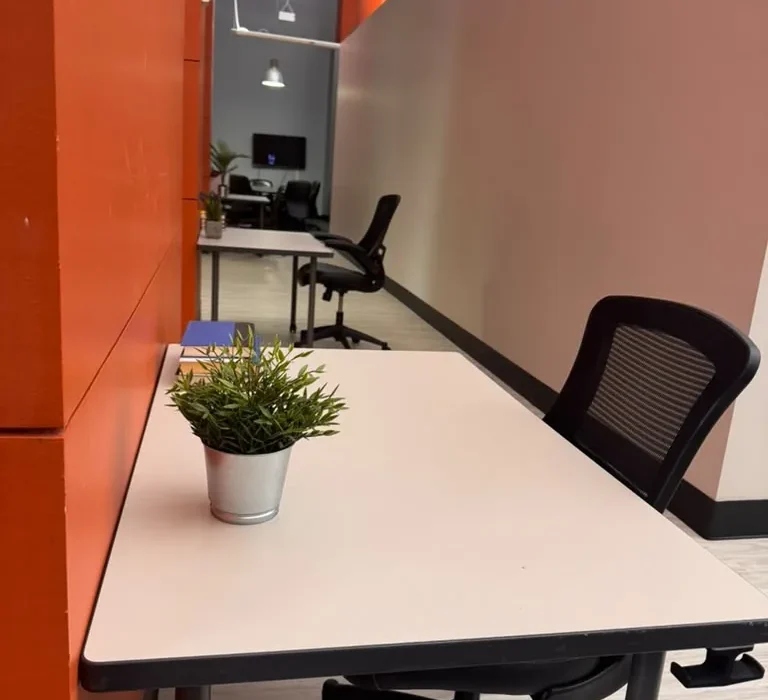
Why Remote Teams Still Need Physical Workspaces
The rise of remote work has transformed the traditional office landscape, leading many companies to embrace flexible work arrangements. While working from home offers numerous benefits, the importance of physical workspaces remains significant. In this article, we explore why remote teams still need physical workspaces, focusing on collaboration, productivity, and community.
The Evolution of Workspaces
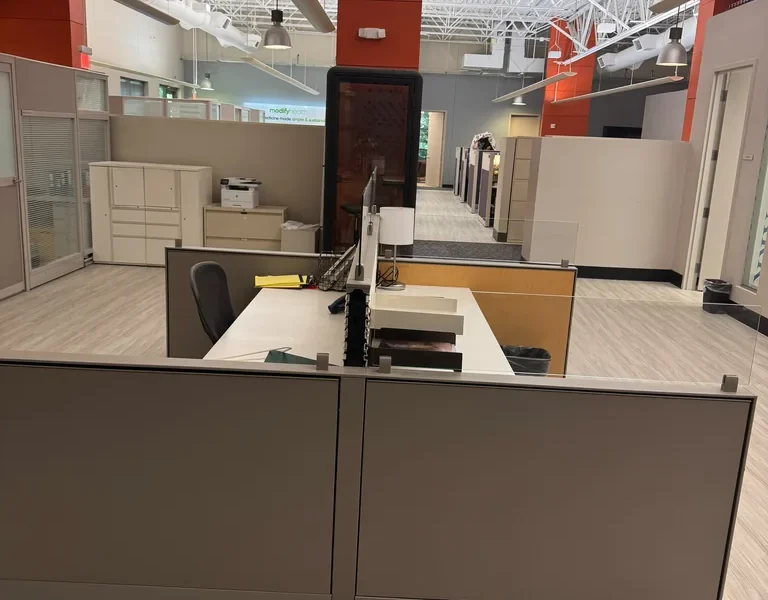
Over the past few years, the workplace has undergone a major transformation. With advancements in technology and changing workforce demographics, the traditional office model is being challenged. Remote work has become more mainstream, driven by the need for flexibility and work-life balance. However, as companies navigate this new landscape, the need for physical workspaces has not diminished.
The Hybrid Work Model
The hybrid work model has gained traction as organizations seek to create a balance between remote and in-office work. This model allows employees to enjoy the flexibility of working from home while still benefiting from the advantages of a physical workspace. Companies like World Park are leading the way by providing modern private offices and coworking environments tailored for these hybrid teams.
The Benefits of Physical Workspaces
While remote work offers convenience, physical workspaces provide unique advantages that cannot be replicated at home. Here are some key benefits:
1. Enhanced Collaboration
Collaboration is at the heart of any successful team. Physical workspaces foster an environment where spontaneous discussions and brainstorming sessions can occur. In-person interactions lead to better communication, idea-sharing, and ultimately, more innovative solutions.
2. Improved Productivity
Many remote workers find it challenging to separate work from personal life. A designated workspace helps create boundaries, allowing employees to focus better and be more productive. At World Park, our flexible membership plans cater to various working styles, ensuring teams have the environment they need to thrive.
3. Networking Opportunities
Physical workspaces offer invaluable networking opportunities. Being in a shared environment allows employees to connect with like-minded individuals and industry professionals. Regular business networking and startup events hosted by coworking spaces like World Park can lead to valuable partnerships and collaborations.
4. Access to Resources
Remote workers often miss out on access to essential resources. Physical workspaces are equipped with enterprise-grade technology infrastructure, which includes high-speed internet, meeting rooms, and production studios. This access can significantly enhance the quality of work and enable teams to produce high-quality content.
5. Support for Content Creation
In today’s digital landscape, content creation is critical for brand visibility. Physical workspaces like World Park provide professional podcast and video production studios that equip teams with the tools needed for effective media production. This support enables teams to create engaging content that resonates with their audience.
Building a Collaborative Community
One of the most significant advantages of physical workspaces is the sense of community they foster. Remote work can often feel isolating, leading to feelings of loneliness among employees. Here’s how physical workspaces help build a collaborative community:
1. Shared Experiences
Working in a shared environment allows individuals to share experiences, learn from one another, and create a sense of belonging. This camaraderie can lead to increased morale and job satisfaction.
2. Innovation-Focused Culture
Physical workspaces often encourage an innovation-focused culture where ideas are freely exchanged, and collaboration is prioritized. By working alongside other creative professionals, remote teams can gain fresh perspectives and insights, sparking innovation.
3. Professional Development
Many coworking spaces offer workshops and training sessions that can help remote teams enhance their skills. These opportunities for professional development are crucial for growth and can lead to career advancement.
Conclusion
While remote work has transformed the way we view the workplace, the need for physical workspaces remains vital. The benefits of enhanced collaboration, improved productivity, and community building cannot be overlooked. Companies should consider adopting a hybrid work model that incorporates both remote and in-office elements to create a balanced and effective work environment. World Park offers modern private offices and coworking spaces designed for the future of work, ensuring that remote teams have access to the resources and community they need to succeed.
FAQs
1. Why are physical workspaces important for remote teams?
Physical workspaces enhance collaboration, productivity, and networking opportunities, which can be challenging to achieve in a fully remote setting.
2. What is a hybrid work model?
A hybrid work model combines remote work with in-office work, allowing employees to choose where they work based on their needs.
3. How can coworking spaces support remote teams?
Coworking spaces provide access to resources, networking opportunities, and a collaborative environment that fosters innovation and productivity.
4. What kind of technology can I find in a physical workspace?
Physical workspaces often have enterprise-grade technology infrastructure, including high-speed internet, meeting rooms, and production studios.
5. Do coworking spaces offer professional development opportunities?
Yes, many coworking spaces provide workshops and training sessions to help remote teams enhance their skills.
6. How do physical workspaces help with content creation?
Physical workspaces may offer specialized facilities, such as podcast and video production studios, to help teams create high-quality content.
7. Can remote teams still benefit from in-person networking?
Absolutely! In-person networking opportunities at physical workspaces can lead to valuable partnerships and collaborations.
8. What are the membership options available at coworking spaces?
Coworking spaces typically offer flexible membership plans that cater to different working styles and needs, making it easier for teams to find the right fit.