How Startup Campuses Are Replacing Traditional Offices: The Future of Workspaces
The landscape of workspaces is undergoing a remarkable transformation, driven by the rise of startup campuses. These innovative environments are not just reshaping how startups operate; they are also challenging the very concept of traditional offices. In this article, we will explore the many facets of startup campuses, their advantages over conventional office spaces, and how they foster creativity, collaboration, and growth in the modern business world.
What is a Startup Campus?

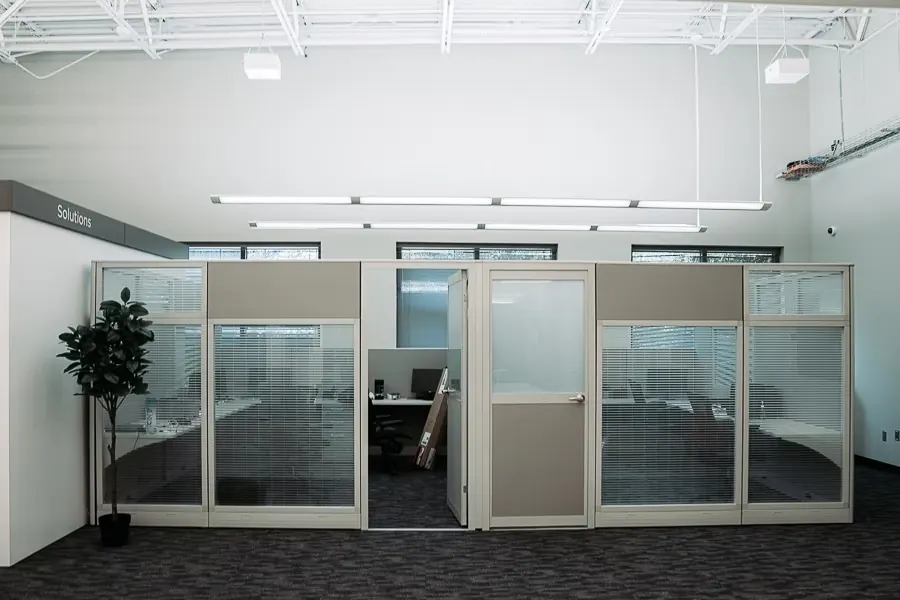
A startup campus is a dedicated space designed to support startups and entrepreneurs by providing a range of resources and amenities tailored to their needs. Unlike traditional offices, which often consist of isolated cubicles and rigid hierarchies, startup campuses promote a collaborative and dynamic atmosphere. They typically include modern private offices, coworking spaces, meeting rooms, and specialized facilities such as podcast and video production studios.
The Shift from Traditional Offices to Startup Campuses
Changing Work Culture
The shift from traditional offices to startup campuses is largely driven by changes in work culture. Today’s workforce values flexibility, collaboration, and innovation over the rigidity of conventional office environments. Startup campuses embody these values, promoting a culture where creativity can flourish. Employees are encouraged to share ideas and collaborate, leading to increased productivity and job satisfaction.
Cost-Effectiveness
For many startups, traditional office spaces can be prohibitively expensive. Startup campuses offer flexible membership and workspace plans that allow businesses to scale up or down as needed. This flexibility can be a game-changer for startups that are still finding their footing in a competitive market. By providing access to enterprise-grade technology infrastructure and essential business services without the burden of long-term leases, startup campuses significantly reduce overhead costs.
Access to Resources and Networking Opportunities
One of the most compelling advantages of startup campuses is the access to resources that they provide. Many campuses host events such as business networking and startup events, which can be invaluable for young companies looking to connect with potential investors, partners, and mentors. Additionally, startup campuses often include support for content creation and media production, equipping entrepreneurs with the tools they need to tell their stories effectively.
The Benefits of Startup Campuses
1. Fostering Innovation
Innovation is at the heart of every successful startup, and startup campuses create an environment that nurtures this quality. By placing like-minded entrepreneurs in close proximity, these campuses encourage the exchange of ideas and collaboration. This synergy can lead to new concepts, products, and solutions that may not have emerged in a traditional office setting.
2. Building a Collaborative Community
Startup campuses are designed to foster a sense of community. They often feature communal spaces where individuals can gather, brainstorm, and socialize. This collaborative environment helps to break down barriers between different startups, encouraging the sharing of resources and knowledge. As a result, businesses can learn from each other’s successes and failures, ultimately leading to greater overall success.
3. Flexibility and Scalability
One of the most significant advantages of startup campuses is their flexibility. Startups can choose from various workspace options, including private offices, shared desks, and meeting rooms, depending on their needs. This scalability allows businesses to grow without the constraints of a traditional office lease, making it easier to adapt to changing market conditions.
4. Enhanced Work-Life Balance
Startup campuses often prioritize the well-being of their members by providing amenities such as wellness programs, recreational areas, and access to healthy food options. This focus on work-life balance can help reduce stress and increase employee satisfaction, ultimately leading to higher retention rates and productivity.
How to Choose the Right Startup Campus
As the popularity of startup campuses continues to grow, it is essential for entrepreneurs to choose the right one for their needs. Here are some factors to consider:
1. Location
The location of the startup campus can significantly impact a business’s success. Look for campuses situated in vibrant neighborhoods with access to public transportation, restaurants, and other amenities. Proximity to potential clients, partners, and investors is also crucial.
2. Facilities and Resources
Evaluate the facilities and resources offered by the startup campus. Consider whether they provide access to meeting rooms, technology infrastructure, and production studios. Additionally, check if they host events and networking opportunities that align with your business goals.
3. Community and Culture
The culture of the startup campus is vital. Attend events or workshops to get a feel for the community and its values. A supportive and collaborative environment will contribute to your startup’s success.
4. Flexibility in Membership Plans
Look for campuses that offer flexible membership plans that can accommodate your business’s growth. This flexibility will allow you to scale your operations without the stress of long-term contracts.
The Future of Workspaces
As we move further into the 21st century, the traditional office model is becoming increasingly obsolete. The rise of startup campuses reflects a broader trend towards more flexible, collaborative, and innovative workspaces. These campuses are not just a passing trend; they are shaping the future of work. Companies that adapt to this new paradigm will be better positioned to thrive in the competitive landscape of today’s economy.
Conclusion
Startup campuses are redefining how we think about workspaces, providing entrepreneurs with the resources, community, and flexibility they need to succeed. By embracing this new model, businesses can foster innovation, enhance collaboration, and ultimately drive growth. As traditional offices fade into the background, startup campuses are paving the way for a brighter future in the world of work.
Frequently Asked Questions (FAQ)
1. What is a startup campus?
A startup campus is a workspace designed specifically for startups and entrepreneurs, offering resources, networking opportunities, and a collaborative environment.
2. How do startup campuses differ from traditional offices?
Startup campuses promote collaboration and flexibility, whereas traditional offices often have rigid structures and isolated workspaces.
3. What are the benefits of working in a startup campus?
Benefits include lower costs, access to resources, networking opportunities, and a supportive community that fosters innovation.
4. Can startup campuses accommodate different business sizes?
Yes, startup campuses offer flexible membership plans that can scale with the growth of your business.
5. Are startup campuses only for tech companies?
No, startup campuses cater to a variety of industries, including tech, creative, and service-based businesses.
6. How do I choose the right startup campus for my business?
Consider factors such as location, facilities, community culture, and flexibility in membership plans.
7. What types of events do startup campuses host?
Startup campuses often host networking events, workshops, and seminars to help entrepreneurs connect and learn.
8. How can startup campuses help with content creation?
Many startup campuses provide access to media production studios and resources to support content creation efforts.
9. What amenities can I expect at a startup campus?
Amenities vary by campus but may include meeting rooms, high-speed internet, communal spaces, and wellness programs.
10. Are startup campuses a good option for remote workers?
Yes, startup campuses can provide remote workers with a professional environment, networking opportunities, and access to resources.