The Creator Economy and the Rising Demand for Studio Spaces
In recent years, the term ‘creator economy’ has gained significant traction, reflecting a seismic shift in how individuals and businesses generate income through content creation. With the proliferation of social media platforms, streaming services, and online marketplaces, creators are carving out lucrative niches for themselves. This blog delves into the creator economy, exploring its implications and the rising demand for studio spaces that cater to this burgeoning sector.
Understanding the Creator Economy
The creator economy encompasses a wide range of individuals who produce content for digital platforms, including artists, musicians, podcasters, video creators, and influencers. These creators often monetize their work through various channels such as sponsorships, merchandise sales, subscription models, and crowdfunding.
The Growth of Content Creation
As the digital landscape evolves, more people are discovering their passion for creating content. Platforms like YouTube, TikTok, and Instagram have democratized content creation, allowing anyone with a smartphone to become a creator. According to a report by SignalFire, there are over 50 million creators globally, and this number continues to grow.
Monetization Opportunities
Creators have access to numerous monetization opportunities, which has transformed content creation from a hobby into a viable career. Influencers can partner with brands for sponsored content, while video creators can earn revenue through ad placements and affiliate marketing. Additionally, platforms like Patreon enable fans to support their favorite creators directly through subscriptions.
The Importance of Studio Spaces for Creators
As the demand for quality content rises, so does the need for professional studio spaces. Creators require environments that foster creativity, productivity, and collaboration. Here’s why studio spaces are becoming essential for the creator economy:
High-Quality Production
To stand out in a saturated market, creators must produce high-quality content. This often requires access to professional-grade equipment and facilities, including cameras, lighting, sound systems, and editing software. Studio spaces provide the necessary infrastructure to create polished work that resonates with audiences.
Networking Opportunities
Studio spaces often foster a collaborative environment, allowing creators to connect with like-minded individuals. Networking events, workshops, and shared spaces encourage interaction and collaboration, leading to new partnerships and opportunities.
Flexibility and Adaptability
Many creators work on diverse projects that demand different setups. Studio spaces offer flexible memberships and workspace plans, allowing creators to adapt their environments based on their needs. This flexibility is vital for creators who may need to create varying types of content, from podcasts to video shoots.
Access to Resources and Support
In addition to physical resources, many studio spaces provide additional support services, including content creation and media production guidance. This helps creators navigate the complexities of the industry, from marketing to distribution.
Types of Studio Spaces for Creators
There are various types of studio spaces available to meet the diverse needs of creators:
Podcasting Studios
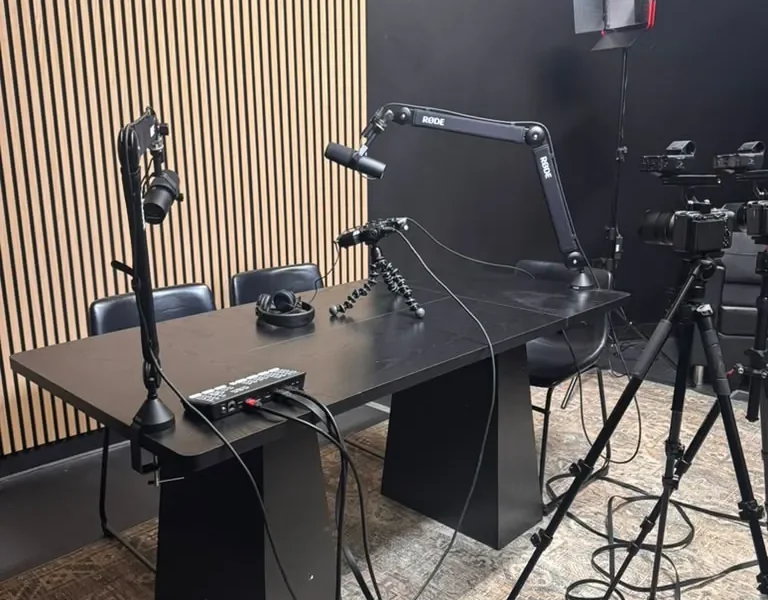
Podcasting has exploded in popularity, leading to a demand for professional podcasting studios equipped with high-quality microphones, soundproofing, and editing software. These studios help creators produce clear and engaging audio content.
Video Production Studios
Video content remains a dominant form of media consumption. Video production studios are designed with lighting, backdrops, and advanced cameras, enabling creators to produce visually stunning content.
Photography Studios
Photographers and visual content creators benefit from dedicated photography studios that provide the necessary equipment and space for shoots. These studios often include backdrops, props, and lighting setups.
Co-working Spaces
Co-working spaces offer a collaborative environment where creators can work alongside other professionals. These spaces often host networking events and workshops, enhancing the overall creator experience.
The Future of the Creator Economy
The creator economy is poised for continued growth, with trends indicating an increasing reliance on digital content. As more individuals pursue content creation as a career, the demand for studio spaces will likely rise. Additionally, advancements in technology, such as virtual reality and artificial intelligence, will continue to shape the landscape of content creation.
Embracing Innovation
To stay competitive, creators must embrace innovation. This includes leveraging new technologies, exploring emerging platforms, and adapting to changing audience preferences. Studio spaces that prioritize innovation will be at the forefront of this evolution.
Global Reach and Local Communities
The creator economy allows individuals to reach global audiences while maintaining local connections. Studio spaces that foster a sense of community will play a crucial role in supporting creators, providing them with the resources and connections needed to thrive.
Conclusion
The creator economy is not just a passing trend; it represents a fundamental shift in how content is produced and consumed. As more individuals pursue careers in content creation, the demand for professional studio spaces will continue to grow. By providing high-quality production environments, networking opportunities, and access to resources, studio spaces play a vital role in supporting the creative endeavors of individuals within the creator economy.
Frequently Asked Questions
1. What is the creator economy?
The creator economy refers to the ecosystem where individuals create and monetize content for digital platforms, including social media, podcasts, and video streaming.
2. Why do creators need studio spaces?
Creators need studio spaces to produce high-quality content, access professional equipment, and benefit from networking opportunities with other creators.
3. What types of studio spaces are available for creators?
There are various studio spaces available, including podcasting studios, video production studios, photography studios, and co-working spaces.
4. How can studio spaces support creators?
Studio spaces support creators by providing access to high-quality equipment, flexible workspace plans, and additional resources and services for content creation.
5. What are the monetization opportunities for creators?
Creators can monetize their content through sponsorships, merchandise sales, subscription models, and crowdfunding platforms.
6. How has the creator economy evolved in recent years?
The creator economy has evolved significantly due to the rise of social media and digital platforms, enabling more individuals to pursue content creation as a career.
7. What role does networking play in the creator economy?
Networking is crucial in the creator economy as it fosters collaboration, partnerships, and opportunities for creators to grow their audience and reach.
8. What is the future of the creator economy?
The future of the creator economy looks promising, with continued growth expected as technology advances and more individuals pursue content creation as a viable career.