
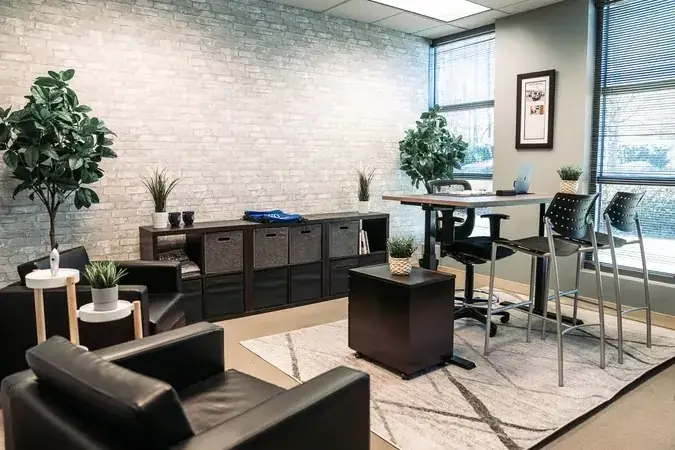
The New Era of Entrepreneur Workspaces: Redefining Collaboration and Innovation
In today’s fast-paced world, the traditional office setup is becoming a relic of the past. The rise of entrepreneurship and the gig economy has paved the way for a new era of workspaces—one that is flexible, collaborative, and designed to foster innovation. This article explores the evolution of entrepreneur workspaces, the key features that define them, and how they support the diverse needs of modern entrepreneurs.
The Evolution of Workspaces
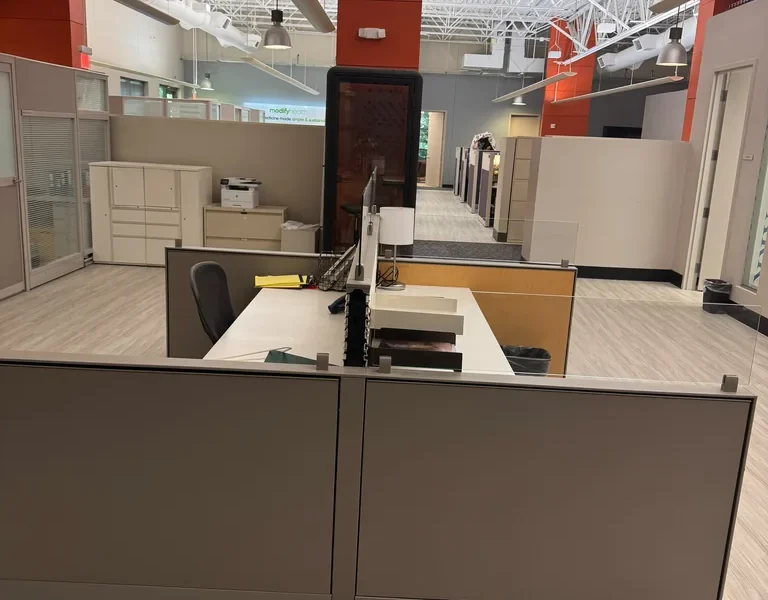
As businesses adapt to the changing landscape of work, the demand for innovative workspaces has surged. Gone are the days when employees were confined to cubicles in a static office environment. Today’s entrepreneurs are seeking spaces that not only accommodate their work needs but also inspire creativity and foster collaboration.
The Shift from Traditional Offices
Traditional offices often come with rigid structures, limited flexibility, and a one-size-fits-all approach. This setup can stifle creativity and hinder collaboration among team members. The rise of technology and remote work has encouraged a shift towards more dynamic and adaptable work environments.
The Impact of Technology
Advancements in technology have transformed the way we work. High-speed internet, cloud computing, and collaborative tools have made it easier for teams to work together regardless of their physical location. This has led to the emergence of coworking spaces and modern office solutions that cater to the needs of entrepreneurs.
Modern entrepreneur workspaces are designed to meet the needs of today’s businesses. Here are some of the key features that define these innovative environments:
1. Flexible Membership Plans
One of the most significant advantages of modern workspaces is the flexibility they offer. Entrepreneurs can choose from various membership plans that cater to their specific needs, whether they require a dedicated office, a shared workspace, or just occasional access to meeting rooms.
2. Collaborative Environments
Collaboration is at the heart of entrepreneurship. Modern workspaces are designed to encourage interaction and networking among members. Open layouts, communal areas, and event spaces create opportunities for entrepreneurs to connect, share ideas, and collaborate on projects.
3. Professional Amenities
Today’s entrepreneurs demand professional amenities that support their business operations. Modern workspaces often come equipped with high-quality equipment, meeting rooms, and advanced technology infrastructure, ensuring that entrepreneurs can focus on their work without worrying about logistics.
4. Support for Content Creation
In the digital age, content creation is essential for building a brand and reaching customers. Many modern workspaces offer dedicated studios for podcasting and video production, providing entrepreneurs with the resources they need to create high-quality content.
5. Networking Opportunities
Networking is crucial for entrepreneurs looking to grow their businesses. Many modern workspaces host regular networking events, workshops, and seminars, providing members with valuable opportunities to connect with industry leaders and potential collaborators.
The Benefits of Modern Workspaces for Entrepreneurs
Choosing a modern workspace comes with numerous benefits that can help entrepreneurs thrive:
1. Enhanced Productivity
Flexible work environments can lead to enhanced productivity. Entrepreneurs can select a workspace that aligns with their work style, whether they prefer a quiet area for focused tasks or a lively environment for brainstorming sessions.
2. Cost-Effective Solutions
For startups and small businesses, managing costs is crucial. Modern workspaces provide cost-effective solutions by eliminating the need for long-term leases and high overhead expenses. Entrepreneurs can pay for what they need, when they need it.
3. Access to Resources
With access to professional amenities and support services, entrepreneurs can leverage resources that may otherwise be out of reach. This includes high-speed internet, meeting rooms, and even mentorship programs that can accelerate their growth.
4. Fostering Innovation
Innovation thrives in collaborative environments. Modern workspaces bring together diverse talents and perspectives, fostering a culture of creativity and problem-solving that can lead to breakthrough ideas and solutions.
Choosing the Right Workspace
With numerous options available, selecting the right workspace can feel overwhelming. Here are some factors to consider when choosing a workspace:
1. Location
The location of a workspace can significantly impact your business. Look for spaces that are easily accessible for you and your clients, ideally located in vibrant neighborhoods with a strong entrepreneurial ecosystem.
2. Amenities and Services
Evaluate the amenities and services offered by the workspace. Ensure that they align with your business needs, whether it’s access to high-quality equipment, meeting rooms, or support for content creation.
3. Community and Networking
The community within a workspace can greatly influence your experience. Choose a space that fosters a sense of community and offers networking opportunities with other entrepreneurs.
4. Flexibility
Consider your future needs. Choose a workspace that offers flexibility in membership plans, allowing you to scale your workspace as your business grows.
The Future of Entrepreneur Workspaces
As the nature of work continues to evolve, so too will entrepreneur workspaces. The future will likely see even more emphasis on sustainability, wellness, and technology integration in work environments. Creating spaces that prioritize the health and well-being of entrepreneurs will be vital in attracting top talent and fostering innovation.
Conclusion
The new era of entrepreneur workspaces represents a significant shift in how we approach work. By offering flexible, collaborative, and resource-rich environments, these spaces are redefining the entrepreneurial experience. As more entrepreneurs embrace this model, the potential for innovation and collaboration will only continue to grow.
Frequently Asked Questions (FAQ)
1. What is a coworking space?
A coworking space is a shared workspace where individuals from different companies or backgrounds can work independently while also having opportunities for collaboration.
2. How can modern workspaces benefit startups?
Modern workspaces offer flexible plans, networking opportunities, and access to professional amenities, making them ideal for startups looking to minimize costs while maximizing resources.
3. Are modern workspaces suitable for remote workers?
Yes, modern workspaces are perfect for remote workers who need a professional environment to be productive, as well as opportunities for networking and collaboration.
4. What types of amenities can I expect in a modern workspace?
Modern workspaces typically include high-speed internet, meeting rooms, event spaces, and support for content creation, such as podcast and video studios.
5. How do I choose the right workspace?
Consider factors such as location, amenities, community, and flexibility when choosing a workspace that meets your business needs.
6. Can I rent a private office in a coworking space?
Yes, many coworking spaces offer private offices for individuals or teams who require more privacy while still benefiting from the shared resources of the space.
7. What networking opportunities are available in modern workspaces?
Modern workspaces often host events, workshops, and seminars that encourage networking among members, providing valuable connections and collaborations.
8. How do modern workspaces support content creation?
Many modern workspaces have dedicated studios for podcasting and video production, along with resources to assist entrepreneurs in their content creation efforts.
9. Are modern workspaces only for tech startups?
No, modern workspaces cater to a wide range of industries and business types, including freelancers, creatives, and established companies.
10. What is the future of workspaces?
The future of workspaces is likely to focus on sustainability, wellness, and advanced technology integration, creating environments that support the health and productivity of their members.
- The Growth of Entrepreneur Communities in Georgia: A Comprehensive Overview
- Why Entrepreneurs Prefer Community-Based Workspaces: The Advantages of Collaborative Environments
- The Future of Entrepreneurship in Smaller Tech Cities
- Why Creative Entrepreneurs Need Collaborative Workspaces
- Private and team offices in Alpharetta