The Future of Creative Workspaces for Content Creators
As the landscape of work continues to evolve, so too does the concept of creative workspaces, especially for content creators. The rise of digital media and the increasing demand for high-quality content have led to a transformation in how and where creative professionals operate. In this blog post, we will explore the future of creative workspaces, outlining key trends, technologies, and innovations that are shaping the environment for content creators.
The Rise of Creative Workspaces
Creative workspaces have emerged as essential havens for artists, writers, videographers, and other content creators. These spaces allow for collaboration, inspiration, and innovation, fostering an atmosphere conducive to creativity. With the growth of remote work and the gig economy, creative workspaces have become increasingly popular, offering flexible options for professionals seeking to produce high-quality content.
Collaboration and Community
One of the most significant trends in the future of creative workspaces is the emphasis on collaboration and community. Content creators thrive in environments where ideas can be shared, feedback can be exchanged, and partnerships can be formed. Modern creative workspaces are designed to facilitate this collaboration, providing open layouts, communal areas, and meeting rooms equipped with the latest technology.
Networking Opportunities
In addition to collaboration, creative workspaces foster networking opportunities among content creators. Many facilities host regular events, workshops, and seminars, allowing professionals to connect with like-minded individuals and industry leaders. This networking aspect plays a crucial role in the growth and success of content creators, opening doors to new projects and partnerships.
Technology Integration in Creative Workspaces
As technology continues to advance, creative workspaces are integrating cutting-edge tools and infrastructure to support content creators. High-speed internet, enterprise-grade technology, and advanced multimedia equipment are becoming standard features in these environments.
Podcast and Video Production Studios
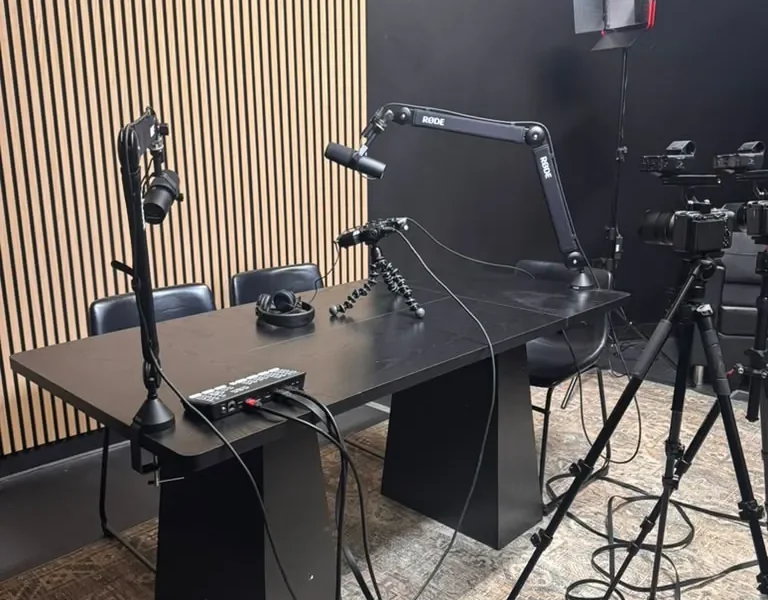
With the growing popularity of podcasts and video content, many creative workspaces are incorporating professional-grade podcast and video production studios. These facilities allow content creators to produce high-quality audio and visual content without the need to invest in expensive equipment. Access to soundproof studios, quality cameras, and editing software can greatly enhance the production value of content.
Virtual Reality and Augmented Reality
The future of creative workspaces will likely see an increased integration of virtual reality (VR) and augmented reality (AR) technologies. These innovations have the potential to revolutionize the way content creators conceptualize and produce their work. For instance, VR can provide immersive environments for storytelling, while AR can enhance content delivery by blending digital elements with the real world.
Flexible Membership Plans
As the needs of content creators vary widely, flexible membership and workspace plans are becoming more prevalent. Creative workspaces offer a range of options, from dedicated desks to hot desking and private offices. This flexibility allows content creators to choose a workspace that suits their specific needs, whether they require a quiet place to write, a collaborative area for brainstorming, or a fully-equipped studio for production.
Short-Term and Long-Term Options
Many creative workspaces provide both short-term and long-term membership options, catering to the fluctuating demands of content creators. Whether you are a freelancer looking for a temporary workspace or a startup needing a permanent home, these flexible plans make it easier to adapt to changing circumstances.
Innovative Design and Aesthetic Appeal
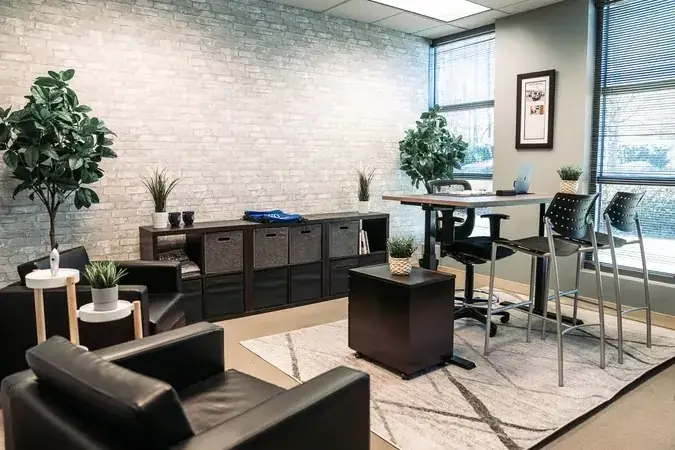
The design of creative workspaces is also evolving to inspire creativity and productivity. Modern workspaces often feature vibrant colors, unique furnishings, and artistic decor that stimulate the senses and promote a creative atmosphere. The aesthetic appeal of these spaces can significantly impact the work produced within them.
Biophilic Design
One notable trend in workspace design is the incorporation of biophilic elements—natural features such as plants, natural light, and water elements. Research has shown that exposure to nature can enhance creativity and reduce stress, making biophilic design an appealing choice for creative workspaces.
Flexible Layouts
Flexible layouts that can be easily reconfigured to accommodate different activities are becoming increasingly common in creative workspaces. This adaptability allows for a variety of setups, whether it’s a workshop, a brainstorming session, or a quiet area for focused work.
The Shift Towards Sustainability
As awareness of environmental issues grows, many creative workspaces are adopting sustainable practices. From using eco-friendly materials in their design to implementing energy-efficient systems, the focus on sustainability is shaping the future of creative workspaces.
Green Certifications
Creative workspaces are increasingly seeking green certifications to demonstrate their commitment to sustainability. This not only attracts environmentally-conscious content creators but also helps reduce the ecological footprint of the workspace.
Waste Reduction Initiatives
Implementing waste reduction initiatives, such as recycling programs and composting, is another way creative workspaces are promoting sustainability. These efforts contribute to a healthier planet while creating a positive image for the workspace.
Conclusion
The future of creative workspaces for content creators is bright and filled with potential. With a focus on collaboration, technology integration, flexible plans, innovative design, and sustainability, these environments are poised to support and inspire the next generation of content creators. As the demand for high-quality content continues to grow, the evolution of creative workspaces will play a vital role in shaping the future of the industry.
FAQ
What are creative workspaces?
Creative workspaces are environments designed to foster creativity and collaboration among professionals in fields such as writing, design, and multimedia production.
How can creative workspaces benefit content creators?
Creative workspaces provide access to professional equipment, networking opportunities, collaborative environments, and flexible membership options, all of which can enhance productivity and creativity.
What types of technology are available in modern creative workspaces?
Modern creative workspaces often feature high-speed internet, multimedia production studios, and tools for virtual and augmented reality experiences.
Are there flexible membership options in creative workspaces?
Yes, many creative workspaces offer flexible membership plans ranging from hot desking to private offices, catering to the varying needs of content creators.
How do creative workspaces promote collaboration?
Creative workspaces are designed with open layouts, communal areas, and regular networking events, encouraging collaboration and idea-sharing among professionals.
What is biophilic design?
Biophilic design incorporates natural elements, such as plants and natural light, into a workspace to enhance creativity and well-being.
How are creative workspaces becoming more sustainable?
Creative workspaces are implementing eco-friendly practices, seeking green certifications, and promoting waste reduction initiatives to contribute to sustainability.
What role do networking events play in creative workspaces?
Networking events in creative workspaces provide opportunities for content creators to connect, collaborate, and gain insights from industry leaders, facilitating professional growth.
Can creative workspaces support both freelancers and startups?
Yes, creative workspaces often cater to a diverse range of professionals, including freelancers and startups, by offering flexible workspace solutions.
What is the future outlook for creative workspaces?
The future of creative workspaces is expected to focus on enhanced collaboration, advanced technology integration, sustainable practices, and innovative designs to meet the needs of content creators.