
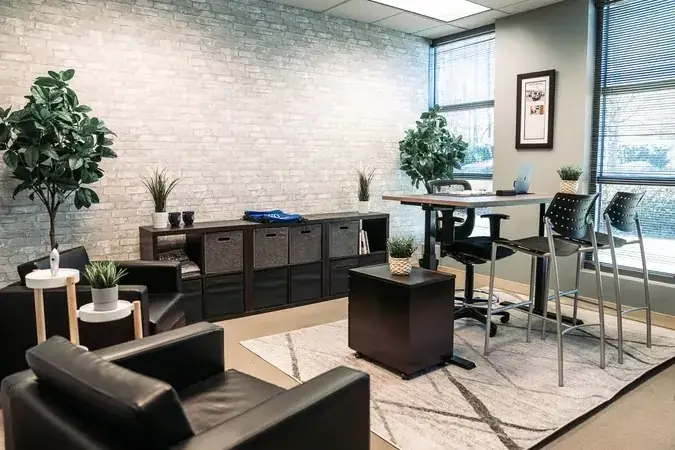
The Future of Entrepreneur Workspaces: Embracing Flexibility and Innovation
In the ever-evolving landscape of entrepreneurship, the workspace plays a crucial role in determining the success of startups and small businesses. As we move further into the 21st century, traditional office setups are rapidly transforming into more dynamic and flexible environments. In this article, we will explore the future of entrepreneur workspaces, highlighting the key trends that are shaping how we work, collaborate, and innovate.
The Shift from Traditional Offices to Flexible Workspaces
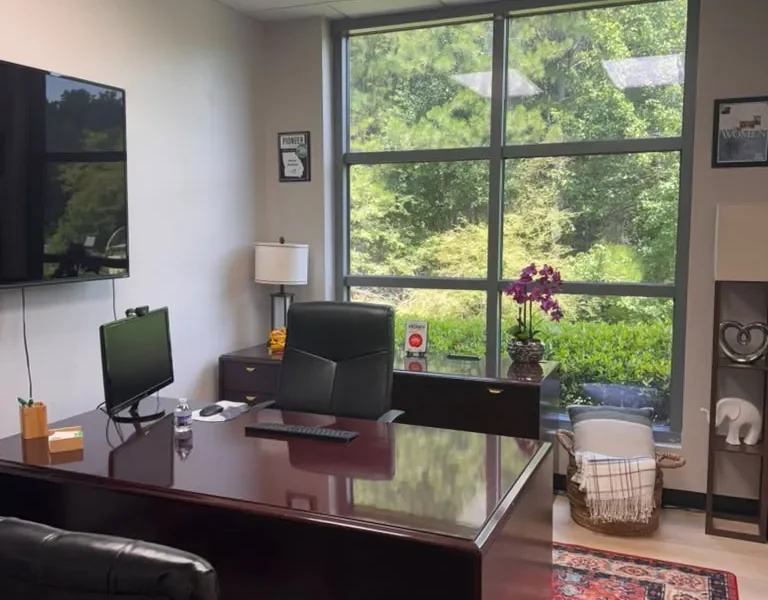
For decades, the conventional office space was characterized by cubicles, fixed workstations, and a rigid nine-to-five schedule. However, the rise of remote work and the gig economy has necessitated a shift towards more adaptable work environments. Entrepreneurs today are seeking spaces that foster creativity, collaboration, and productivity. Flexible workspaces, such as coworking spaces and shared offices, have emerged as a viable solution to meet these demands.
Benefits of Flexible Workspaces
Flexible workspaces offer numerous benefits that cater to the needs of modern entrepreneurs:
- Cost-Effectiveness: Renting a traditional office can be expensive, especially for startups. Flexible workspaces typically offer various membership plans that allow entrepreneurs to pay for only the space and services they need.
- Networking Opportunities: Coworking spaces foster a sense of community, bringing together individuals from diverse industries. This environment encourages networking, collaboration, and knowledge sharing, which can be invaluable for entrepreneurs.
- Enhanced Productivity: Many flexible workspaces are designed with productivity in mind, offering ergonomic furniture, quiet zones, and collaborative areas that help boost focus and creativity.
- Access to Resources: Many coworking spaces provide access to enterprise-grade technology, meeting rooms, and professional support services, which can be essential for startups trying to establish themselves.
Technology Integration in Workspaces
As technology continues to advance, entrepreneur workspaces are increasingly integrating innovative solutions to enhance the working experience. From smart office systems to advanced communication tools, technology is reshaping how we interact with our environment.
Smart Office Solutions
Smart office technology includes automated lighting, climate control, and security systems, all of which contribute to a more efficient workspace. Entrepreneurs can benefit from:
- Improved Energy Efficiency: Smart systems can monitor energy usage and adjust settings accordingly, reducing costs and environmental impact.
- Enhanced Comfort: Personalized control over lighting and temperature can create a more comfortable working environment for individuals.
Collaboration Tools
With the rise of remote work, collaboration tools have become essential for entrepreneurs. Platforms like Slack, Zoom, and Asana enable teams to communicate and collaborate seamlessly, regardless of their physical location. The future workspace will likely see:
- Virtual Reality (VR) Collaboration: VR technology can create immersive meeting experiences, allowing teams to collaborate in a virtual space.
- Artificial Intelligence (AI) Integration: AI can assist in project management, scheduling, and even customer service, freeing up entrepreneurs to focus on their core business activities.
The Role of Community in Workspaces
As the nature of work continues to change, the importance of community within workspaces cannot be overstated. A supportive community can provide entrepreneurs with the motivation, resources, and connections needed to thrive.
Building a Collaborative Culture
Entrepreneurs should actively participate in cultivating a collaborative culture within their workspace. This can be achieved through:
- Networking Events: Hosting regular networking events, workshops, and seminars can encourage interaction among members and foster a sense of belonging.
- Mentorship Programs: Pairing experienced entrepreneurs with newcomers can facilitate knowledge sharing and skill development.
Encouraging Innovation
Workspaces that prioritize innovation often provide dedicated areas for brainstorming, prototyping, and experimentation. Creating an environment where entrepreneurs feel free to explore new ideas can lead to groundbreaking developments and solutions.
Health and Well-Being in Workspaces
Another crucial aspect of future workspaces is the focus on health and well-being. As more entrepreneurs recognize the connection between well-being and productivity, workspaces are adapting to meet these needs.
Design for Well-Being
Future workspaces will likely incorporate design elements that promote physical and mental health, such as:
- Natural Light: Maximizing natural light can enhance mood and energy levels, contributing to a more positive work environment.
- Green Spaces: Incorporating plants and greenery into the workspace can improve air quality and reduce stress.
Wellness Programs
Many coworking spaces are beginning to offer wellness programs, including fitness classes, meditation sessions, and mental health resources. These initiatives can help entrepreneurs maintain a healthy work-life balance and improve overall well-being.
Looking Ahead: The Future of Entrepreneur Workspaces
As we look to the future, it is clear that entrepreneur workspaces will continue to evolve in response to changing needs and technological advancements. The key trends outlined in this article—flexibility, technology integration, community building, and a focus on health and well-being—will shape the work environments of tomorrow.
Entrepreneurs who embrace these changes and adapt to the evolving landscape will position themselves for success in an increasingly competitive market. By fostering innovation, collaboration, and well-being, the future of entrepreneur workspaces promises to be bright and full of possibilities.
FAQ
1. What are flexible workspaces?
Flexible workspaces are environments that offer adaptable work options such as coworking spaces, shared offices, and private offices, allowing individuals to choose how and where they work.
2. How do coworking spaces benefit entrepreneurs?
Coworking spaces provide networking opportunities, cost-effective solutions, access to resources, and environments designed to enhance productivity.
3. What role does technology play in modern workspaces?
Technology enhances collaboration, communication, and efficiency in workspaces through smart office solutions and advanced digital tools.
4. Why is community important in workspaces?
A strong community fosters collaboration, motivation, and support among entrepreneurs, helping them share resources and knowledge.
5. How can workspaces promote health and well-being?
Workspaces can promote health and well-being through thoughtful design, natural elements, and wellness programs that encourage physical and mental health.
6. What trends are shaping the future of workspaces?
Key trends include increased flexibility, technology integration, community building, and a stronger emphasis on health and well-being.
7. How can entrepreneurs adapt to the changing workspace landscape?
Entrepreneurs can adapt by embracing flexible work options, leveraging technology, building networks, and prioritizing their health and well-being.
8. What should I look for in a coworking space?
Look for a coworking space that offers flexibility, a strong community, access to resources, and an environment conducive to productivity and collaboration.
- The Best Business Hubs Near Alpharetta for Entrepreneurs in 2026
- The Entrepreneur’s Guide to Renting Office Space in Alpharetta, GA
- Why Tech Entrepreneurs Thrive in Alpharetta: A Comprehensive Guide
- Why Entrepreneurs Prefer Community-Based Workspaces: The Advantages of Collaborative Environments
- Private and team offices in Alpharetta