
Why Creative Teams Prefer Collaborative Offices: The Benefits and Impact on Innovation
In today’s fast-paced business landscape, the traditional office setup is rapidly evolving. Creative teams are increasingly moving away from isolated cubicles and opting for collaborative office environments. These modern setups are designed to enhance creativity, foster innovation, and promote a sense of community among team members. In this article, we will explore the various reasons why creative teams prefer collaborative offices, the benefits they offer, and how they can significantly impact innovation within organizations.
The Shift Towards Collaborative Workspaces
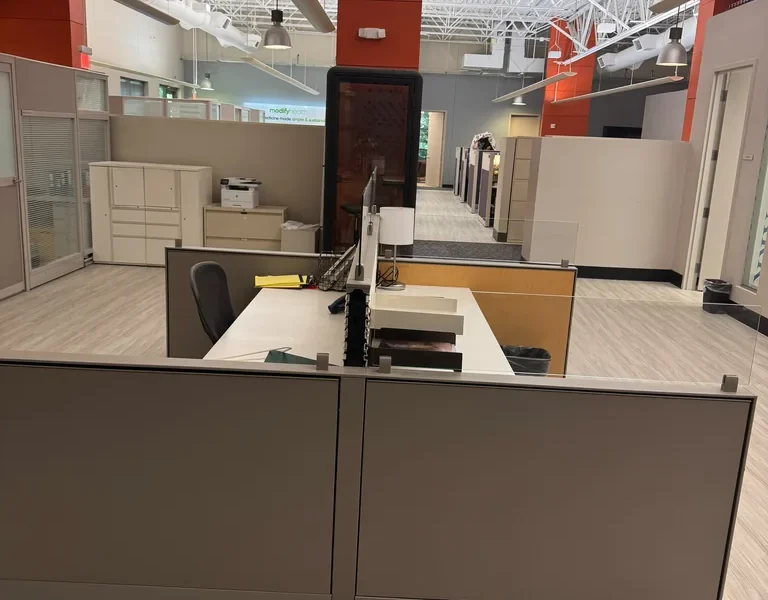
The shift from traditional offices to collaborative workspaces reflects the changing dynamics of work culture. As companies recognize the importance of creativity and innovation, they are rethinking their office designs to accommodate collaborative efforts. This transformation is not just about aesthetics; it’s about creating an environment that nurtures creativity and allows teams to thrive.
Understanding Collaborative Offices
Collaborative offices are designed to encourage interaction and teamwork among employees. Unlike traditional workspaces, which often feature isolated desks and closed-off meeting rooms, collaborative offices utilize open layouts, communal spaces, and flexible furniture arrangements. These environments are equipped with modern technology that supports communication and collaboration, making it easy for teams to brainstorm, share ideas, and work together seamlessly.
Key Benefits of Collaborative Offices
1. Enhanced Creativity
One of the primary benefits of collaborative offices is the boost in creativity. When team members work in close proximity, they can easily share ideas and build on each other’s concepts. This spontaneous exchange of thoughts often leads to innovative solutions and fresh perspectives. According to a study conducted by the University of Michigan, individuals working in collaborative spaces reported higher levels of creativity compared to those in traditional office settings.
2. Improved Communication
Effective communication is essential for any creative team. Collaborative offices foster open lines of communication by eliminating physical barriers. Team members can engage in face-to-face discussions, share feedback, and resolve issues quickly. This transparent communication culture not only enhances teamwork but also strengthens relationships among employees, contributing to a more cohesive team dynamic.
3. Increased Productivity
While it may seem counterintuitive, collaborative environments can lead to increased productivity. When employees feel comfortable sharing ideas and collaborating with their peers, they are more likely to stay engaged and motivated. A study by the Harvard Business Review found that employees working in collaborative settings are 15% more productive than those in traditional offices. This increased productivity ultimately translates into better outcomes for the organization.
4. Flexibility and Adaptability
Collaborative offices are designed with flexibility in mind. They often feature movable furniture and adaptable layouts that can be reconfigured to suit the needs of different teams or projects. This flexibility allows creative teams to customize their work environment, which can lead to improved morale and job satisfaction. In a fast-paced industry, being able to adapt the workspace quickly can be a significant advantage.
5. Opportunities for Networking
Collaborative offices often host various networking events, workshops, and social gatherings. These opportunities allow creative teams to connect with other professionals, share experiences, and learn from one another. Networking can lead to new partnerships, collaborations, and even potential clients. In a vibrant community where ideas flow freely, the potential for growth and innovation is immense.
6. Access to Resources and Technology
Modern collaborative offices are equipped with enterprise-grade technology and resources that support creative work. High-speed internet, advanced audio-visual equipment, and professional podcast and video production studios are just a few examples of the amenities that can enhance the creative process. Access to these tools empowers teams to produce high-quality content and execute their ideas effectively.
7. Fostering a Sense of Community
Working in a collaborative office environment helps foster a sense of community among team members. This shared space encourages individuals to engage with one another, share experiences, and build relationships. A strong sense of community not only enhances job satisfaction but also contributes to employee retention rates. When team members feel connected and supported, they are more likely to be loyal to the company and committed to its success.
The Role of World Park in Supporting Creative Teams
At World Park, we understand the unique needs of creative teams. Our modern private offices and coworking environments are designed to facilitate collaboration and innovation. With flexible membership plans and an innovation-focused community, we provide the perfect ecosystem for startups and established businesses alike. Our professional podcast and video production studios, along with business networking events, offer the resources and support necessary for content creation and media production. By choosing World Park, creative teams can benefit from a workspace that enhances their productivity and fosters their creativity.
Conclusion
The advantages of collaborative offices for creative teams are clear. By providing an environment that promotes interaction, communication, and flexibility, these modern workspaces empower teams to unleash their creativity and drive innovation. As the demand for innovative solutions continues to grow, organizations must adapt their workspaces accordingly. Collaborative offices are not just a trend; they are a fundamental shift in how we view work and creativity in the modern age.
FAQs
1. What is a collaborative office?
A collaborative office is a workspace designed to encourage interaction and teamwork among employees. It typically features open layouts, communal spaces, and flexible furniture arrangements.
2. How do collaborative offices enhance creativity?
Collaborative offices enhance creativity by facilitating spontaneous exchanges of ideas and encouraging team members to build on each other’s concepts.
3. Are collaborative offices more productive?
Yes, studies show that employees in collaborative settings are often more productive due to increased engagement and motivation.
4. What resources are available in collaborative offices?
Collaborative offices typically offer access to enterprise-grade technology, high-speed internet, meeting rooms, and production studios to support creative work.
5. How do collaborative offices foster networking opportunities?
Collaborative offices often host events, workshops, and social gatherings that encourage professionals to connect and share experiences, leading to potential partnerships.
6. Is flexibility important in a collaborative office?
Yes, flexibility is crucial as it allows teams to customize their workspace according to their specific needs and adapt to changing project requirements.
7. Can remote teams benefit from collaborative offices?
Yes, remote teams can benefit from collaborative offices by utilizing shared spaces for meetings, brainstorming sessions, and networking events.
8. How can a business find a suitable collaborative office?
Businesses can find a suitable collaborative office by researching coworking spaces, comparing amenities, and considering the community and networking opportunities available.