
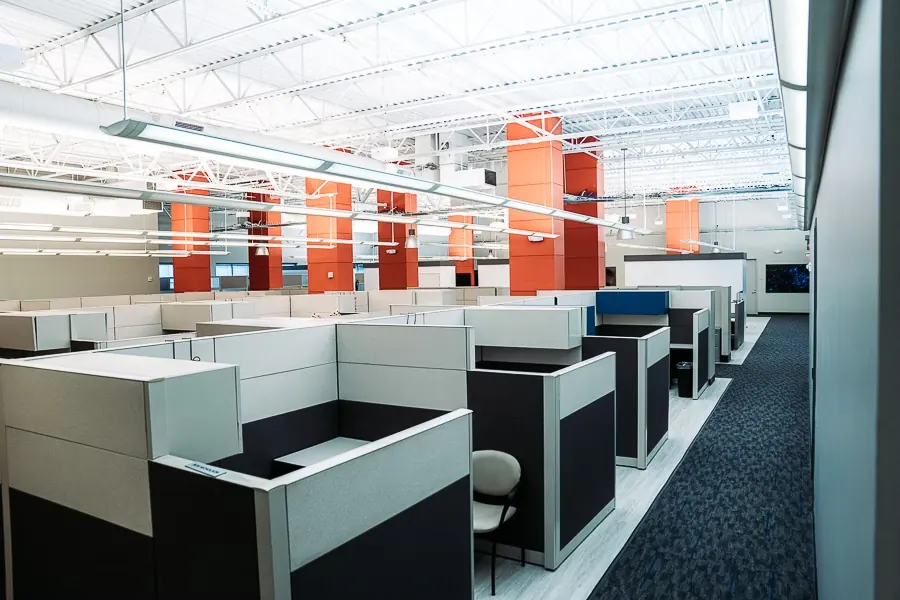
The Real Difference Between Executive Suites and Coworking in 2026
As we move further into 2026, the landscape of workspaces continues to evolve rapidly. With the rise of remote work and the gig economy, professionals are increasingly seeking flexible and innovative work environments. Two popular options that have emerged are executive suites and coworking spaces. While both offer unique benefits, they cater to different needs and preferences. Understanding the distinctions between these two workspace solutions is crucial for entrepreneurs, freelancers, and businesses looking to thrive in today’s dynamic market.
What Are Executive Suites?

Executive suites are fully furnished office spaces that are typically leased out to businesses on a short-term or long-term basis. These suites are designed to provide a professional environment, complete with essential amenities and services. Here are some key features of executive suites:
1. Private Offices
Executive suites offer private offices that provide a quiet and focused workspace. These offices are ideal for businesses that require confidentiality and a professional image. Clients can enjoy the luxury of having their own space without the long-term commitment and overhead costs associated with traditional office leases.
2. Comprehensive Services
In addition to private offices, executive suites often come with a range of services, including receptionists, administrative support, and meeting rooms. This allows businesses to operate efficiently without the hassle of managing day-to-day operations. Many executive suites also provide access to high-speed internet, phone systems, and office equipment.
3. Flexibility
One of the main advantages of executive suites is their flexibility. Businesses can choose from various lease terms, whether they need the space for a few months or several years. This flexibility is particularly appealing to startups and small businesses that may not want to commit to a long-term lease.
What Are Coworking Spaces?
Coworking spaces are shared work environments that bring together individuals from various industries under one roof. These spaces are designed to foster collaboration, creativity, and networking. Here are some defining characteristics of coworking spaces:
1. Open Layout
Coworking spaces typically feature an open layout, allowing individuals to work side by side. This setup encourages interaction and collaboration among professionals from different backgrounds. For freelancers and remote workers, the communal atmosphere can lead to valuable networking opportunities and the exchange of ideas.
2. Membership-Based
Unlike executive suites, coworking spaces operate on a membership basis. Members can choose from various plans that offer access to shared workspaces, meeting rooms, and amenities. This model allows for greater flexibility, as individuals can opt for daily, weekly, or monthly memberships based on their needs.
3. Community Focus
Coworking spaces often prioritize building a community among their members. They host events, workshops, and networking opportunities to foster collaboration and support among professionals. This sense of community can be especially beneficial for freelancers and entrepreneurs looking to make connections in their industry.
Key Differences Between Executive Suites and Coworking Spaces
While executive suites and coworking spaces may share some similarities, they cater to different needs and preferences. Here are the primary distinctions:
1. Privacy vs. Collaboration
Executive suites are designed for privacy and professionalism, providing private offices that cater to businesses requiring confidentiality. In contrast, coworking spaces promote collaboration, with open layouts that encourage interaction among members. The choice between the two often depends on whether a professional values privacy or seeks community engagement.
2. Cost Structure
Executive suites typically come with higher costs due to the private office setup and additional services provided. Businesses may find that they pay a premium for the amenities included. On the other hand, coworking spaces offer more affordable options, with membership plans that can suit a wide range of budgets.
3. Flexibility in Use
Coworking spaces offer more flexibility in terms of usage, allowing members to choose how often they want to work in the space. This is ideal for freelancers or individuals with fluctuating schedules. Executive suites, while flexible in lease terms, often require a more significant commitment due to the nature of private office rentals.
4. Amenities and Services
Executive suites typically offer comprehensive services, including administrative support, meeting rooms, and dedicated receptionists. Coworking spaces, while they may provide basic amenities like internet and coffee, often rely on a more DIY approach, with members taking responsibility for their workspace setup.
The Future of Workspaces: Trends to Watch
As we progress through 2026, several trends are shaping the future of workspaces:
1. Hybrid Work Models
The rise of hybrid work models, where employees split their time between home and the office, will continue to influence the demand for both executive suites and coworking spaces. Businesses will seek flexible solutions that accommodate employees’ diverse work preferences.
2. Technology Integration
As technology continues to advance, workspaces will need to adapt. Executive suites and coworking spaces will increasingly incorporate smart technology, offering seamless connectivity and enhanced user experiences.
3. Focus on Well-being
The emphasis on mental health and well-being in the workplace will drive the design of workspaces. Both executive suites and coworking spaces will prioritize creating environments that promote well-being, collaboration, and creativity.
Choosing the Right Workspace for Your Needs
Deciding between an executive suite and a coworking space ultimately depends on your specific requirements. Here are some questions to consider when making your choice:
- What is your budget for office space?
- Do you require a private office, or are you comfortable working in a shared environment?
- How important is networking and community for your business?
- What services and amenities do you need to support your operations?
- How long do you plan to stay in the workspace?
By answering these questions, you can better assess which option aligns with your business goals and work style.
Conclusion
In 2026, the differences between executive suites and coworking spaces are more pronounced than ever. While executive suites offer privacy, professionalism, and comprehensive services, coworking spaces provide flexibility, community, and collaboration. Understanding these distinctions can help you make an informed decision about which workspace solution is right for you. Whether you choose an executive suite or a coworking space, the key is to find an environment that supports your business’s growth and aligns with your working preferences.
FAQs
1. What is the typical cost difference between executive suites and coworking spaces?
Executive suites generally have higher costs due to private offices and additional services, while coworking spaces offer more affordable membership options.
2. Can I customize my office in an executive suite?
Many executive suites allow for some customization, although options may vary depending on the provider.
3. Are coworking spaces suitable for remote teams?
Yes, coworking spaces can accommodate remote teams, providing flexible membership plans and communal work environments.
4. Do executive suites offer meeting rooms?
Yes, executive suites typically include access to meeting rooms and other professional amenities.
5. How do I decide which workspace is best for my startup?
Consider your budget, the need for privacy, the importance of networking, and the services required to support your business operations.
6. Are there any long-term contracts associated with coworking spaces?
Coworking spaces usually operate on a membership basis with no long-term contracts, allowing for flexibility.
7. What amenities can I expect from a coworking space?
Coworking spaces typically offer internet access, kitchen facilities, meeting rooms, and sometimes events for networking.
8. How can I find the right executive suite or coworking space for my needs?
Research local options, visit potential spaces, and assess their amenities, community, and overall environment to find the best fit.