
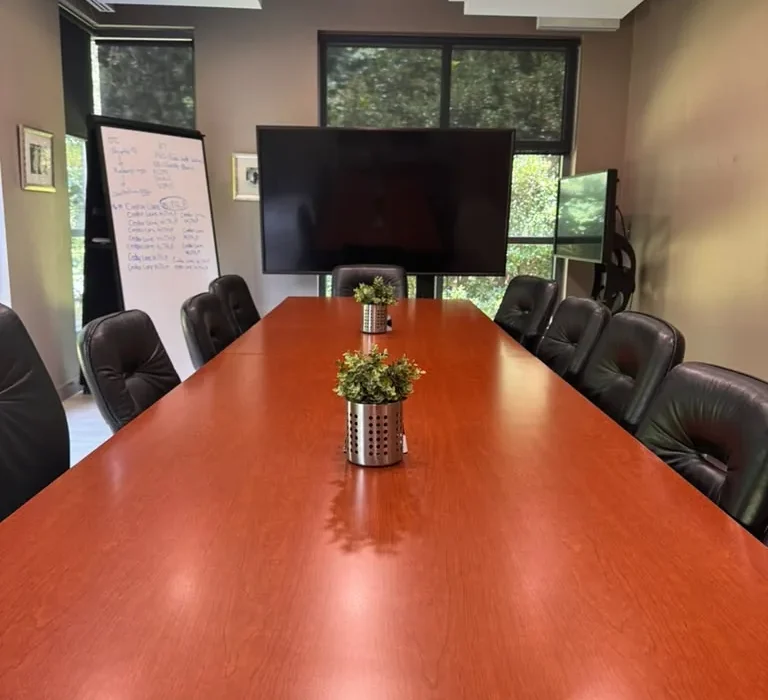
Is Your Office Making You Less Productive? Here’s the Science
In today’s fast-paced business world, productivity is key to success. Yet, many professionals find themselves struggling to stay focused and efficient in their work environments. It begs the question: Is your office making you less productive? In this comprehensive article, we will delve into the science behind office design and its impact on employee productivity, explore common distractions, and offer solutions to create a more conducive workspace.
The Connection Between Office Environment and Productivity
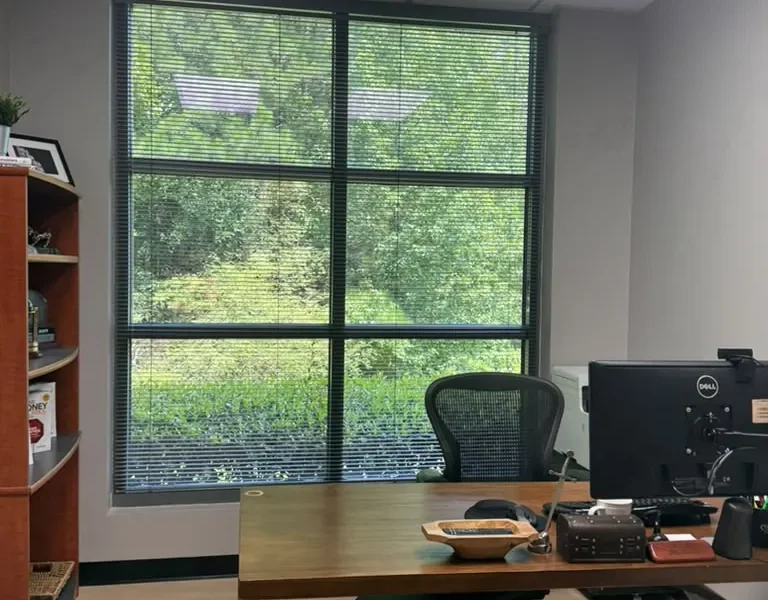
Research has consistently shown that the design and layout of an office can significantly influence employee performance. Factors such as lighting, noise levels, furniture layout, and even color schemes can either enhance or hinder productivity.
1. The Impact of Lighting
Natural light is one of the most crucial elements in an office setting. Studies indicate that employees working in environments with ample natural light report higher levels of satisfaction and productivity. In contrast, artificial lighting can lead to eye strain, fatigue, and decreased focus.
2. Noise Levels and Distractions
Open office plans have become increasingly popular, but they often introduce a variety of distractions that can impede concentration. Research from the University of Sydney found that employees in open-plan offices experience higher stress levels and lower productivity due to noise and interruptions. Providing designated quiet areas can help mitigate this issue.
3. Furniture and Ergonomics
The type of furniture in your office can also affect productivity. Ergonomic chairs and desks that promote good posture can reduce discomfort and allow for longer periods of focused work. Furthermore, the layout of furniture can encourage or inhibit collaboration among team members.
4. Color Psychology
Color can influence mood and behavior in the workplace. For instance, blue hues are known to promote calm and focus, while brighter colors like yellow can stimulate creativity. Choosing the right color palette can help create an environment that aligns with your business goals.
Common Office Layout Mistakes
To create a productive office environment, it’s essential to avoid common layout mistakes that can hinder efficiency.
1. Poor Space Planning
Not considering the flow of movement within the office can lead to congestion and frustration. A well-thought-out layout allows for easy access to shared resources and minimizes distractions.
2. Lack of Personalization
Employees who feel a sense of ownership over their workspace are often more engaged and productive. Providing opportunities for personalization can enhance job satisfaction.
3. Ignoring Break Spaces
Break areas are vital for employee well-being. Neglecting to provide a comfortable space for employees to recharge can lead to burnout and decreased productivity.
Solutions for Boosting Productivity in Your Office
Now that we’ve explored the factors that can impact productivity, let’s look at solutions to enhance your workspace.
1. Incorporate Natural Elements
Bringing the outdoors inside can have a calming effect. Consider adding plants or using natural materials in your office design.
2. Designate Quiet Zones
Creating specific areas for quiet work can help employees concentrate better. These zones should be equipped with comfortable seating and minimal distractions.
3. Flexible Workspaces
Flexibility is essential in today’s work culture. Offering a variety of workspace options—from private offices to collaborative areas—can meet the diverse needs of your team.
4. Invest in Technology
Enterprise-grade technology infrastructure is critical for enabling productivity. Ensure that your office is equipped with reliable internet, advanced software, and up-to-date hardware.
5. Foster a Collaborative Community
Encouraging collaboration through networking events and team-building activities can create a positive work environment that enhances productivity.
Conclusion
Creating an office that promotes productivity is not just about aesthetics; it’s about understanding how the environment affects employee performance. By addressing issues related to lighting, noise, ergonomics, and layout, businesses can foster a more productive workspace. At World Park, we offer modern private offices and coworking environments designed with productivity in mind. Our flexible membership plans and innovative workspace ecosystem are tailored to meet the needs of startups and established enterprises alike.
FAQs
1. How does natural light affect productivity?
Natural light has been shown to boost mood and energy levels, leading to increased productivity among employees.
2. What type of office layout is most productive?
A hybrid layout that combines open spaces with private areas for focused work tends to enhance productivity.
3. How can I minimize noise distractions in the office?
Consider using sound-absorbing materials and creating designated quiet zones to help reduce noise levels.
4. Are ergonomic chairs worth the investment?
Yes, ergonomic chairs can significantly reduce discomfort and improve focus, making them a worthwhile investment for productivity.
5. How can color impact workplace productivity?
Colors can influence mood and behavior; for example, blue can promote calmness and focus, while yellow can stimulate creativity.
6. What are some effective ways to encourage collaboration?
Hosting regular networking events and team-building activities can foster a collaborative atmosphere in the workplace.
7. Why is having break spaces important?
Break spaces allow employees to recharge, which can prevent burnout and enhance overall productivity.
8. How can technology improve office productivity?
Modern technology can streamline communication and collaboration, making it easier for teams to work efficiently.
More on this topic