Stop Renting Dead Space: Why Flexible Offices Win in 2026
Introduction
As we approach 2026, the landscape of workspaces is evolving rapidly. The traditional model of renting office space is becoming increasingly outdated, as businesses seek more flexible and efficient solutions. In this article, we will explore the reasons why flexible offices are set to dominate the market, examining their benefits, the changing dynamics of work, and the future of office spaces.
The Shift from Traditional to Flexible Workspaces
Understanding the Concept of Flexible Offices
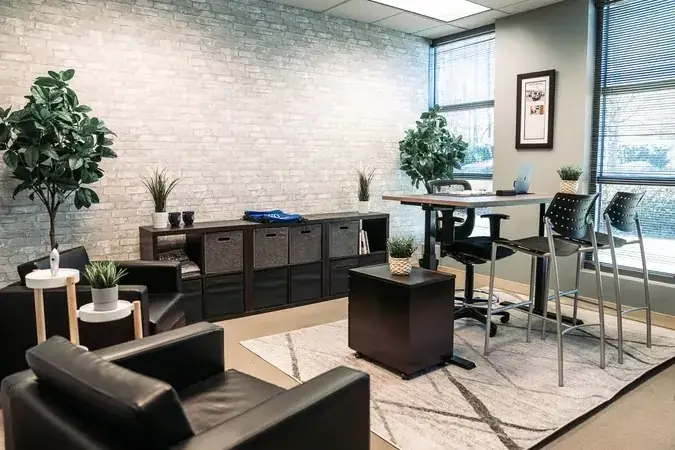
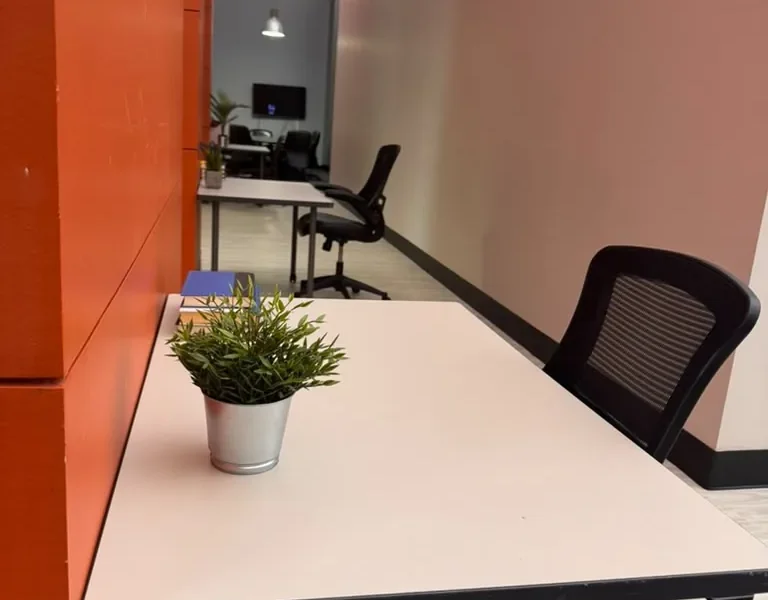
Flexible offices are designed to adapt to the changing needs of businesses and their employees. These spaces can include coworking areas, private offices, meeting rooms, and even creative studios. Unlike traditional offices that require long-term leases, flexible offices allow companies to scale up or down based on their requirements.
The Rise of Remote Work
The COVID-19 pandemic accelerated a trend that was already underway: remote work. As companies realized that their employees could work effectively from home, the need for expansive office spaces diminished. In 2026, we will likely see a continued preference for remote and hybrid work models, making flexible office solutions more attractive.
Benefits of Flexible Offices
Cost Efficiency
One of the most significant advantages of flexible offices is cost efficiency. Businesses can avoid the financial burden of long-term leases and associated overhead costs. Instead, they can choose flexible membership plans that allow them to pay only for the space they need when they need it.
Enhanced Collaboration and Networking Opportunities
Flexible office environments foster collaboration and networking. By working in a shared space with other startups and entrepreneurs, employees can exchange ideas, form partnerships, and grow their professional networks. This collaborative atmosphere is often lacking in traditional offices where employees may be isolated from other teams.
Access to Modern Amenities
Flexible office spaces often come equipped with enterprise-grade technology infrastructure, meeting rooms, and professional podcast and video production studios. This access to modern amenities enables businesses to operate efficiently without the need for significant upfront investments in equipment and facilities.
Support for Content Creation and Media Production
As businesses increasingly focus on digital marketing and content creation, having access to professional studios becomes a game-changer. Flexible offices like those at World Park provide support for media production, allowing companies to create high-quality content that resonates with their audiences.
The Future of Workspaces
Innovation-Focused Collaborative Community
In 2026, the most successful businesses will thrive in innovation-focused collaborative communities. Flexible offices are designed to promote creativity and out-of-the-box thinking. By surrounding employees with other forward-thinking individuals, companies can inspire new ideas and approaches.
Customized Workspace Solutions
Flexible office providers are increasingly offering customized workspace solutions tailored to the specific needs of businesses. This trend will continue, allowing companies to create environments that reflect their brand identity while also enhancing employee productivity and satisfaction.
Sustainability and Green Practices
As sustainability becomes a critical concern for businesses and consumers alike, flexible offices are also adapting. Many providers are focusing on eco-friendly practices, offering green workspaces that reduce the carbon footprint and align with modern corporate responsibility standards.
Choosing the Right Flexible Office Provider
Assessing Your Business Needs
Before selecting a flexible office provider, businesses should assess their needs. Considerations may include the size of the space required, desired amenities, and the type of community that best aligns with your company’s culture.
Evaluating Location and Accessibility
Location is crucial when choosing a flexible office. Being situated in a convenient area that is easily accessible for employees and clients can greatly impact productivity and business operations. Look for spaces that offer proximity to public transport and key business districts.
Checking for Additional Support Services
Some flexible office providers offer additional support services, such as business networking events, mentorship programs, and workshops. These can add considerable value to your membership and enhance your business’s growth potential.
Conclusion
As we look towards 2026, the advantages of flexible offices are clear. They provide businesses with the agility, cost-effectiveness, and collaborative environments necessary to thrive in an ever-changing landscape. By embracing this shift away from traditional office rentals, companies can position themselves for success in the future.
FAQs
1. What are flexible offices?
Flexible offices are adaptable workspaces that offer various configurations such as coworking spaces, private offices, and meeting rooms, allowing businesses to scale their space according to their needs.
2. Why are flexible offices becoming popular?
They are becoming popular due to the rise of remote work, cost efficiency, and the need for collaboration among businesses.
3. How can flexible offices save money?
Flexible offices save money by eliminating the need for long-term leases and allowing businesses to pay for only the space they use.
4. What amenities do flexible offices typically offer?
They often provide modern amenities such as high-speed internet, meeting rooms, professional studios, and communal areas.
5. Are flexible offices suitable for startups?
Yes, flexible offices are particularly suitable for startups as they offer a supportive ecosystem and networking opportunities without the burden of fixed costs.
6. How do flexible offices promote collaboration?
By housing multiple businesses in a shared environment, flexible offices encourage networking, idea exchange, and collaboration among workers.
7. Can businesses customize their flexible office space?
Many flexible office providers allow customization to fit the specific needs and branding of a business.
8. What should I look for in a flexible office provider?
Consider factors like location, amenities, community culture, and additional support services when selecting a provider.
9. How do flexible offices support media production?
Flexible offices often include professional podcast and video production studios, enabling businesses to create high-quality content.
10. What is the future of flexible offices?
The future of flexible offices looks bright, with a focus on sustainability, customization, and innovation-centric communities.
