

Why ‘Office Optional’ Is the Most Dangerous Strategy for Alpharetta Startups
In recent years, the concept of ‘office optional’ has gained significant traction among startups and established businesses alike. As technology continues to evolve and remote work becomes more commonplace, many companies are embracing the flexibility of allowing employees to work from anywhere. However, for startups in Alpharetta, this strategy can pose serious challenges that may hinder growth and longevity. In this article, we will explore the potential pitfalls of an ‘office optional’ approach and why having a dedicated office space is essential for startups in this vibrant community.
The Rise of Remote Work
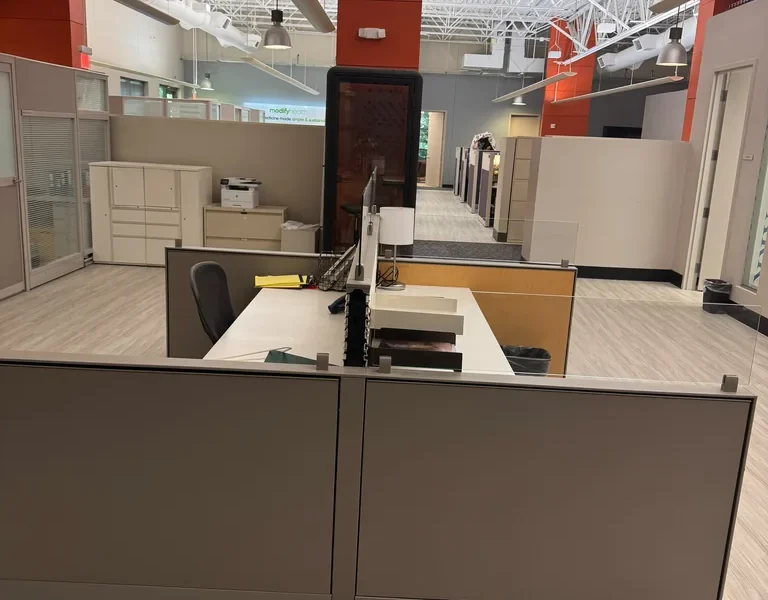
The COVID-19 pandemic accelerated the shift to remote work, leading many businesses to adopt ‘office optional’ policies. Employees appreciated the flexibility of working from home, and companies enjoyed reduced overhead costs. However, as the dust settles, it’s clear that this model may not be as beneficial as it seems, especially for startups.
Understanding ‘Office Optional’
The term ‘office optional’ refers to a work environment where employees have the choice to work from the office or remotely. While this can foster a sense of autonomy and work-life balance, it can also lead to a fragmented company culture and communication challenges.
The Importance of Collaboration
Startups thrive on collaboration. The ability to brainstorm ideas, tackle challenges together, and share spontaneous moments of creativity is essential for innovation. An ‘office optional’ strategy can dilute this collaborative spirit.
Impact on Team Dynamics
When team members are scattered across various locations, building strong relationships becomes challenging. Face-to-face interactions foster trust and camaraderie, which are vital for a startup’s success. In an ‘office optional’ environment, it can be difficult to maintain the same level of engagement and connection, leading to potential misunderstandings and decreased morale.
Challenges in Communication
Effective communication is crucial for startups. Miscommunications can lead to costly mistakes, missed deadlines, and overall confusion. When team members work remotely, they may rely on digital communication tools that can be less effective than in-person conversations. This can lead to important information being lost in translation.
Brand Identity and Company Culture
Your startup’s brand identity and culture are essential to attracting talent and retaining employees. An ‘office optional’ strategy can undermine these elements, making it difficult to create a cohesive workplace culture.
Establishing Company Values
Company culture is built on shared values and experiences. When employees work remotely, they miss out on opportunities to engage with the company’s mission and values. This disconnect can result in a lack of alignment and commitment among team members.
Attracting Top Talent
In a competitive job market, attracting top talent is crucial for startup success. Many employees seek out companies with strong cultures and collaborative environments. By adopting an ‘office optional’ model, startups may inadvertently limit their appeal to potential hires who value workplace engagement.
Operational Challenges
While an ‘office optional’ strategy may seem cost-effective, it can lead to unforeseen operational challenges that can jeopardize a startup’s success.
Technology and Security Issues
Startups often operate with limited resources, making it essential to ensure that their technology infrastructure is robust and secure. Remote work can expose businesses to security vulnerabilities, especially if employees use personal devices or unsecured networks. A dedicated office space provides a controlled environment where startups can implement necessary security protocols.
Logistical Complexities
Managing a remote workforce can create logistical headaches. Coordinating meetings, scheduling projects, and ensuring everyone is on the same page can become cumbersome without a centralized location. Startups may find it challenging to maintain productivity and accountability when team members are working independently.
Networking Opportunities
One of the most significant advantages of having a physical office is the networking opportunities it presents. Startups in Alpharetta can benefit from being part of a vibrant ecosystem that fosters collaboration and innovation.
Building Relationships with Local Businesses
Having a dedicated office space allows startups to connect with other businesses and entrepreneurs in the area. These relationships can lead to partnerships, collaborations, and even potential funding opportunities.
Access to Events and Resources
Many coworking spaces and office environments host networking events, workshops, and conferences. By having a physical presence, startups can take advantage of these resources, gaining valuable insights and connections that can propel their growth.
Conclusion: Embracing the Future of Work
While the ‘office optional’ model may work for established companies with a solid foundation, it can be a dangerous strategy for startups in Alpharetta. The importance of collaboration, brand identity, operational efficiency, and networking cannot be overstated. By investing in a dedicated office space, startups can create an environment that fosters innovation, growth, and success.
Frequently Asked Questions
1. What is an ‘office optional’ work model?
An ‘office optional’ work model allows employees to choose whether to work from the office or remotely.
2. Why is collaboration important for startups?
Collaboration drives innovation and helps teams solve problems effectively, which is crucial for the success of startups.
3. How can an ‘office optional’ model affect company culture?
It can dilute the shared values and experiences that build a strong company culture, leading to a disconnect among employees.
4. What are the security risks associated with remote work?
Remote work can expose businesses to security vulnerabilities, especially if employees use personal devices or unsecured networks.
5. How can startups benefit from a physical office space?
A physical office provides opportunities for collaboration, networking, and a more controlled environment for technology and security.
6. What role does networking play in startup success?
Networking helps startups form valuable connections, attract talent, and access resources that can propel growth.
7. Can remote work lead to isolation among employees?
Yes, remote work can create feelings of isolation, making it more challenging for employees to build relationships and stay engaged.
8. How can startups maintain productivity in an office environment?
Having a dedicated office space allows for better coordination, accountability, and communication among team members.
More on this topic