
From Concept to Episode One: Launching Your Podcast in Alpharetta
Podcasting has exploded in popularity over the last decade, transforming how we consume content. With the rise of accessible technology, anyone can become a content creator. If you’re in Alpharetta and looking to launch your podcast, this comprehensive guide will walk you through the entire process from concept to your very first episode.
Understanding the Podcasting Landscape
Before diving into the specifics of launching your podcast, it’s essential to understand the podcasting landscape. Over 50% of Americans have listened to a podcast, and the numbers continue to grow. This means that your podcast has the potential to reach a vast audience.
Why Podcasting? Reasons to Start
There are numerous reasons to start your podcast. Whether you’re looking to share your expertise, tell compelling stories, or build your brand, podcasting offers unique advantages:
- Accessibility: Podcasting is accessible to anyone with a microphone and recording device.
- Connection: Podcasts create a personal connection with audiences, fostering loyalty.
- Monetization: Successful podcasts can generate income through sponsorships and listener donations.
Defining Your Podcast Concept
Every successful podcast starts with a solid concept. Your idea will guide your content, format, and audience. Here’s how to define yours:
Identify Your Niche
Focus on a specific niche where your passion and expertise intersect. Research potential topics and analyze existing podcasts to find gaps in the market.
Target Audience
Understand who your ideal listener is. Create listener personas that outline demographics, interests, and behaviors to tailor your content effectively.
Format and Structure
Decide on your podcast format. Common formats include:
- Interview: Host interviews with industry experts.
- Solo: Share your thoughts and insights in a monologue.
- Panel: Involve multiple guests in discussions.
- Storytelling: Craft narratives around specific topics or themes.
Creating a Content Plan
With your concept in place, it’s time to develop a content plan. This includes episode topics, release schedule, and marketing strategies.
Episode Topics
Brainstorm a list of potential episode topics. Aim for at least 10-15 topics to start, ensuring a mix of evergreen content and timely discussions.
Release Schedule
Establish a consistent release schedule. Whether weekly, bi-weekly, or monthly, consistency will help you build an audience.
Marketing Strategies
Outline how you’ll promote your podcast. Consider social media, email marketing, and collaborations with other podcasters or influencers.
Setting Up Your Podcast Studio
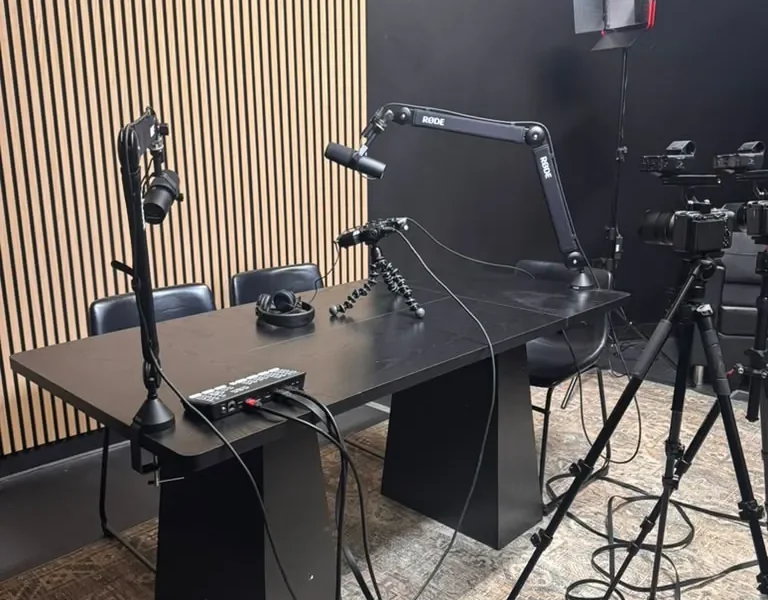
Next, you’ll need to set up your recording space. While you can start with basic equipment, investing in quality tools will enhance your podcast’s sound and production quality.
Essential Equipment
Here’s a rundown of the necessary equipment:
- Microphone: Invest in a quality microphone for clear audio.
- Headphones: Use closed-back headphones to monitor your recordings.
- Audio Interface: An audio interface connects your microphone to your computer.
- Recording Software: Choose user-friendly software for editing and producing your episodes.
Professional Studios in Alpharetta
If you prefer a more professional setup, consider renting a podcast studio. World Park in Alpharetta offers state-of-the-art podcast and video production studios that cater to all your recording needs.
Recording Your First Episode
Now that you have your equipment and studio set up, it’s time to record your first episode. Follow these steps for a smooth recording session:
Preparation
Prepare a script or outline to guide your conversation. This will help keep your episode focused and engaging.
Recording Tips
Here are some tips for a successful recording:
- Speak clearly and at a moderate pace.
- Minimize background noise as much as possible.
- Consider using a pop filter to reduce plosive sounds.
Editing Your Podcast
Once you’ve recorded your episode, it’s time to edit the audio. Editing improves sound quality and removes unnecessary content.
Editing Software
Use software like Audacity or GarageBand for basic editing tasks. More advanced users may prefer Adobe Audition or Logic Pro.
Editing Tips
Focus on clarity and flow. Remove filler words and long pauses to maintain listener engagement.
Publishing Your Podcast
After editing, it’s time to publish your podcast. Choose a podcast hosting platform to store and distribute your episodes.
Choosing a Hosting Platform
Popular hosting platforms include Libsyn, Podbean, and Anchor. Consider your budget, storage needs, and ease of use when making your choice.
Creating Show Notes
Write show notes for each episode, including a summary, key points, and links to resources mentioned. This helps improve SEO and provides additional value for your audience.
Promoting Your Podcast
Promotion is key to growing your audience. Implement various strategies to increase visibility and engagement.
Social Media Marketing
Utilize social media platforms to share episode highlights, quotes, and behind-the-scenes content. Engage with your audience by responding to comments and messages.
Networking and Collaboration
Connect with other podcasters and influencers in your niche. Guest appearances can introduce your podcast to new audiences.
Email Marketing
Create an email list to notify subscribers about new episodes, share exclusive content, and foster community engagement.
Analyzing Your Success
After launching your podcast, measure its success through analytics. Most hosting platforms provide insights into downloads, listener demographics, and episode performance.
Key Metrics to Monitor
- Downloads: Track the number of downloads per episode.
- Listener Retention: Monitor how long listeners stay engaged.
- Demographics: Understand your audience to tailor content.
FAQ
What equipment do I need to start a podcast?
You need a microphone, headphones, an audio interface, and recording software.
How long should my podcast episodes be?
Episode length varies; aim for 20-60 minutes, depending on your audience and content.
How often should I release new episodes?
Consistency is key; choose a schedule that works for you, whether weekly or bi-weekly.
Do I need to have a script for my podcast?
A script is helpful but not necessary. An outline can guide your conversation.
How can I monetize my podcast?
You can monetize through sponsorships, listener donations, merchandise, and affiliate marketing.
What are show notes, and why are they important?
Show notes summarize episodes and provide links to resources. They improve SEO and enhance listener experience.
Can I edit my podcast after recording?
Yes, editing is a crucial step to enhance audio quality and improve the flow of your content.
What are the benefits of using a podcast studio?
A podcast studio provides professional equipment and soundproofing, improving your audio quality significantly.
How can I grow my podcast audience?
Utilize social media, network with other podcasters, and engage with your audience to grow your listener base.
Is it too late to start a podcast?
No, the podcasting market continues to grow, and there’s always room for unique voices and perspectives.