
How AI-Powered Workspace Management Is Transforming Coworking in Georgia
The landscape of coworking spaces is evolving rapidly, particularly in Georgia, where a surge in startups and remote working has created a demand for more efficient and flexible work environments. Artificial Intelligence (AI) is at the forefront of this transformation, offering innovative solutions that enhance productivity and streamline operations. In this article, we will explore how AI-powered workspace management is reshaping coworking spaces in Georgia, the benefits it brings, and the future of workspaces in the state.
The Rise of Coworking Spaces in Georgia
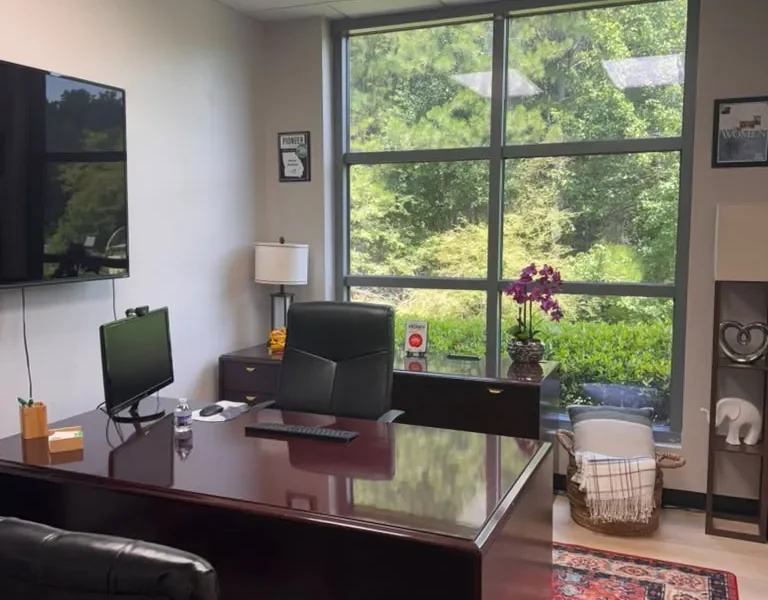
Georgia has become a hub for entrepreneurship and innovation, with cities like Atlanta leading the charge. The rise of coworking spaces has been significant, providing an affordable and flexible alternative to traditional office settings. These spaces cater to freelancers, startups, and established businesses looking for collaborative environments that foster creativity and networking.
The Role of Technology in Coworking
As the demand for coworking spaces grows, the integration of technology becomes paramount. From booking systems to communication platforms, technology enhances the coworking experience. However, AI is taking this a step further by offering more sophisticated management tools that improve efficiency and user experience.
Understanding AI-Powered Workspace Management
AI-powered workspace management refers to the use of artificial intelligence technologies to optimize the operation of coworking spaces. This includes everything from resource allocation and space utilization to member engagement and community building.
Key Features of AI-Powered Management
- Data-Driven Insights: AI systems analyze usage patterns and member preferences to provide actionable insights, helping coworking managers make informed decisions.
- Smart Booking Systems: AI can power intelligent booking platforms that predict demand and optimize space allocation, ensuring that resources are used efficiently.
- Personalized User Experience: AI tools can tailor services and recommendations based on individual member behaviors, enhancing satisfaction and retention.
- Operational Efficiency: Automating routine tasks minimizes administrative burdens, allowing staff to focus on community engagement and support.
Benefits of AI in Coworking Spaces
The integration of AI into coworking environments provides numerous benefits that enhance the overall experience for members and operators.
Enhanced Member Experience
AI-driven systems streamline the onboarding process, making it easier for new members to acclimate to the space. Personalized recommendations for networking events, workshops, and resources can help members maximize their time and opportunities.
Improved Space Utilization
Using data analytics, coworking managers can identify peak usage times, allowing them to adjust space configurations or offer promotions during off-peak hours. This leads to better resource management and increased revenue.
Cost Savings
AI can help reduce operational costs by automating various tasks, from managing bookings to monitoring usage and maintenance needs. This allows coworking spaces to operate more efficiently and pass savings on to their members.
Community Building
AI tools can facilitate connections among members by analyzing profiles and suggesting potential collaborations. This encourages networking and fosters a sense of community within the coworking space.
Case Studies: AI in Action
Several coworking spaces in Georgia have already begun to implement AI-powered solutions, showcasing the potential of this technology.
Example 1: World Park
World Park, located in the heart of Georgia, has embraced AI to enhance its coworking environment. With modern private offices and coworking areas, World Park uses AI-driven booking systems that allow members to reserve spaces seamlessly. Additionally, the platform provides insights into member preferences, helping to tailor events and resources accordingly.
Example 2: Atlanta Tech Village
As one of the largest startup hubs in the Southeast, Atlanta Tech Village utilizes AI to manage its vast network of entrepreneurs. By employing AI analytics, the facility can track utilization rates of different spaces and adjust offerings based on member feedback, creating a more dynamic work environment.
The Future of AI in Coworking Spaces
The future of coworking spaces in Georgia looks promising with the continued integration of AI technologies. As more operators adopt these solutions, we can expect to see advancements in workspace management, member engagement, and community collaboration.
Trends to Watch
- Increased Automation: More tasks will be automated, freeing up staff to focus on community-building efforts.
- Smart Workspaces: AI-powered tools will create smarter environments that adapt to the needs of members in real-time.
- Enhanced Data Privacy: As AI systems manage more personal data, ensuring privacy and security will become increasingly important.
Conclusion
AI-powered workspace management is revolutionizing the coworking industry in Georgia. By enhancing member experiences, improving space utilization, and fostering community engagement, AI technologies are setting a new standard for how coworking spaces operate. As this trend continues to evolve, the future of coworking in Georgia promises to be more innovative, efficient, and collaborative than ever before.
FAQ
1. What is AI-powered workspace management?
AI-powered workspace management involves using artificial intelligence technologies to optimize the operation and management of coworking spaces, enhancing efficiency and user experience.
2. How does AI improve member experience in coworking spaces?
AI enhances member experience by providing personalized recommendations, streamlining onboarding processes, and facilitating connections among members.
3. Can AI help reduce costs in coworking spaces?
Yes, AI can help reduce operational costs by automating routine tasks, optimizing resource allocation, and improving overall efficiency.
4. What are some examples of AI tools used in coworking spaces?
Examples of AI tools include smart booking systems, data analytics platforms, and community engagement applications that personalize member interactions.
5. How can coworking spaces utilize data analytics?
Coworking spaces can use data analytics to track usage patterns, member preferences, and operational efficiency, leading to informed decision-making.
6. What is the impact of AI on community building in coworking spaces?
AI facilitates community building by suggesting potential collaborations and networking opportunities based on member profiles and interactions.
7. Are there any risks associated with AI in workspace management?
Potential risks include data privacy concerns and the need for robust security measures to protect member information.
8. How will the coworking industry evolve with AI?
The coworking industry is expected to evolve with more automation, smarter workspaces, and enhanced data privacy measures, creating a more efficient and collaborative environment for members.
- The Impact of 5G on Coworking Space Infrastructure in North Atlanta
- Why ‘Coworking Space Alpharetta GA’ Is One of the Most Valuable Keywords in 2026
- The Biggest Coworking Trends Hitting Alpharetta in 2026
- The Best Standing Desk Setups at Coworking Spaces in Alpharetta
- AI-Powered Customer Service: Chatbots, Voice Assistants & Beyond for SMBs