

Why Cybersecurity Firms in Alpharetta Choose On-Site Data Centers
In today’s digital age, cybersecurity has become a paramount concern for businesses of all sizes. With the increasing number of cyber threats, companies are investing heavily in robust cybersecurity measures. In Alpharetta, a hub for technology and innovation, many cybersecurity firms are opting for on-site data centers to enhance their security posture. In this article, we will explore the reasons behind this trend and the benefits of having on-site data centers for cybersecurity firms.
Understanding the Importance of Cybersecurity
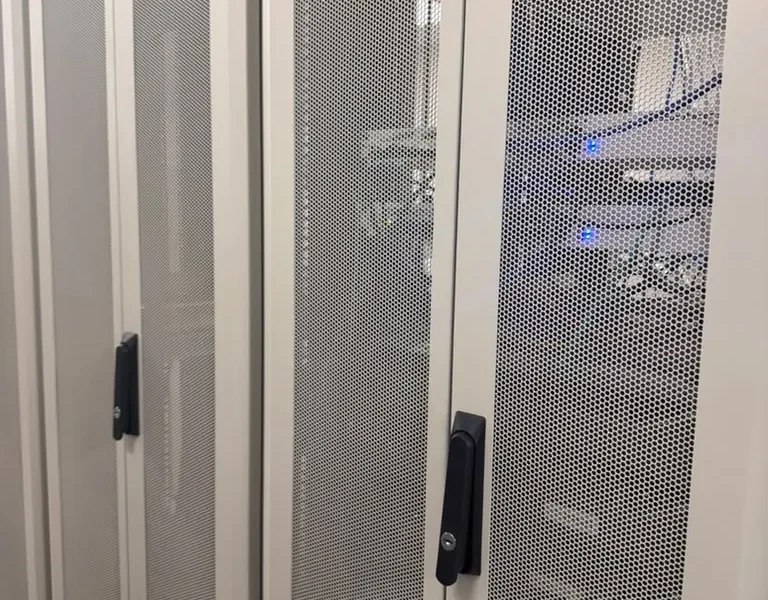
Cybersecurity involves protecting computer systems, networks, and data from theft, damage, or unauthorized access. As businesses become more reliant on technology, the risks associated with data breaches and cyberattacks also grow. Cybersecurity firms play a crucial role in safeguarding sensitive information and ensuring the integrity of digital operations.
The Rise of Cybersecurity Firms in Alpharetta
Alpharetta has emerged as a technology hotspot, attracting numerous cybersecurity firms. The city boasts a robust tech ecosystem, fueled by innovation and collaboration. The presence of tech giants and startups alike creates a conducive environment for cybersecurity businesses to thrive, making the choice of infrastructure critical.
Benefits of On-Site Data Centers
1. Enhanced Security
One of the primary reasons cybersecurity firms in Alpharetta prefer on-site data centers is enhanced security. By maintaining control over their data storage and processing environments, these firms can implement stringent security measures tailored to their specific needs. On-site data centers allow for greater oversight and management of security protocols, reducing the risk of unauthorized access.
2. Reduced Latency
On-site data centers provide lower latency compared to remote data centers. This is crucial for cybersecurity firms that require real-time data processing and analysis. With on-site infrastructure, firms can quickly respond to threats and anomalies without the delays associated with data transmission over the internet.
3. Customization and Scalability
Every cybersecurity firm has unique requirements based on its client base and operational needs. On-site data centers offer the flexibility to customize infrastructure and services according to specific demands. Additionally, as a firm grows, it can easily scale its on-site infrastructure without the limitations often associated with third-party data centers.
4. Compliance and Regulatory Requirements
Many industries are governed by strict compliance and regulatory requirements concerning data storage and management. By using on-site data centers, cybersecurity firms can ensure they meet these standards and avoid potential penalties. Being in control of their data also allows firms to implement necessary compliance measures effectively.
5. Disaster Recovery and Business Continuity
On-site data centers can be equipped with advanced disaster recovery solutions that ensure data integrity and availability. In the event of a disaster, firms can quickly recover their data and resume operations with minimal downtime. This capability is essential for maintaining client trust and business continuity.
6. Cost-Effectiveness
While the initial investment in building and maintaining an on-site data center may be significant, the long-term financial benefits can outweigh these costs. By eliminating ongoing fees associated with third-party data centers and optimizing resource usage, firms can achieve greater cost-effectiveness over time.
7. Control Over Data Management
On-site data centers provide firms with complete control over their data management practices. This autonomy allows cybersecurity firms to implement specific security measures, backup protocols, and data governance policies that align with their organizational goals.
Challenges of On-Site Data Centers
1. Initial Setup Costs
The establishment of on-site data centers can require substantial upfront investment in hardware, software, and infrastructure. Small to medium-sized cybersecurity firms may find this challenging, especially if they are just starting.
2. Maintenance and Management
On-site data centers require ongoing maintenance and management, which can strain resources. Cybersecurity firms must ensure they have the necessary expertise to manage the infrastructure effectively, which may involve hiring specialized personnel.
3. Potential for Physical Threats
On-site data centers are not immune to physical threats such as natural disasters, theft, or vandalism. Firms must invest in physical security measures to safeguard their data centers against these risks.
Conclusion
The choice to utilize on-site data centers is a strategic decision for cybersecurity firms in Alpharetta. The benefits of enhanced security, reduced latency, customization, compliance, disaster recovery, cost-effectiveness, and control over data management make on-site data centers an attractive option. However, firms must also weigh the challenges and ensure they have the necessary resources and expertise to manage their infrastructure effectively. As the demand for cybersecurity continues to grow, the infrastructure choices made by firms will play a critical role in their success.
FAQs
1. What is a data center?
A data center is a facility used to house computer systems and associated components, such as telecommunications and storage systems.
2. Why are on-site data centers important for cybersecurity?
They provide enhanced security, reduced latency, customized solutions, and better control over data management.
3. What are the initial costs associated with setting up an on-site data center?
Initial costs can include hardware, software, infrastructure, and setup expenses, which can be significant.
4. How do on-site data centers improve disaster recovery?
On-site data centers can implement advanced disaster recovery solutions, allowing for quick data recovery and minimal downtime.
5. What challenges do firms face with on-site data centers?
Challenges include initial setup costs, ongoing maintenance, and potential physical threats to the data center.
6. How does latency affect cybersecurity operations?
Lower latency allows for real-time data processing and quicker response to threats, which is critical for effective cybersecurity.
7. Can small firms afford on-site data centers?
While the initial investment may be high, the long-term cost savings and benefits can justify the expense for many small firms.
8. What measures can firms take to protect their on-site data centers?
Firms can invest in physical security, implement stringent access controls, and utilize environmental monitoring systems to safeguard their data centers.