
The Complete IT Infrastructure Budget Guide for Alpharetta Startups
In today’s fast-paced digital landscape, startups in Alpharetta need to establish a robust IT infrastructure to thrive. As a budding entrepreneur or startup founder, understanding the intricacies of budgeting for your IT infrastructure is crucial. This guide will provide you with comprehensive insights into the essential components of IT budgeting, tailored specifically for Alpharetta startups. From hardware and software investments to ongoing maintenance and support, we’ll cover everything you need to know to ensure your startup is well-equipped to face the challenges of the modern business world.
1. Understanding IT Infrastructure
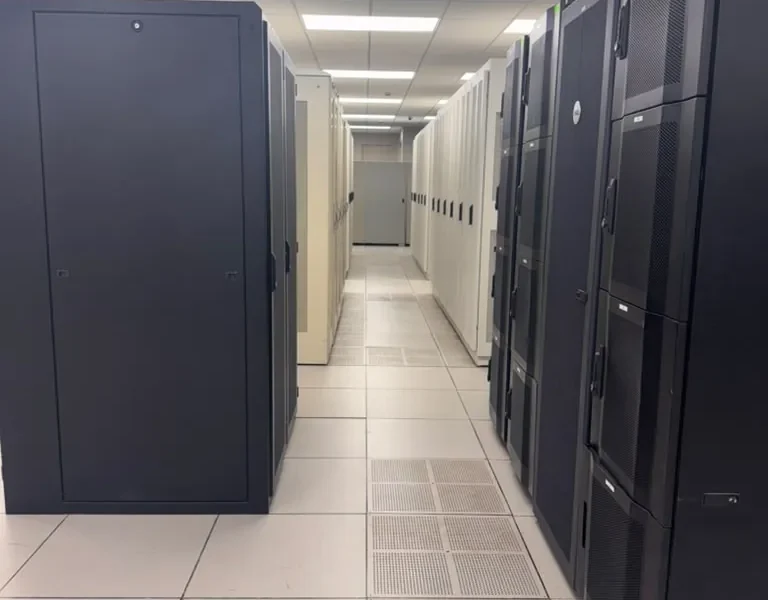
IT infrastructure is the collective term for the components that support the management and delivery of IT services. These components include hardware, software, networking, data storage, and security systems. For startups in Alpharetta, a well-planned IT infrastructure is not just a luxury but a necessity. It enables efficient operations, enhances productivity, and supports business growth.
According to a report by the Small Business Administration, 90% of startups fail within the first five years, often due to a lack of proper planning and resources. Establishing a sound IT infrastructure can mitigate these risks by providing the necessary tools for success.
2. Key Components of IT Infrastructure
When budgeting for IT infrastructure, it’s essential to consider the following key components:
2.1 Hardware
Hardware forms the backbone of your IT infrastructure. This includes servers, computers, networking devices, and storage solutions. Startups should evaluate their hardware needs based on current and projected workloads. For instance, a startup focused on software development may require high-performance servers, while a content creation startup may prioritize storage solutions.
2.2 Software
Software is equally critical. This includes operating systems, productivity tools, security software, and specialized applications relevant to your industry. Consider leveraging cloud-based solutions to minimize upfront costs and enjoy the flexibility of subscription-based pricing.
2.3 Networking
A reliable network infrastructure is vital for seamless communication and data transfer. Invest in quality routers, switches, and firewalls to ensure robust connectivity and security. Additionally, consider the benefits of a dedicated bandwidth plan, especially if your startup will engage in heavy data transfers.
2.4 Data Storage and Backup
Data is a valuable asset for any startup. Implementing effective data storage and backup solutions is crucial to safeguard your information. Cloud storage services offer scalability and cost-effectiveness, while on-premise solutions provide greater control over data.
2.5 Security
Cybersecurity is paramount in today’s digital age. Allocate a portion of your IT budget to security measures, including firewalls, antivirus software, and employee training programs to mitigate risks associated with data breaches and cyberattacks.
3. Budgeting for IT Infrastructure
Now that we’ve identified the key components, let’s explore how to effectively budget for your IT infrastructure:
3.1 Assess Your Needs
Begin by assessing your startup’s specific IT needs. Consider factors such as the size of your team, the nature of your business, and your growth projections. This analysis will help you determine the necessary hardware and software investments.
3.2 Create a Detailed Budget
Draft a detailed budget that outlines all expected IT expenses. This should include:
- Initial hardware and software purchases
- Ongoing maintenance and support costs
- Cloud service subscriptions
- Training and development expenses
- Contingency funds for unforeseen expenses
3.3 Consider Total Cost of Ownership (TCO)
When budgeting for IT infrastructure, it’s essential to consider the Total Cost of Ownership (TCO). This includes not only the initial purchase price but also ongoing maintenance, support, and operational costs. TCO provides a more comprehensive view of the long-term financial impact of your IT investments.
3.4 Evaluate Financing Options
Startups often face cash flow constraints, making it crucial to explore financing options. Consider leasing equipment, utilizing cloud services, or seeking investment to alleviate upfront costs. Additionally, investigate grants and funding opportunities available for startups in Georgia through the Georgia Department of Economic Development.
4. Cost-Saving Strategies for Startups
Budget constraints are common for startups, but there are several strategies you can employ to optimize your IT spending:
4.1 Leverage Open Source Solutions
Open source software can significantly reduce software licensing costs. Solutions like Linux, Apache, and MySQL offer powerful alternatives to commercial software. Evaluate your startup’s needs to identify suitable open source options.
4.2 Utilize Cloud Computing
Cloud computing offers flexibility and scalability, allowing startups to pay only for the resources they use. This can result in significant cost savings compared to traditional on-premise solutions. Explore cloud service providers that align with your business needs.
4.3 Outsource IT Services
Consider outsourcing certain IT functions to reduce labor costs. Managed IT service providers can offer expertise without the overhead of hiring full-time staff. This approach allows you to focus on your core business while ensuring reliable IT support.
4.4 Implement Energy-Efficient Solutions
Investing in energy-efficient hardware and solutions not only reduces costs but also aligns with sustainable business practices. Energy-efficient servers and devices can lower your electricity bills and contribute to a greener environment.
5. The Importance of Scalability
As a startup, scalability should be a key consideration in your IT infrastructure budget. Your business will likely evolve, and your IT needs will change accordingly. Plan for growth by selecting solutions that can easily scale with your business.
For example, cloud services offer the ability to increase or decrease resources based on demand. This flexibility allows startups to manage costs effectively while ensuring they have the necessary resources to support growth.
6. Future-Proofing Your IT Budget
To ensure long-term success, it’s essential to future-proof your IT budget. Here are some strategies to consider:
6.1 Stay Informed About Technology Trends
Technology is constantly evolving, and staying informed about industry trends can help you make informed decisions about your IT investments. Subscribe to industry publications and attend relevant conferences to stay ahead of the curve.
6.2 Invest in Training and Development
Your team is your most valuable asset. Investing in training and development ensures that your staff is equipped to leverage new technologies effectively. Consider providing ongoing training programs to keep your team up-to-date.
6.3 Regularly Review and Adjust Your Budget
Budgeting is not a one-time task. Regularly review your IT budget to ensure it aligns with your startup’s goals and objectives. Adjust your budget as necessary to accommodate changing circumstances and emerging technologies.
7. Conclusion
Budgeting for IT infrastructure is a critical aspect of launching and sustaining a successful startup in Alpharetta. By understanding the key components of IT infrastructure and implementing effective budgeting strategies, you can position your startup for growth and success. Remember to assess your needs, create a detailed budget, and explore cost-saving strategies to optimize your IT investments.
At World Park, we are committed to supporting startups in Alpharetta with modern coworking spaces, private offices, and advanced technology infrastructure. Reach out to us to learn more about how we can empower your startup journey.
8. FAQ
What is IT infrastructure?
IT infrastructure refers to the hardware, software, networking, and data storage systems that support the management and delivery of IT services.
How do I budget for IT infrastructure?
To budget for IT infrastructure, assess your startup’s needs, create a detailed budget outlining all expected expenses, and consider the Total Cost of Ownership (TCO).
What are the key components of IT infrastructure?
Key components include hardware, software, networking, data storage, and security systems.
What are some cost-saving strategies for startups?
Consider leveraging open source solutions, utilizing cloud computing, outsourcing IT services, and implementing energy-efficient solutions.
Why is scalability important for startups?
Scalability ensures that your IT infrastructure can grow with your business, allowing you to manage costs effectively while meeting increasing demands.
How can I future-proof my IT budget?
Stay informed about technology trends, invest in training and development, and regularly review and adjust your budget to accommodate changing circumstances.
What is Total Cost of Ownership (TCO)?
TCO refers to the total cost of acquiring, operating, and maintaining IT assets over their lifecycle, including initial purchase price and ongoing expenses.
How can I assess my IT needs?
Assess your IT needs by evaluating your team size, business nature, growth projections, and specific technology requirements.
- Why Alpharetta Businesses Are Moving Away From Big Tech Cloud Monopolies
- Building a Redundant Network for Your Alpharetta Business on Any Budget
- Why Edge Computing Is the Next Big IT Shift for Alpharetta Businesses
- How to Choose Between AWS, Azure, and a Local Data Center in Georgia
- How Startups Can Leverage Enterprise-Grade Infrastructure Without Enterprise Budgets
- On-site data center colocation and disaster recovery
