

How Alpharetta Coaches and Consultants Use Podcasts to Replace Cold Outreach
In today’s rapidly evolving business landscape, traditional methods of outreach are being transformed. Coaches and consultants in Alpharetta, GA, are leveraging a powerful tool that not only engages their target audience but also builds lasting relationships: podcasts. This article will explore how these professionals are effectively using podcasts to replace cold outreach strategies, create meaningful connections, and establish themselves as thought leaders in their respective fields.
Understanding the Shift to Podcasts
As the digital age progresses, the way businesses connect with their audience is shifting. Traditional outreach methods, such as cold calling and email blasts, often result in low engagement rates and can be perceived as intrusive. According to a study by Statista, around 80% of podcast listeners can recall a brand mentioned in a podcast, highlighting the effectiveness of this medium.
Podcasts provide a unique opportunity for coaches and consultants to showcase their expertise while delivering value to their audience. Instead of pushing their services onto potential clients, they can engage them in a conversation, share insights, and establish trust. In Alpharetta, where the startup ecosystem is thriving, this approach is particularly beneficial.
Why Podcasts Are Effective for Coaches and Consultants
Podcasts offer several advantages that make them an ideal medium for coaches and consultants:
- Building Authority: By sharing knowledge and insights, coaches and consultants can position themselves as industry experts. This authority leads to increased trust from potential clients.
- Creating Relationships: Podcasts allow for a more personal connection with the audience. Listening to a host’s voice fosters a sense of familiarity, making it easier for listeners to relate.
- Reaching a Targeted Audience: Podcasts can be tailored to specific niches, ensuring that the content reaches the right audience. This targeted approach is more effective than traditional cold outreach.
- Flexibility in Content: Coaches and consultants can create episodes that address specific pain points, answer common questions, or offer insights into industry trends.
- Long-Lasting Content: Unlike a cold call or email, podcast episodes can be consumed at any time, allowing listeners to engage with the content when it’s convenient for them.
The Podcast Creation Process
Creating a successful podcast involves several steps:
1. Define Your Niche
Identify your target audience and the topics that resonate with them. This will help you create content that is both relevant and valuable.
2. Develop a Content Plan
Plan your episodes in advance, outlining the main topics, potential guests, and key takeaways. This helps maintain consistency and keeps your audience engaged.
3. Choose the Right Equipment
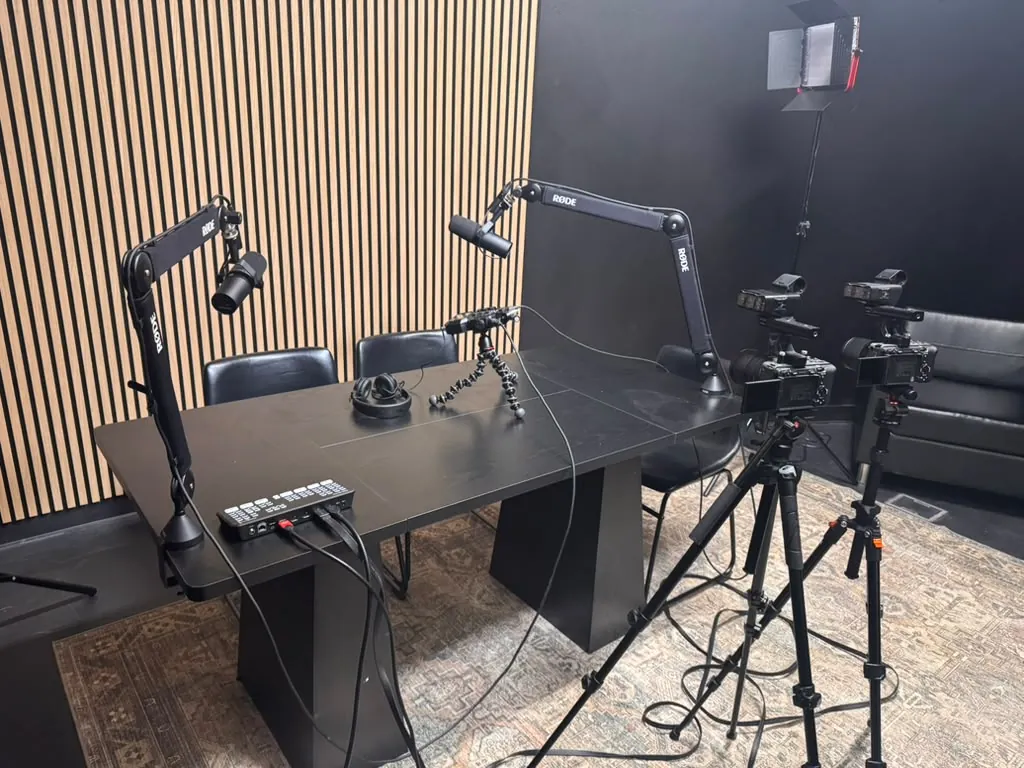
Invest in quality recording equipment, including a good microphone and audio editing software. High-quality audio is crucial for retaining listeners.
4. Record and Edit Your Episodes
Record your episodes in a quiet environment, ensuring clear audio. Edit the recordings to remove any mistakes or unnecessary content, enhancing the listening experience.
5. Publish and Promote
Choose a podcast hosting platform and publish your episodes. Promote them on social media, your website, and through email marketing to reach your audience.
6. Engage with Your Audience
Encourage listener feedback through social media or email. Respond to comments and questions to foster community engagement.
Strategies for Successful Podcasting
To maximize the impact of your podcast, consider the following strategies:
1. Leverage Guest Appearances
Inviting industry experts or successful clients to your podcast can provide fresh insights and attract their followers to your show.
2. Create Compelling Content
Focus on storytelling and relatable anecdotes to keep your audience engaged. Use case studies or real-life examples to illustrate your points.
3. Optimize for SEO
Include relevant keywords in your episode titles and descriptions to improve discoverability. Consider creating show notes with links to related content on your website, such as your coworking spaces and private office spaces.
4. Utilize Social Media
Promote each episode on your social media channels. Create engaging posts that encourage sharing and discussion among your audience.
5. Measure and Adjust
Regularly assess your podcast’s performance using analytics tools. Understand which episodes resonate most with your audience and adjust your content strategy accordingly.
Measuring Success in Podcasting
To determine the effectiveness of your podcast, consider the following metrics:
- Download Numbers: Track how many times your episodes are downloaded to gauge popularity.
- Listener Retention: Monitor how long listeners stay engaged with your episodes. High retention rates indicate valuable content.
- Audience Growth: Evaluate the growth of your listener base over time, which can indicate the effectiveness of your promotional efforts.
- Engagement: Measure interactions on social media, such as comments and shares, to assess audience engagement.
Case Studies of Successful Podcasts in Alpharetta
Here are examples of Alpharetta-based coaches and consultants who have successfully transitioned from cold outreach to podcasting:
1. The Coaching Connection
A local coaching firm started a podcast series focusing on leadership development. By featuring guest experts and discussing real-world challenges, they have attracted a dedicated audience. Their podcast episodes regularly receive over 1,000 downloads within the first week of release.
2. Marketing Mastery Podcast
This podcast, hosted by a digital marketing consultant, dives deep into marketing strategies and trends. By sharing actionable tips and interviewing industry leaders, the podcast has grown its listener base to over 5,000 subscribers within a year.
3. The Alpha Podcast
Focusing on entrepreneurship and innovation, The Alpha Podcast features interviews with local business owners and startup founders. This podcast has not only engaged listeners but has also led to numerous business collaborations and partnerships.
FAQ
What is the primary benefit of using podcasts for outreach?
Podcasts allow coaches and consultants to build authority and trust, fostering relationships with potential clients instead of relying on traditional cold outreach methods.
How can I start my own podcast?
To start a podcast, define your niche, develop a content plan, choose the right equipment, record and edit your episodes, and promote them across various channels.
What equipment do I need to create a podcast?
Essential equipment includes a quality microphone, headphones, and audio editing software. Investing in good equipment enhances audio quality, which is crucial for retaining listeners.
How can I measure the success of my podcast?
Success can be measured through download numbers, listener retention rates, audience growth, and engagement metrics on social media.
Is podcasting expensive?
While there are costs associated with equipment and hosting, many podcasters start on a budget. It’s possible to create quality content without significant financial investment.
How long should my podcast episodes be?
Episode length can vary, but most successful podcasts range from 20 to 60 minutes. The key is to keep content engaging and valuable to your audience.
Can I monetize my podcast?
Yes, podcasts can be monetized through sponsorships, affiliate marketing, and listener donations. Building a large and engaged audience is essential for attracting sponsors.
What topics should I cover in my podcast?
Focus on topics that resonate with your target audience. Consider addressing common challenges, industry trends, or providing actionable tips related to your expertise.
Do I need to have guests on my podcast?
While having guests can provide diverse perspectives and attract new listeners, solo episodes can also be effective if the content is engaging and valuable.
How can I promote my podcast effectively?
Promote your podcast through social media, email marketing, and collaborations with other podcasters. Engaging with your audience and encouraging word-of-mouth is also crucial.
Conclusion
In conclusion, Alpharetta coaches and consultants are successfully using podcasts to replace traditional cold outreach methods. By engaging their audience, building authority, and fostering relationships, they are positioning themselves as leaders in their industries. If you’re considering starting a podcast, remember to define your niche, create valuable content, and actively engage with your audience. With the right approach, your podcast can become a powerful tool for outreach and business growth.